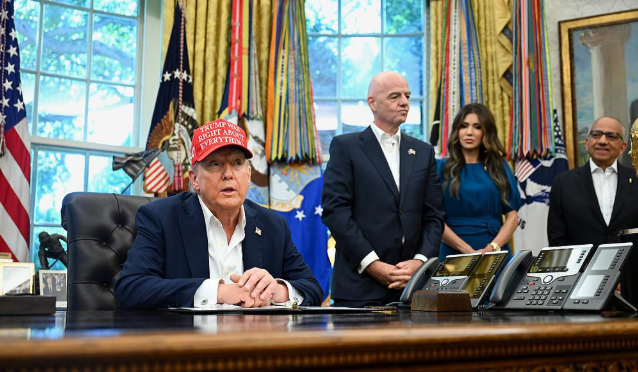
As the Russia-Ukraine war escalates, U.S. President Donald Trump has once again introduced his “two-week countdown.” He claimed that within two weeks, it will become clear whether peace talks can move forward. By then, he will decide whether to impose “massive sanctions” on Russia or to step back entirely, calling it “their war.” Yet, given the current battlefield situation, Trump’s countdown looks more like political pressure than a realistic peace timeline.
Escalating Battles, Stalled Talks
In recent days, fighting has only grown fiercer. On August 21, Russian forces struck a U.S.-owned electronics plant in western Ukraine. The next day, Kyiv retaliated by hitting Russian oil pipelines. Trump’s idea of “fight while negotiating” now seems to have turned into “the harder they fight, the less chance of talks.”
Trump has been trying to arrange a summit between Putin and Zelensky, but key issues remain unresolved: Ukraine’s security guarantees, NATO membership, and territorial compromises. Russia accused Zelensky of rejecting all of Trump’s proposals, while Kyiv insists Moscow is the one avoiding talks.
Putin’s Four Conditions, Kyiv Resists
At their recent meeting in Alaska, Putin outlined four conditions: full withdrawal of Ukrainian troops from Donbas; freezing the current frontlines in Kherson and Zaporizhzhia; Ukraine not joining NATO; and no Western peacekeeping troops on Ukrainian soil. Compared with last year’s demand that Kyiv abandon four regions entirely, this is a concession, but Ukraine still considers it “capitulation.”
However, Zelensky has shown signs of softening. In his meeting with Trump, he did not flatly reject the idea of “territorial exchange,” even hinting at “proportional swaps” as a possibility. Advisors also suggested freezing the war along the current frontlines could be an option—though Ukraine insists it will not legally recognize Russia’s control.
Security Guarantees Divide U.S. and Europe
Beyond territory, Ukraine’s biggest demand is long-term security guarantees. At a recent summit, the phrase “security guarantees” was mentioned nearly 20 times. Trump said the U.S. would not send ground troops, though it might provide air support for a “volunteer coalition.” He again ruled out NATO membership for Ukraine.
But Europe faces its own limits. Apart from the UK and France, most nations are reluctant to send troops. Macron urged European intervention, but Italian PM Meloni retorted: “Russia has 1.3 million soldiers. How many can we send? And what happens when one of ours is killed?” Russia has repeatedly warned that NATO deployment in Ukraine could trigger a wider war, even “World War III.”
Trump’s Countdown: Pressure or Empty Threat?
On August 22, Trump reiterated that he will decide within two weeks whether to punish Russia or walk away. Analysts believe this is aimed as much at Ukraine as at Moscow. A former Trump administration official said: “Trump thinks Russia holds the upper hand, so Kyiv must concede something. And since Ukraine is dependent on U.S. aid, he has leverage to force them to accept a deal.”
In reality, time seems to favor Russia. With greater manpower and deeper resources, Moscow can sustain the war longer. The Daily Telegraph noted cracks in Trump’s peace plan, suggesting it has only bought Russia more time while leaving Ukraine in an increasingly perilous position.