Political tensions in the U.S. have escalated again. Chicago Mayor Brandon Johnson signed an executive order on the 31st, declaring that the city will resist any immigration crackdowns or military-style deployments by President Donald Trump’s administration.
Johnson issued a strong statement: “We do not need, nor do we welcome, unconstitutional and illegal military occupation in our city.” He emphasized that Chicago will not allow federal troops to interfere with local governance.
Key Points of the Order
The order explicitly demands that Trump and federal agents “cease any attempts to deploy U.S. armed forces in Chicago.” It also reaffirms several existing city policies:
- Police officers must wear body cameras and identification badges;
- Officers are prohibited from wearing face masks during enforcement to ensure transparency.
This move was a direct response to Trump’s threat of sending the National Guard. Illinois Governor J.B. Pritzker voiced support, calling such federal intervention an “abuse of power.”
White House Response
The White House quickly hit back. Spokesperson Abigail Jackson dismissed Johnson’s order as “pure political theater” and accused Chicago officials of politicizing the issue of crime and public safety.
Trump’s Position
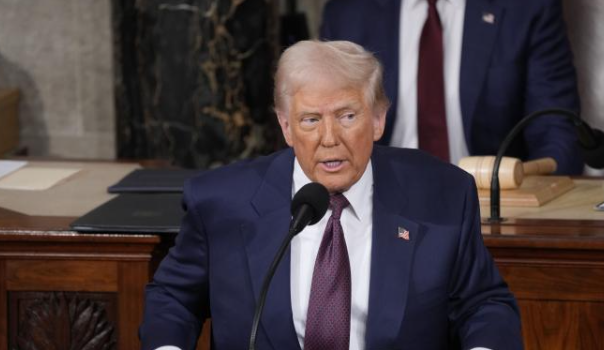
Trump has already deployed about 2,000 soldiers to Washington, D.C., and warned that similar measures could be extended to Chicago. He described the city as being in “total chaos” and argued that its crime rate has reached the level of a national emergency. Federal authorities are also reportedly preparing to send additional immigration enforcement officers to the city.
Analysis
Observers see Chicago’s move as more than a local policy dispute—it represents the growing clash between Democratic-led city governments and the Republican president. Analysts believe the standoff underscores deep national divisions over crime and immigration policy, and may intensify as the presidential election approaches.