Night Economy Powers a Dining Boom – Consumption Hits 60%
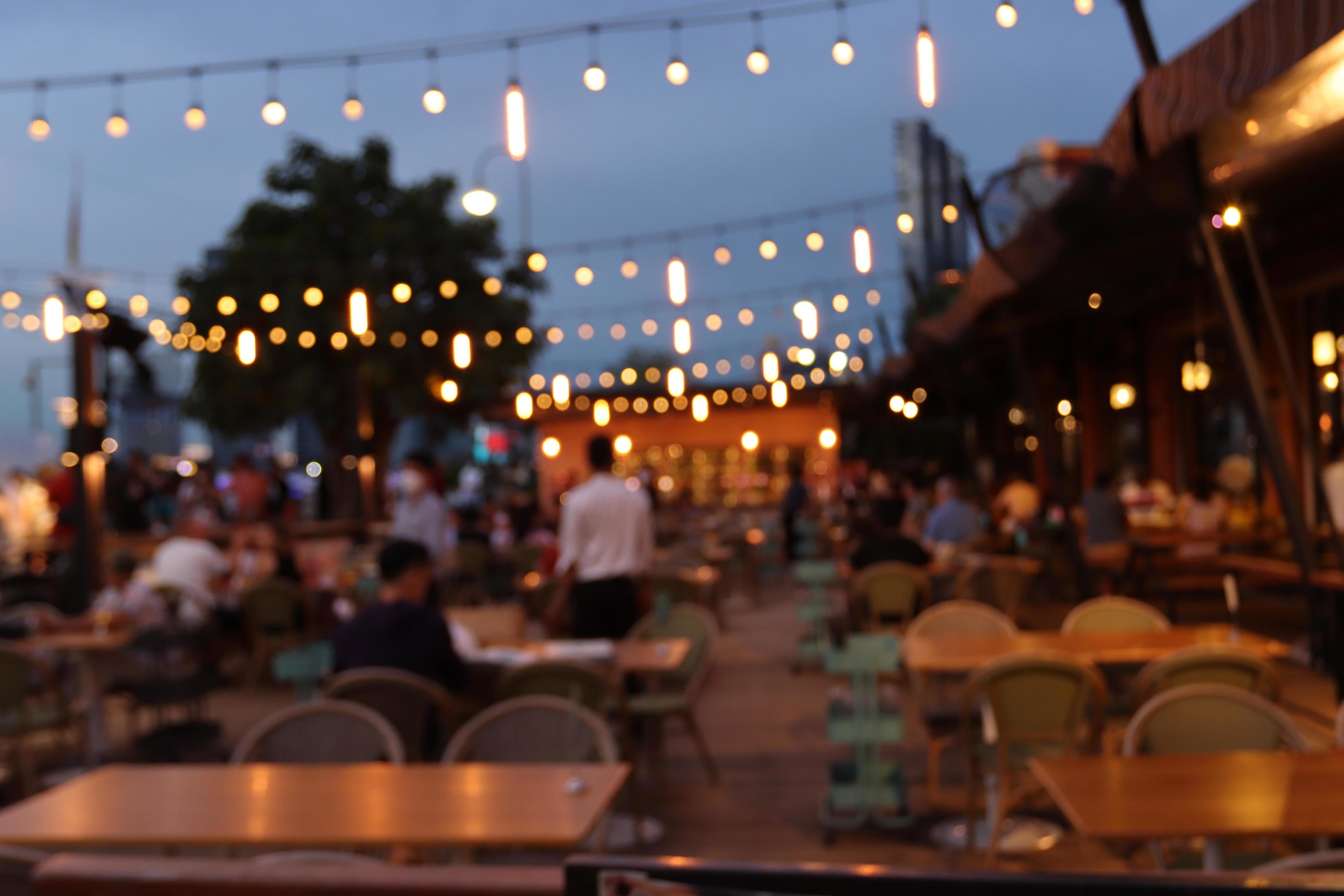
From June through September, the heat lingered, and with it, China’s night economy burned brighter than ever. When other cities begin to wind down, Changsha is just waking up. At 10 p.m., Jiefang West Road buzzes with life—restaurants lined with waiting customers, the air thick with the fiery aromas of stir-fried beef and chopped chili fish head. Many restaurateurs admit that this summer, nighttime foot traffic far outshines daytime. The numbers back it up: in Changsha, nighttime spending now accounts for 60% of daily consumption. This growth didn’t happen by chance—local policies such as the Implementation Opinions on Promoting Night Economy Development gave the city a head start in shaping a thriving night scene. Shanghai tells a similar story, but with its own flavor of romance. At the Jing’an Joy City rooftop, crowds fill food stalls beneath the giant Ferris wheel, while the aroma of barbecue drifts across terraces packed with diners. Since upgrading, one restaurant there now turns over its outdoor tables two to three times per night, driving sales up more than 40% year-on-year, with July alone hitting a record ¥3 million. Even giants like Haidilao are innovating. Its “bubble houses”—transparent pods with skyline views—are booked solid nightly, while its summer night dining festival saw table counts jump by more than 10% compared with spring. In Chengdu, hotpot culture thrives well past midnight, proving once again: the hotter the weather, the spicier the appetite. Across China, from top-tier cities to smaller markets, the night economy has become a powerful engine of recovery. In May 2025, national catering revenues reached ¥457.8 billion, a 5.9% increase year-on-year. Ministry of Commerce surveys reveal that 60% of all consumption happens at night, while platforms like Alipay and Meituan confirm steady growth in post-6 p.m. spending. Nighttime consumption is no longer a trend—it’s a cornerstone of urban vitality.
The true drivers of this boom? Young people, whose habits reshape both dining and delivery. After late-night gaming, a young professional in Beijing rewards himself with a food delivery. In Qingdao, barbecue vendors see orders surge on weekends, with some receiving big orders well past midnight. Data from Meituan shows that nearly half of all late-night food orders come from those aged 26–35, while surveys reveal that young consumers seek more than just food—they want social value, experiences, and emotional connection. Popular night districts now blend food with entertainment: live music, creative markets, esports zones, and even camping-style dining. For Gen Z and Millennials, night spending is about identity and lifestyle as much as sustenance.
To thrive in this new landscape, restaurants are going beyond menus. They’re building experiences. Haidilao’s night-theme outlets switch to party mode after 10 p.m., complete with DJs, glow sticks, and dance-floor energy—boosting traffic by 15%. At Coucou Hotpot, customers can eat, sip tea, and sing karaoke in one seamless experience. Its upgraded format drew over 1,000 visitors on opening day and saw tables turn over five times. Haidilao has also leaned into fandom culture, collaborating with Bilibili to launch immersive “second-dimension night markets” filled with themed décor, merchandise exchanges, and cosplay attractions. These events have driven late-night turnover rates up nearly 30% in some outlets, proving that fandom-driven engagement is now a serious business model. In short, today’s diners don’t just want food—they want atmosphere, entertainment, and community.
This shift signals a broader transformation: the rise of the “Catering Plus” model. No longer limited to food, restaurants are layering in social, cultural, and emotional experiences. Competition has expanded from flavor and price to scenes, ecosystems, and mindshare. Haidilao’s multi-layered approach—late-night parties, subculture tie-ins, and themed events—has built strong brand differentiation while capturing diverse consumer groups. And it’s not limited to late nights. From 24-hour dumpling pubs to hybrid dining-entertainment venues, “Catering Plus” is spreading across all hours and formats, accelerating the industry’s shift toward scenic, ecosystem-driven, and all-day growth. The night economy’s wild boom is not a passing fad—it’s the opening act of a new era in China’s dining industry.