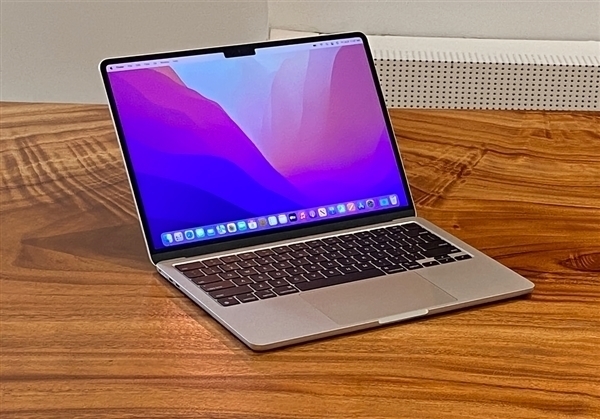
September 18 – Fast Technology News – After nearly two decades of resistance, Apple is finally preparing to embrace the touchscreen MacBook. According to renowned analyst Ming-Chi Kuo, the company’s first touchscreen-enabled Mac will debut with the OLED MacBook Pro, slated to enter mass production by the end of 2026.
The upcoming device will feature on-cell touch technology, the same advanced screen technology used in Samsung’s Galaxy smartphones, promising a seamless and responsive user experience.
A Shift from Jobs’ Vision
This bold move marks a striking departure from the philosophy of Apple’s legendary co-founder, Steve Jobs. Back in 2010, Jobs firmly rejected the idea of a touchscreen MacBook, famously declaring it “ergonomically terrible.” He argued that extensive internal testing had proven that vertical touch surfaces were impractical, as users’ arms would quickly grow fatigued.
Yet, Apple’s current direction suggests a reevaluation of user habits, particularly as iPad owners increasingly rely on touch input for productivity.
More Affordable MacBooks in the Works
Kuo also revealed Apple’s plans to launch a budget-friendly MacBook powered by an iPhone processor by the end of 2025. While this entry-level model will not include touchscreen support, its second-generation successor—expected in 2027—may integrate touch functionality, signaling Apple’s long-term vision for touch-enabled Mac devices across different price ranges.
Not the First Whisper of Touchscreen Macs
This isn’t the first time industry insiders have teased such a development. As early as 2023, Bloomberg’s Mark Gurman reported that Apple engineers were actively working on touchscreen Mac prototypes, laying the groundwork for today’s confirmation.
Looking Ahead
With the potential arrival of the OLED Touchscreen MacBook Pro, Apple is set to redefine what a Mac can be. If successful, the device will not only challenge long-held assumptions about laptop ergonomics but also reshape how users interact with macOS in the years ahead.
After 19 years of saying “no,” it looks like Apple is finally ready to say “touch me.”