On the eve of Onam, Kerala’s most cherished festival, tragedy struck a quiet village in Malappuram. Forty-five-year-old Sobhana, a hardworking Dalit woman who bottled fruit juices for a living, was rushed to hospital in the back of an ambulance, trembling and slipping into unconsciousness. Just days before, she had only complained of dizziness and high blood pressure. But in a matter of hours, her condition worsened dramatically—fever, violent chills, and then, devastatingly, death on the very day of celebration.
The culprit was as shocking as it was rare: Naegleria fowleri, the infamous “brain-eating amoeba.” This single-celled organism lurks in warm freshwater and infects through the nose, destroying brain tissue with ruthless speed. So rare is the disease that most doctors never see a single case in their lifetime. “We were powerless to stop it. We only learned what it was after Sobhana passed away,” says her cousin, social worker Ajitha Kathiradath.
A Growing Threat in Kerala
What was once almost unheard of has become an alarming reality in Kerala. This year alone, nearly 70 people have been diagnosed and 19 have died from this deadly amoeba. Victims range from infants to the elderly. Globally, only 488 cases have been documented since 1962—with a 95% fatality rate—but Kerala now finds itself at the forefront of this health battle.
Yet there’s a glimmer of hope. Thanks to state-of-the-art labs and aggressive detection, Kerala is saving more lives. Fatality rates have dropped to around 24% this year, a dramatic improvement compared to the near-certainty of death in earlier cases. “Cases are rising, but deaths are falling. Early diagnosis and targeted treatment are making the difference,” explains Dr Aravind Reghukumar, head of infectious diseases in Thiruvananthapuram.
Why Kerala Is at Risk
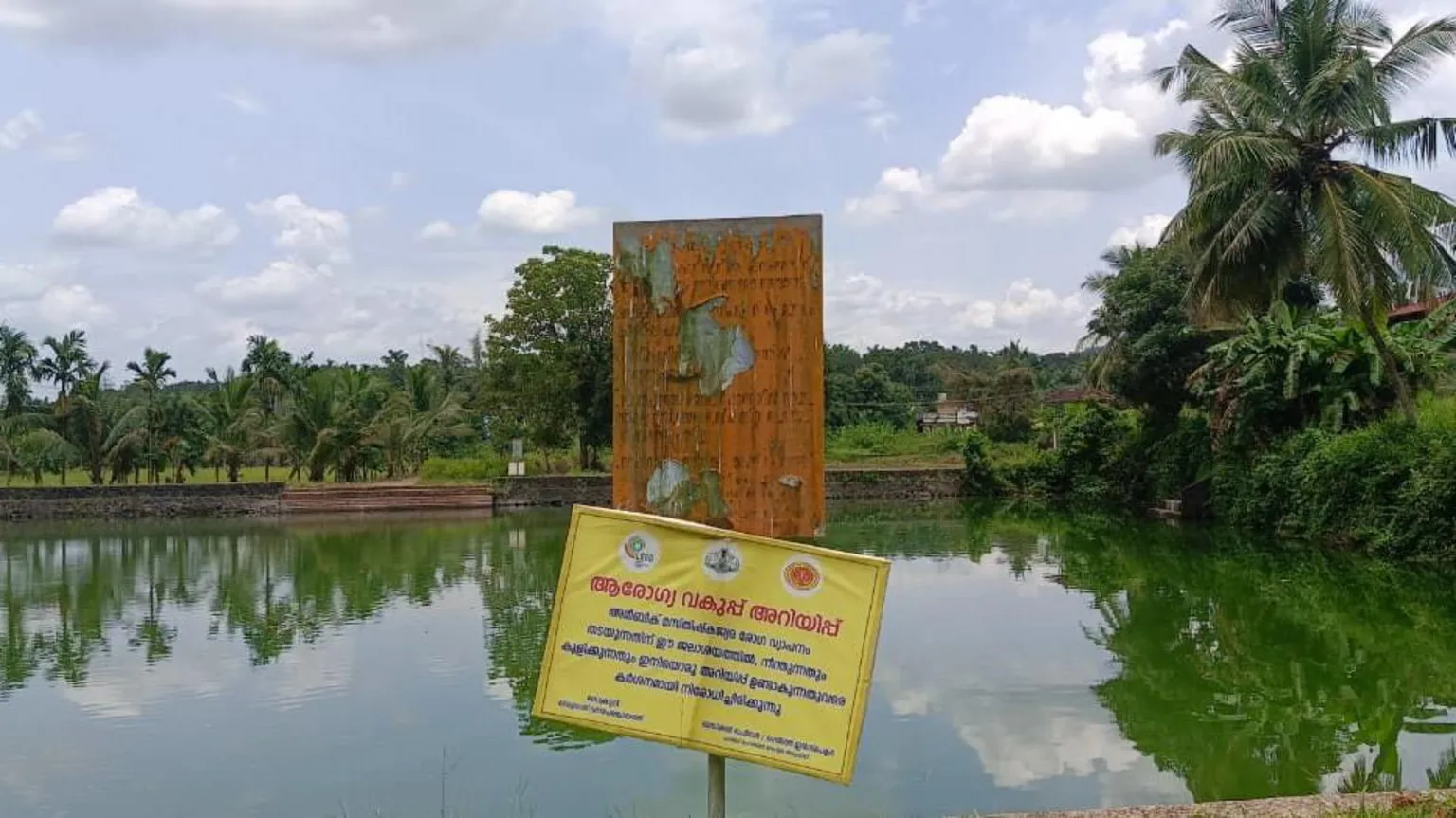
With 5.5 million wells and 55,000 ponds, Kerala relies heavily on natural water sources—many of them polluted. This creates fertile ground for the amoeba. Last year, a cluster of cases was linked to youths inhaling boiled cannabis mixed with pond water, highlighting how easily contaminated water can spread the infection.
Public health experts warn that everyday practices—from bathing in ponds to religious nasal rinsing—carry risks if untreated water is used. To combat this, the government has launched massive campaigns, chlorinating millions of wells and urging households to clean tanks, cover pools, and use safe water for rituals.
Awareness Over Fear
Authorities face a delicate task: educating the public without sowing panic. Warnings now stress practical steps—nose plugs while swimming, avoiding stagnant water, and keeping children away from unsafe water play. Yet enforcement remains uneven. “This is a difficult problem,” says Prof Dennis Kyle of the University of Georgia. “The amoeba can be present in any untreated water source. But in controlled environments like pools, frequent monitoring and chlorination greatly reduce the risks.”
Climate Change Adds Fuel
Experts caution that climate change is making things worse. Rising temperatures and prolonged summers create ideal breeding conditions for the amoeba, while pollution feeds the bacteria it thrives on. “Even a 1°C rise can trigger its spread,” warns epidemiologist Prof Anish TS.
A Global Wake-Up Call
While Kerala’s improved detection and survival rates are remarkable, the lessons extend far beyond its borders. As climate change reshapes ecosystems, even the rarest pathogens may become more common. Treatments remain imperfect, survival is never guaranteed, and the fight is ongoing.
Kerala’s story is not just one of tragedy—it is also one of resilience, innovation, and a determination to stay one step ahead of a deadly foe. The world is watching, and the message is clear: no disease, however rare, can be ignored in an age of changing climates and interconnected risks.