The United States has stunned the global tech world with a dramatic hike in H-1B visa fees — and now many are asking if Canada will seize the chance to attract top international talent.
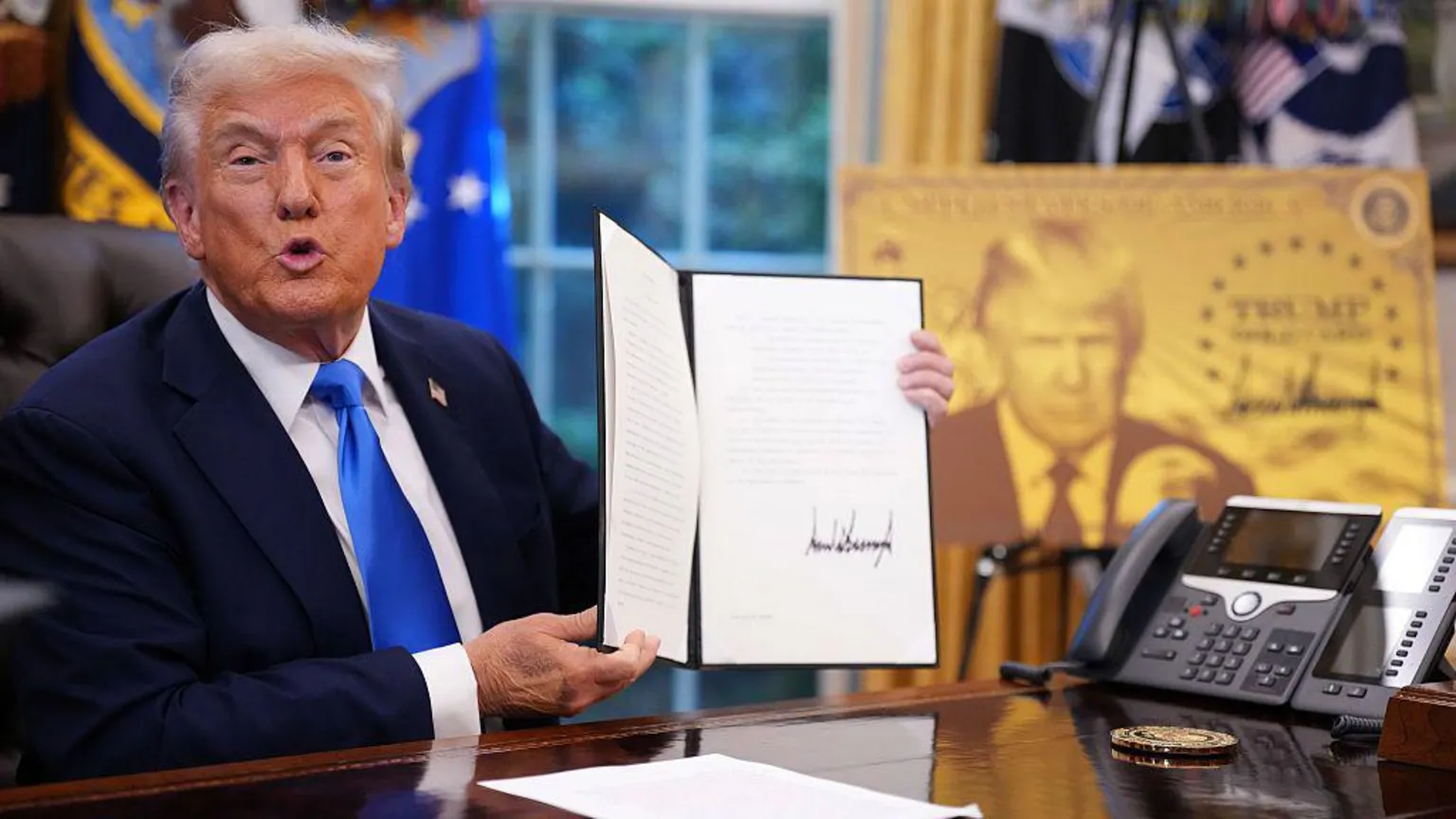
Last week, President Donald Trump announced a $100,000 fee for new H-1B applications, a move that blindsided Silicon Valley companies that have long relied on the program to hire skilled foreign workers. While current H-1B holders remain unaffected, the new policy, which took effect Sunday, could drastically reduce opportunities for highly educated foreigners — especially recent international graduates from U.S. universities — who had hoped to stay and build careers in America.
For Canada, the moment couldn’t be clearer. Immigration lawyers, economists, and business groups are urging Ottawa to act swiftly and position the country as a welcoming alternative.
“This is a wonderful opportunity for the Canadian government to take advantage of,” said Toronto-based immigration lawyer Evan Green. Build Canada, a non-profit focused on boosting productivity, echoed the call in a memo released Monday, urging Canada “to move fast” as “hundreds of thousands of highly skilled and highly paid H-1B professionals are now seeking a new home.”
Prime Minister Mark Carney appears to be paying attention. Speaking in New York City this week, he touted Canada’s homegrown research and AI talent — before quipping that “unfortunately, most of them go to the U.S.” Noting the visa shake-up, he added: “Maybe we can hang on to one or two of them.”
Canada’s Strengths — and Hurdles
Canada has long been seen as a natural landing spot for global talent, with its world-class universities, strong research hubs, shared time zones with the U.S., and high quality of life. History backs this up: A University of Pennsylvania study found that after a sharp reduction in U.S. H-1B visas in 2004, multinational firms simply shifted the same workers to Canada, where immigration rules were more flexible.
The trend continues today. In 2023, Ottawa launched a special program allowing U.S.-based H-1B holders to apply for Canadian work permits. The program hit its 10,000-application cap within just 24 hours. While not all relocated north, Canadian lawyers confirm that many skilled workers who lost out in the U.S. have already moved.
Still, experts caution that Canada’s immigration system has its own obstacles. Calgary-based lawyer Mark Holthe noted that many newcomers struggle to secure permanent residency, leaving their future uncertain. Economist Mikal Skuterud of the University of Waterloo also warned against overestimating Canada’s readiness, pointing to recent immigration cutbacks and political battles over temporary foreign worker programs.
“Canada does not look much more predictable than the U.S.,” Skuterud said. “And that’s a problem if you’re trying to attract talent.” Salaries also tend to be lower in Canada, making the competition for top workers even tougher.
A Test of Political Will
Despite the challenges, many believe Canada must seize this moment. Evidence shows that the H-1B program has fueled U.S. economic growth and innovation, particularly in the tech sector. A more ambitious Canadian strategy, experts argue, could help the country tap into that same pool of global talent.
While Canada’s Immigration, Refugees and Citizenship department declined to comment directly on the U.S. policy shift, spokesperson Matthew Krupovich emphasized existing pathways like Express Entry and the Global Skills Strategy, and added that the government continues “to identify new solutions to attract the world’s brightest and best.”
The question now is whether Canada will act quickly enough — before those highly skilled workers look elsewhere.