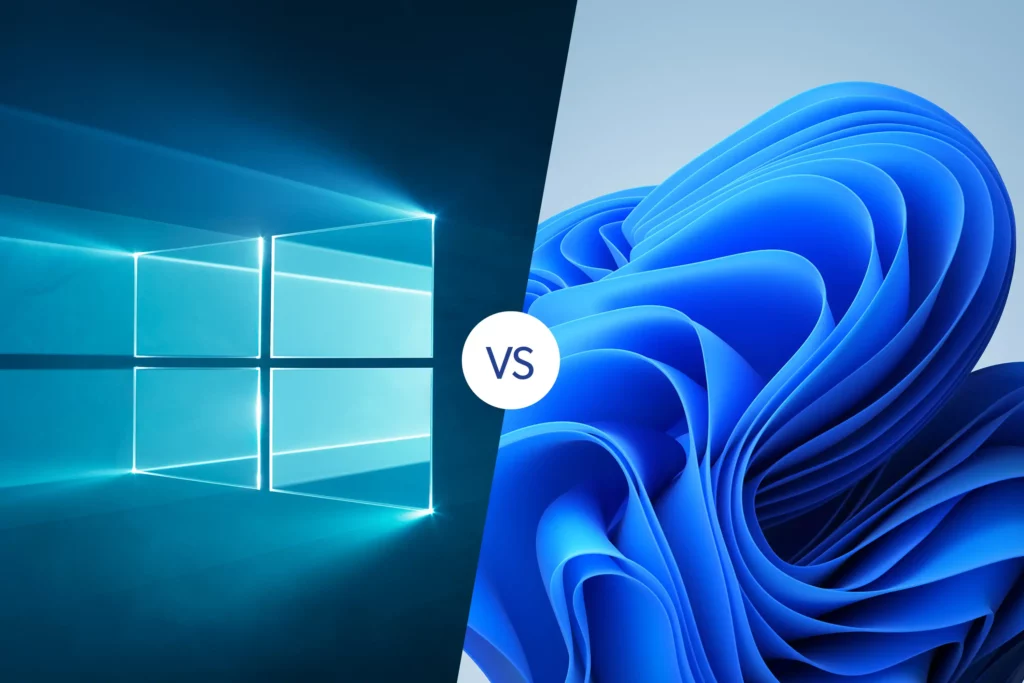
September 28 — After nearly a decade, Microsoft is set to pull the plug on Windows 10. Starting October 14, the operating system will no longer receive official security updates, sparking concern among millions of users worldwide. Many now fear they may have to buy new computers just to stay safe online.
Released in 2015, Windows 10 quickly became one of the most popular systems ever. Now, Microsoft is urging users to move to Windows 11, launched in 2021. For those whose hardware isn’t compatible, the company is offering a $30 one-year Extended Security Update program—a move that has been heavily criticized by consumer groups.
Consumer Reports in the U.S. noted that even relatively new Windows 10 machines are being locked out of Windows 11, leaving users with the unfair choice of paying extra for security or facing higher risks. In France, advocacy group HOP is demanding Microsoft extend free updates until 2030. Meanwhile, Germany’s Consumer Protection Federation warned that Microsoft’s approach restricts consumers from making free, informed choices.
The scale of the issue is staggering: as of August, 650 million people still run Windows 10, and up to 400 million devices may be incompatible with Windows 11.
Experts caution that beyond increased exposure to cyberattacks, Windows 10 users could soon find themselves unable to install new third-party apps, as software developers rely on ongoing OS support. Even the latest antivirus software will only provide partial protection.
So, what’s the alternative for users unwilling to buy new hardware? Experts suggest Linux. As an open-source OS already powering servers, embedded devices, and even forming the backbone of Android, Linux offers a practical, secure, and cost-free option—so long as your applications and tools are compatible.