The AI world isn’t giving anyone a break. Updates are dropping so fast, it feels like a nonstop sprint. Just yesterday, DeepSeek launched its V3.2-Exp model, followed hours later by Anthropic’s powerful Claude 4.5. Now, rumors suggest the industry’s heavyweight—OpenAI—is preparing to drop a bombshell of its own: Sora 2.
But it’s not just another model upgrade. According to WIRED, OpenAI is reportedly building something far bolder: a brand-new AI-powered short video app that looks like TikTok—but with one radical twist. On this platform, every single piece of content will be generated by AI.
Enter Sora 2: The “AI TikTok”
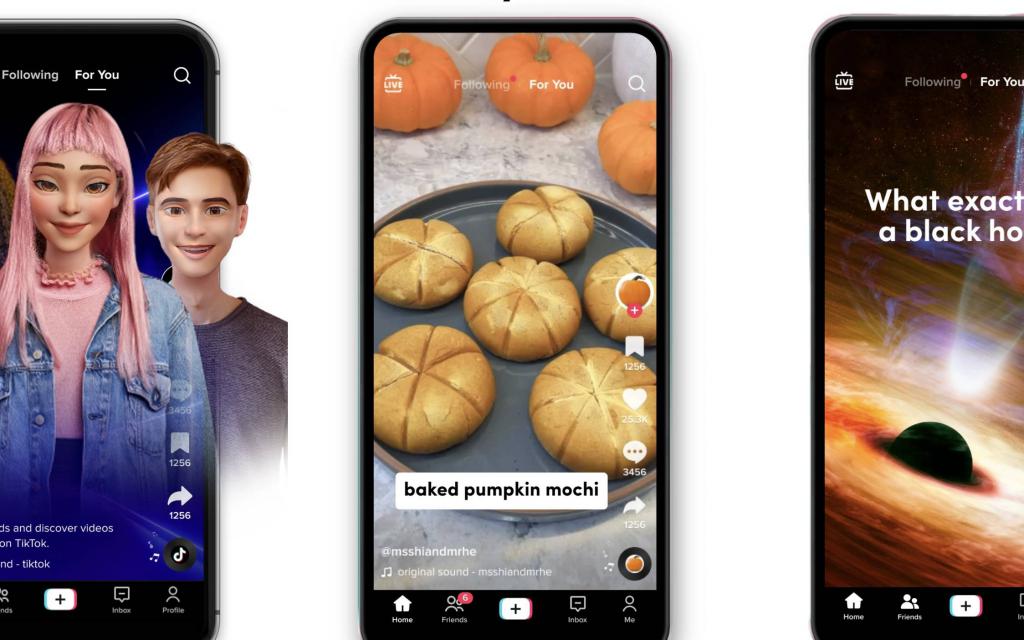
OpenAI has been teasing mysterious video snippets on X, fueling speculation about Sora’s next iteration. If leaks are true, the new app—internally dubbed Sora 2—mimics the familiar short-video interface we know: vertical feeds, endless swipes, algorithmic recommendations.
The difference? No real-world uploads allowed. Users won’t be able to post from their photo albums or cameras. Instead, everything comes straight from OpenAI’s next-generation video model. For now, clips are capped at 10 seconds, 1080p resolution, but the experience is designed to mirror TikTok’s addictive engagement.
Like any social platform, you’ll see likes, comments, and shares—but OpenAI is adding a signature twist: a “Remix” button, letting users reimagine or transform each other’s AI videos.
Social Meets Digital Doubles
Here’s where it gets even wilder. Sora 2 won’t just generate fantasy landscapes or imaginary characters—it will let you verify your likeness and use your own digital double in videos.
Imagine starring in a short AI clip of yourself at a theme park you’ve never visited, riding a rollercoaster alongside a friend who tags you in their creation. To protect privacy, the app includes alerts: you’ll be notified whenever your likeness is used—even if the video never gets published.
Internally, the app was rolled out at OpenAI last week. Feedback? Overwhelmingly positive. Employees reportedly used it so obsessively that some managers joked productivity was starting to suffer.
Why Is OpenAI Going Social?
The strategy feels familiar. Just as ChatGPT brought AI text into the mainstream, OpenAI now wants to reinvent how we interact with AI video. By controlling not just the model but the platform itself, OpenAI positions Sora 2 as a potential gateway into the next generation of internet experiences.
But the competition is already heating up:
- Meta recently launched Vibes, an AI video feature built into its social ecosystem, allowing instant remixing and sharing across Instagram and Facebook.
- Google plans to integrate its Veo 3 model into YouTube, leveraging the world’s largest video library.
OpenAI’s advantage? A clean slate—a platform where AI isn’t a feature, but the foundation.
More Than Just Videos
This push isn’t happening in isolation. On the same day, OpenAI unveiled Instant Checkout inside ChatGPT, a shopping feature powered by a new open-source “Agentic Commerce Protocol” built with Stripe. Now, you can ask ChatGPT for gift ideas and buy directly in-chat without leaving the app.
Taken together—AI video, e-commerce, social interactivity, productivity tools—it’s clear that OpenAI is chasing more than individual wins. Its vision is to build a unified AI-powered internet hub, an all-in-one platform where entertainment, shopping, and creation converge.
In other words, OpenAI’s “Open” seems to mean one thing: We want it all.