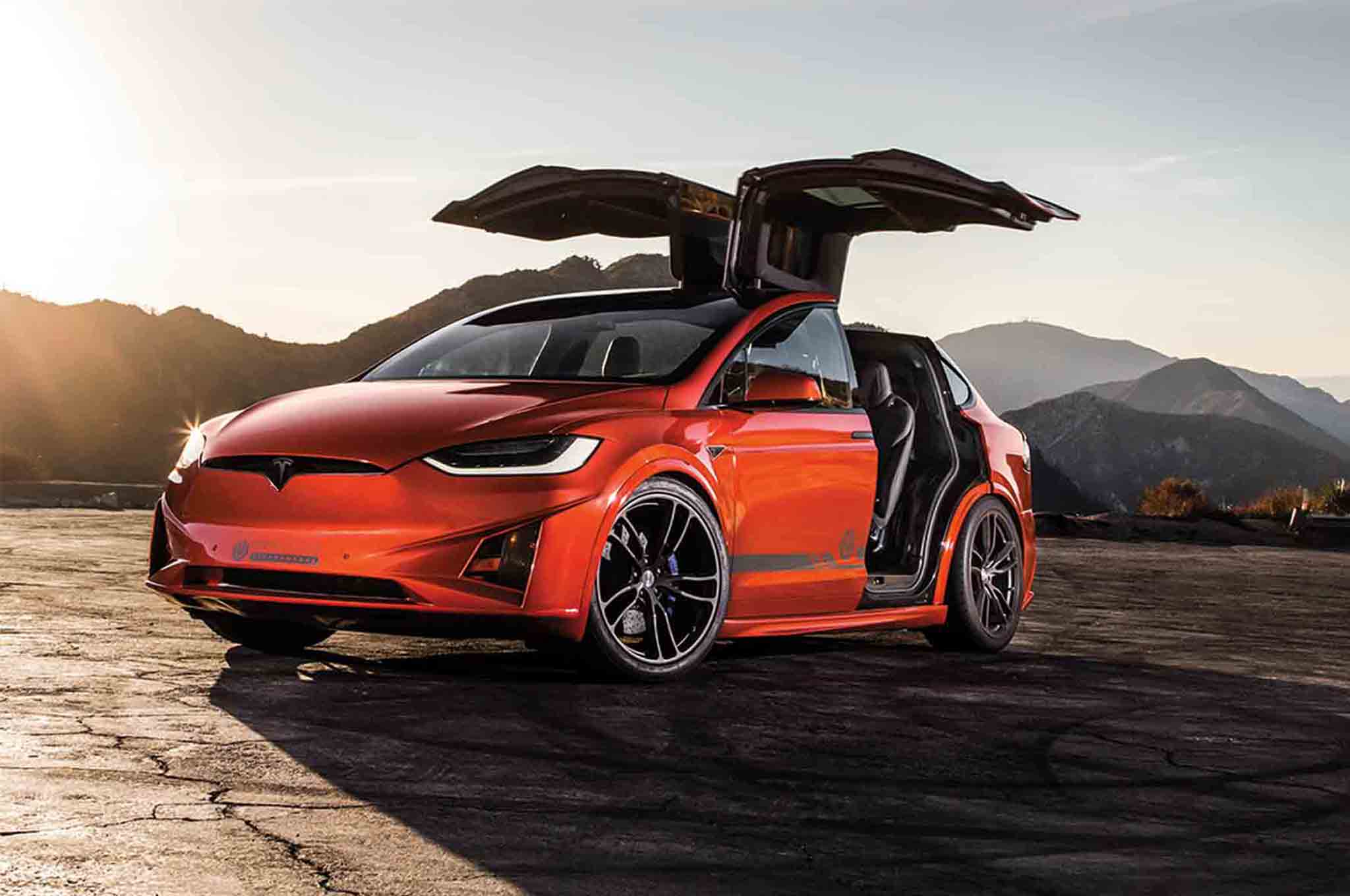
For years, many buyers believed Tesla was the most “bulletproof” EV brand—the one least likely to fall. But here’s a shocking twist: in Europe, Tesla’s dominance is collapsing faster than anyone expected. According to the European Automobile Manufacturers’ Association (ACEA), Tesla’s sales in July plunged 42.4% year-over-year, selling just 6,600 units across the EU—a market of 450 million people. To put that in perspective, BYD has already overtaken Tesla in Europe. Yes, that BYD—the Chinese automaker facing punitive EU tariffs—sold 9,698 vehicles, nearly 50% more than Tesla. Even more alarming, Tesla’s European sales have dropped almost 80% from the 31,810 units it sold in November 2023. The decline has been relentless, the kind that would terrify even the most volatile stock traders.
Across the continent—from EV-friendly Norway, to the industrial heartlands of Germany and France, and even post-Brexit Britain—consumers are turning away from Tesla. In Spain, sales have fallen a staggering 75%. It’s safe to say Tesla is under unprecedented pressure in Europe. Unfortunately for Elon Musk’s empire, Europe isn’t the only trouble spot. Reuters reports that Tesla’s U.S. market share in the new-energy segment dropped to 38% in August, marking the first time since 2017 it has fallen below 40%. That might not sound disastrous, until you remember that Tesla once commanded an 80% monopoly in America’s EV market. The decline has been steep and steady: under 50% last year, now below 40%. Even though Tesla sold 140,000 vehicles in Q2, its year-over-year growth has hovered around -10% monthly. Once more competitors arrive, things could get worse fast.
In China, Tesla’s momentum has flattened out. Monthly sales hover between 30,000 and 40,000 units, respectable but modest compared to the domestic EV market’s 20% annual growth. Let’s be honest: Tesla is no longer alone at the top. In Europe, the battlefield has three main fronts—the German heavyweights, the French-Korean compact challengers, and the rising Chinese disruptors. Volkswagen, for instance, has already overtaken Tesla as the region’s top EV brand in the first half of 2025. Its ID.7 sedan, the direct rival to Tesla’s Model 3, sold 36,565 units, far outpacing the Model 3’s 27,084. The reason? Space and familiarity. The ID.7 is longer, wider, and taller than the Model 3—appealing to European tastes for roomier interiors with a distinctly German flavor. Meanwhile, Renault, Peugeot, and Kia are winning over buyers who find the Model 3 too big or too expensive. Compact EVs like the Kia EV3, Renault 5, and Mégane E-Tech offer affordable, urban-friendly alternatives.
Then there’s the Chinese surge. BYD’s SEAL (known as “Haibao” in China) is now Tesla’s fiercest rival. Despite steep import tariffs and higher prices in Europe—€45,000 versus the Model 3’s €40,000—BYD is still growing rapidly, showing that the tide is turning. But Tesla’s challenges aren’t just about products—they’re about Elon Musk himself. His increasingly erratic public behavior has alienated many Europeans. From political statements to social-media outbursts, Musk has shifted Tesla’s once-neutral tech image into something far more divisive. He even live-streamed support for protests in London and commented on German elections, drawing backlash from all sides. In the UK, a group called “Everyone Hates Elon” has launched anti-Musk campaigns, urging people to delete their X accounts and boycott Tesla. A T-Online survey of 100,000 Germans found that 94% said they would not buy a Tesla, and only 3% would consider it. In the U.S., Tesla stores, charging stations, and vehicles have been targeted by vandalism and arson.
Once seen as a symbol of progress, Tesla is now viewed by many Europeans as a “right-wing tech brand”—a dangerous image in a progressive market. Adding to the trouble, Musk’s focus has shifted away from cars. He’s thrown himself into AI, robotics, and his dream of making Tesla an “AI robotics company,” leaving the auto division stagnating. Aside from the recent Model Y Long Range refresh, Tesla hasn’t released a major new mass-market car in years. The Cybertruck and Semi may embody Musk’s ambition, but they’re niche products. The Model 3 (2017) and Model Y (2021) remain Tesla’s core offerings—aging veterans in a rapidly evolving industry.
Even though Tesla still leads in efficiency—its energy consumption is under 14 kWh/100 km, better than Volkswagen’s ID.7—and maintains an unmatched Supercharger network, its brand is eroding faster than its tech can compensate. BYD’s prices may be higher, but emotional decisions drive car sales, and Europe’s emotional tide has clearly turned. Tesla’s biggest threat isn’t its rivals—it’s Elon Musk’s own image. A few years ago, Tesla’s minimalist interiors and screen-only controls were mocked, yet sales soared because the brand represented the future. Now, with that futuristic glow fading under controversy and stagnation, even Tesla’s strongest technology can’t hold the line. If things continue down this path, Musk may soon face the unthinkable: a Tesla in Europe that’s no longer too big to fail.