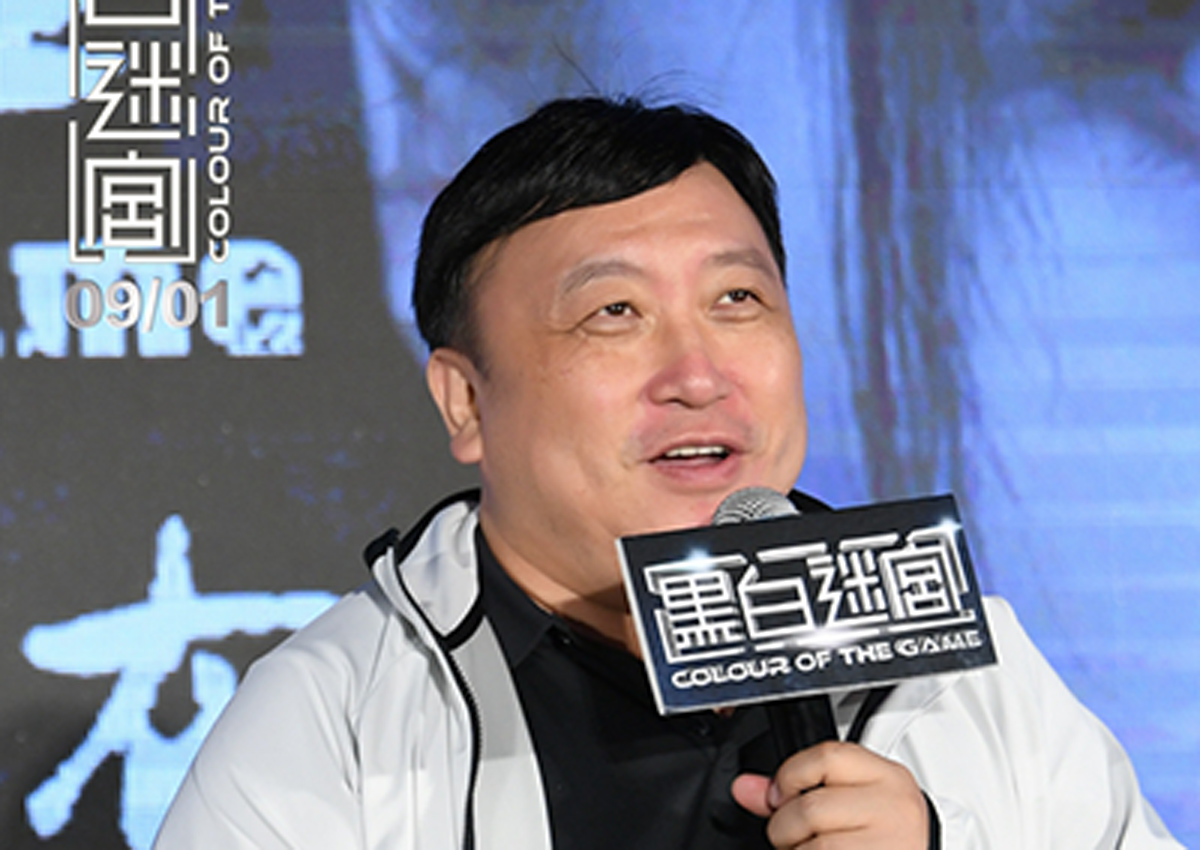
Director Wong Jing’s scathing words have turned the National Day blockbuster Where the Wind Blows into the center of heated debate. “Showmanship. Two straight hours of it,” he declared, accusing the film of exhausting its cast rather than inspiring them. In Wong’s view, the movie featuring stars like Takeshi Kaneshiro and Tony Leung Ka-fai isn’t true artistry—it’s a production trapped in excess and vanity. “Wong Kar-wai may push his actors hard but gets brilliance. Here, everyone looks bound by contracts, just barely finishing their scenes—and still failing to make them work,” he said. His sharper remark hit even harder: “Without a wealthy father, this film probably wouldn’t have been completed.” Though he didn’t mention names, the target was obvious—Juno Mak, the well-funded director whose earlier films Rigor Mortis and Sons of the Neon Night have faced similar whispers of privilege.
Actor Nat Chan’s criticism was even more direct. He admitted he neither watched nor understood the film but envied its HK$400 million budget, saying, “If I had that kind of money, I could make forty movies!” With two Hong Kong veterans taking aim, the already struggling film plunged deeper into public scrutiny.
What was meant to be a HK$450 million cinematic revival turned into one of the holiday’s biggest embarrassments. After four days in theaters, box office sales barely reached 40 million yuan, with a screen share of just 5.2%. Projections suggest the final tally might not even hit 100 million, signaling a loss exceeding 300 million yuan. The project’s ambition was obvious from the start but quickly spiraled out of control—lavish sets, snow machines burning through the cost of a Mercedes C-Class daily, and reshoots delayed for months in pursuit of “authentic winter sadness,” derailing actor schedules and wrecking budgets.
Takeshi Kaneshiro alone reportedly took one-third of the cast’s total pay, with hotel expenses over HK$20 million across three years. Add in Sean Lau and Louis Koo, and most of the film’s budget vanished into star salaries instead of storytelling. The film, once planned as a four-part saga, was abruptly cut down to a single disjointed piece when funding ran dry. The original 180-page script was hacked to 110, leaving character arcs tangled beyond recognition. Kaneshiro appears for only 20 minutes with fewer than ten lines; Lau’s role was sliced to brief background shots. Audiences mocked, “We paid to watch a four-hundred-million-dollar music video—black-and-white filters, slow motion, I thought the projector broke.”
Wong Jing’s accusation of “actor exploitation” wasn’t metaphorical—it was literal. Behind the scenes, a shocking incident revealed the extent of recklessness. During a hanging scene, Richie Jen’s stunt double was suspended without proper safety protection. The ten-second shot stretched to a full minute before the director called cut—only after the double lost consciousness. The insurance company refused to cover the damages, and production overspent seven figures in a single day.
Chaos ensued. Richie Jen nearly fought with the director on set, then refused to return for reshoots. His scenes were deleted, though his half-face still appeared on the poster. Kaneshiro walked off in solidarity. Louis Koo, originally set for a cameo, fled to the Maldives upon hearing of the reshoot plans, with his agent saying flatly, “No discussion unless you pay more.” Even action choreographer Stephen Tung exploded: “Ninety percent of my choreography was cut. No credit, no respect. Who is this movie for?” He ended by calling Juno Mak “psychologically twisted.”
Tony Leung Ka-fai’s sarcasm cut the deepest. When asked about his experience, he rolled his eyes and said, “Maybe after I’m gone, I’ll finally see the director’s cut.” The comment exposed the harsh reality—these acclaimed actors weren’t collaborators but mere tools of the director’s self-expression.
A decade ago, Juno Mak stunned audiences with Rigor Mortis, winning awards and festival acclaim that crowned him Hong Kong cinema’s next great auteur. But Where the Wind Blows exposed his limits. He mimicked Wong Kar-wai’s style without his substance, chased Johnnie To’s structure without his storytelling mastery. Critics were merciless: “He caught Wong Kar-wai’s disease but not his genius.” Even Cannes buyers walked away unimpressed, and Netflix reportedly asked, “Do you have a 90-minute version?” Mainland audiences were harsher still—some walked out midway, others joked, “This makes The White Storm 3 look like The Godfather.”
Looking back, Wong Jing’s comment—“I really envy this director”—drips with irony. Juno Mak’s father, tycoon Clement Mak, reportedly rescued the project by pulling in Silvermine and Shaw Brothers to prevent a total collapse. But cinema is not a playground for privilege. Peter Chan and Ann Hui also came from comfort yet earned respect through restraint, discipline, and love for the craft.
When Juno Mak treats life as a prop and actors as background decoration, the result isn’t art—it’s a HK$400 million cautionary tale about how arrogance can destroy even the grandest cinematic dream.