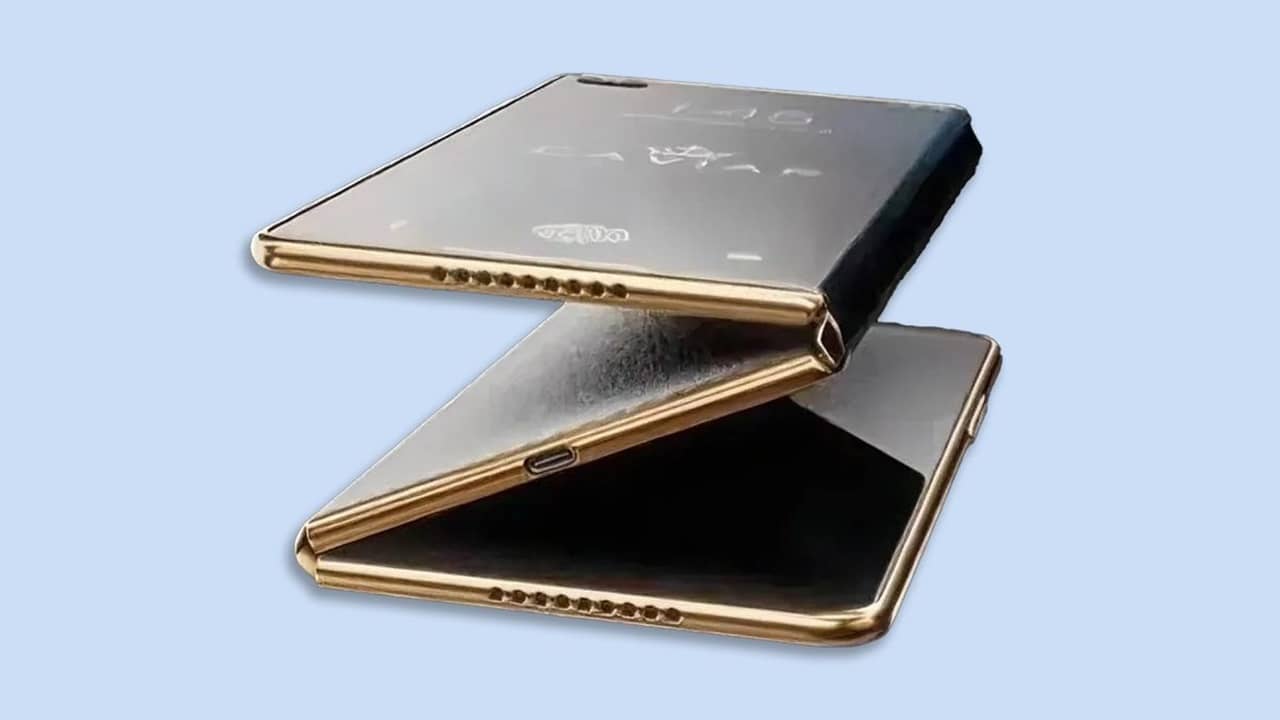
Samsung’s first-ever triple-fold smartphone, temporarily called the Galaxy Z TriFold, is no longer just a limited “showcase device.” According to the latest reports, this futuristic foldable won’t be confined to China and South Korea — it’s also entering markets like the UAE and potentially expanding to more regions, including the United States. This global rollout signals Samsung’s growing confidence in both production capabilities and consumer demand, marking a bold new step for the future of foldable devices.
Leaked details reveal some standout features. The Galaxy Z TriFold reportedly unfolds into a stunning 10-inch OLED display, splitting into three sections when folded. It’s rumored to use a three-battery configuration, balancing slimness, endurance, and structural integrity. The outer display is expected to be a 6.5-inch panel, making it more practical for one-handed use. Inside, the device is tipped to run on the Snapdragon 8 Elite for Galaxy chip, with up to 16GB of RAM and at least 256GB of storage. Wireless and reverse charging will also be included, rounding out its flagship credentials.
The camera system aims to deliver “Ultra-level” performance, reportedly featuring a 200MP main lens, an ultra-wide camera, and a telephoto lens capable of up to 100× digital zoom — a signature Samsung feature combining multi-frame synthesis and algorithmic enhancement. It’s important to note, though, that this zoom capability is digitally assisted, not purely optical.
The triple-battery design is Samsung’s engineering answer to the biggest challenge in foldable tech — fitting a large battery into a flexible structure. Distributing the batteries across three folding segments helps maintain balance and reduce stress on individual cells. However, it also adds complexity to power management, requiring careful control of heat, synchronization, and battery health. Meanwhile, the durability of the triple-hinge and multi-layer flexible display remains a crucial question. Resistance to creasing, dust intrusion, and long-term mechanical wear will determine how well this ambitious device performs over time.
From a market perspective, Samsung clearly sees an opportunity among premium users — those who want productivity and creativity in one portable device. This includes content creators who value a large digital canvas, professionals who multitask heavily, and tech enthusiasts eager to own the next evolution in mobile design. Given Samsung’s pricing strategy for previous foldables, the TriFold is expected to command a premium price, appealing to a niche but influential early-adopter audience.
On the software front, the Galaxy Z TriFold is expected to ship with One UI 8 based on Android 16. Samsung has been consistent in extending software support across its premium lineup, so this model will likely benefit from several years of OS and security updates — a major plus for buyers investing in a high-end, experimental form factor.
In conclusion, Samsung’s decision to bring its triple-fold device to multiple markets reflects both ambition and confidence, but it also brings challenges. Manufacturing yield rates, long-term durability, and weight-to-battery trade-offs will all be closely scrutinized. For now, the best advice for most consumers is to wait for the first wave of reviews — especially tests on hinge reliability, crease visibility, screen quality, and real-world battery life — before deciding whether this groundbreaking foldable is worth the plunge.