On December 29, delivery information for drug regulatory notices published on China’s National Medical Products Administration (NMPA) website showed that Hefei Tianhui Biotechnology Co., Ltd. (Tianhui Biotech) had a filing listed for its enteric-coated recombinant human insulin capsule.
In general, receiving this type of regulatory notice may indicate that a marketing authorization application was not approved—or that the company proactively withdrew the application after concluding it was unlikely to pass review.
Yicai Global (First Financial) also reached out to Tianhui Biotech to understand why the application did not succeed. As of publication, the company had not responded.
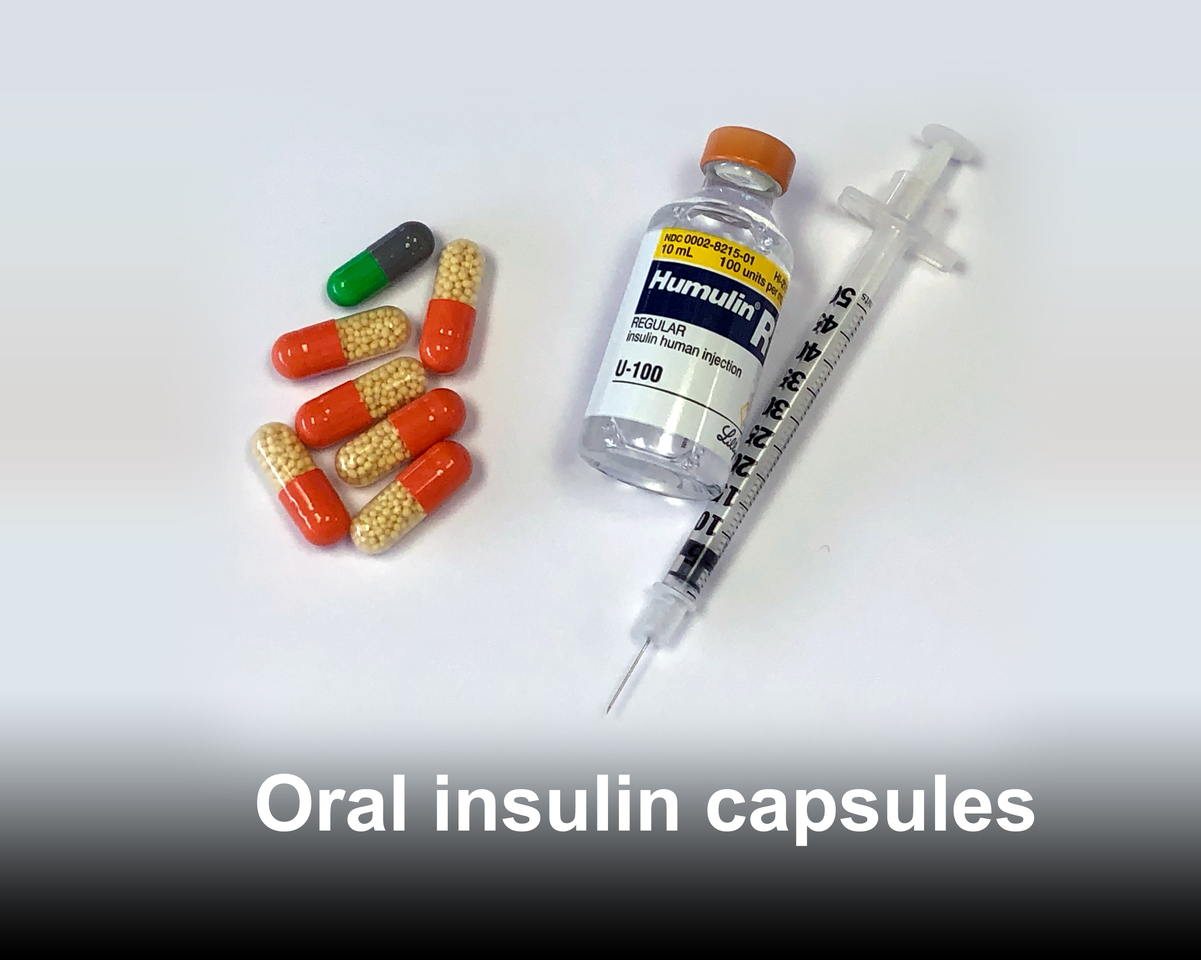
The product has drawn significant attention because it was the world’s first oral insulin to be submitted for marketing approval. It was initially filed in China in April 2023 and was intended for patients with type 2 diabetes whose blood sugar is not adequately controlled with oral glucose-lowering medications.
Tianhui Biotech’s recombinant human insulin enteric-coated capsule is an in-licensed product originating from Israel-based Oramed.
For decades, insulin has remained an indispensable cornerstone in diabetes treatment. Starting insulin therapy earlier can be crucial for effective disease management. However, the limitations of subcutaneous injection mean some patients remain hesitant, which can delay initiation and ultimately affect glycemic control. Improving the delivery method—and achieving true oral insulin—has been a scientific challenge pursued for more than a century.
Even so, developing oral insulin is exceptionally difficult, and major international insulin players have faced setbacks as well. Insulin is a peptide made of multiple amino acids, a protein hormone with a large molecular size that is easily degraded by enzymes and has low permeability. Before it can be absorbed orally and reach target organs to exert its effects, it must overcome three major barriers: the gastrointestinal tract’s complex and shifting acid–base environment, the many digestive proteases that break down proteins, and the permeability barrier created by tightly packed intestinal epithelial cells—along with the mucus layer formed by goblet cells.
In fact, this oral insulin drew controversy when it was submitted in China, largely because its overseas Phase 3 trial had already failed. In January 2023, Oramed announced that its oral insulin capsule ORMD-0801 (the same enteric-coated recombinant human insulin capsule) did not meet either the primary or secondary endpoints in a Phase 3 clinical trial for type 2 diabetes (the ORA-D-013-1 study).
What this unsuccessful application means for Tianhui Biotech’s future investment decisions remains to be seen and will be worth watching closely.