Beijing, Jan 13 —
Taiwanese pop diva Jolin Tsai has found herself at the center of controversy in China following her upcoming 2026 PLEASURE World Tour concerts.
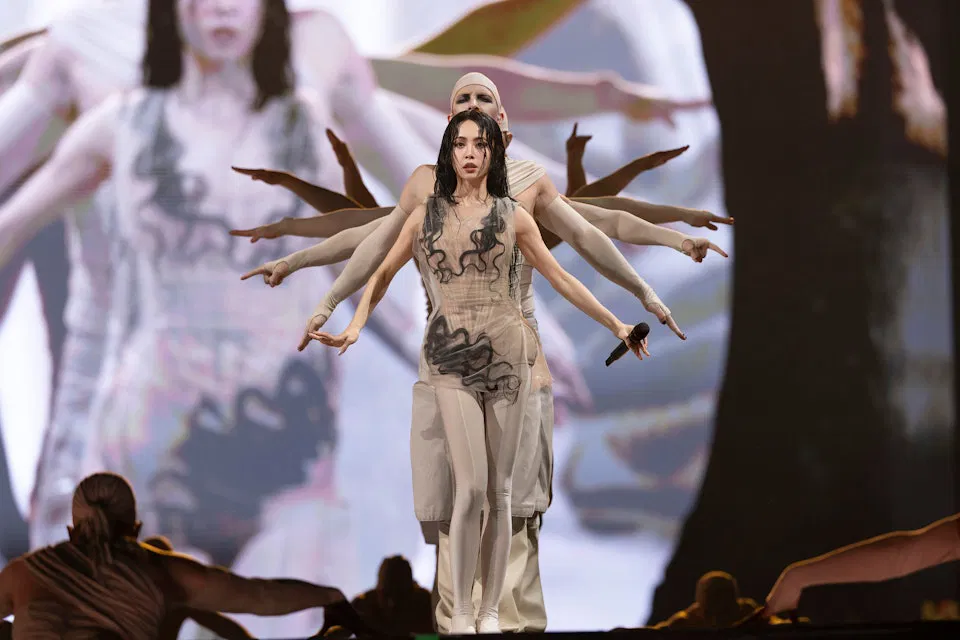
The tour opened in Taipei to widespread acclaim for its powerful vocals and avant-garde stage design. However, in mainland China, some members of the public have filed complaints, claiming the performance contains religious symbolism.
According to entertainment blogger “Ba Jiang Daily,” a complaint letter was submitted on January 9 to China’s cultural law enforcement authorities, explicitly titled “Report on Jolin Tsai’s 2026 PLEASURE Concert at the National Stadium.” Screenshots circulating online suggest hundreds of similar complaints were sent to cultural and tourism bureaus across multiple regions.
Critics on social media described the concert as “bizarre and unsettling,” with some interpreting the mechanical snake featured on stage as part of a “ritual sacrifice.” Traditional acrobatic elements were also labeled as “underworld aesthetics,” while others warned against what they called “Western cultural infiltration.”
Despite the backlash, the concert had already received official approval and was scheduled to take place at Beijing’s National Stadium (Bird’s Nest). In response, the Chinese promoter Yongdao Star Entertainment issued a statement on January 7, firmly denying any religious implications. The company explained that the stage design symbolizes desire and rebirth, complies fully with cultural regulations, and warned that legal action may be taken against those spreading false information.
While some artists and commentators have condemned the complaints as an attack on creative freedom, opponents maintain that certain visual elements made them physically uncomfortable and argue that such Western religious imagery should not appear in public performances.