On January 20, Sony signed an MoU with TCL, transferring 51% control of their home entertainment joint venture. Sony and BRAVIA branding will remain—but symbolically, this marks the end of an era.
Over two decades, Sony has steadily exited heavy hardware businesses:
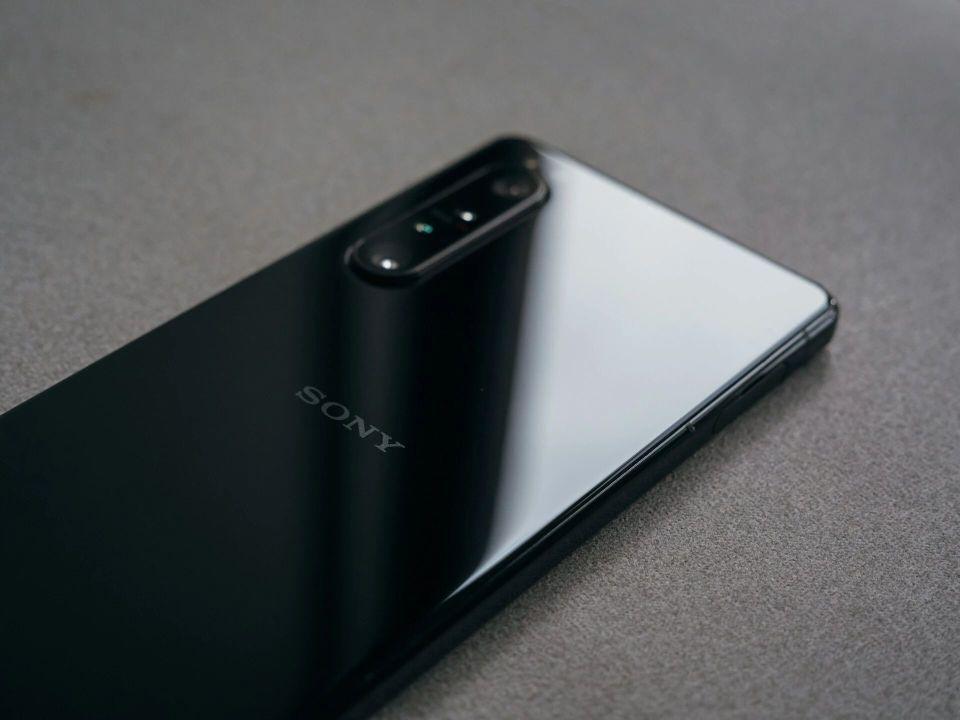
Walkman, batteries, VAIO, and Xperia smartphones. These moves weren’t failures, but survival-driven simplifications.
Sony once dominated through vertical integration. But as the industry shifted toward scale, capital intensity, and supply-chain efficiency, Sony’s high-cost craftsmanship lost ground.
- VAIO lost to standardized PC manufacturing
- Battery leadership fell to capital-heavy EV players
- TVs lost margin power after Sony exited panel production
Sony ultimately doubled down on what it couldn’t lose:
image sensors and content IP. Today, Sony sensors power much of the global smartphone market, while gaming, music, and film deliver stable cash flow.
The TCL deal reflects the peak of Sony’s asset-light strategy—
offloading factories, inventory, and logistics, while keeping brand value and core imaging technology.
This isn’t decline. It’s adaptation.
When manufacturing stops creating value, survival means redefining where value lives.