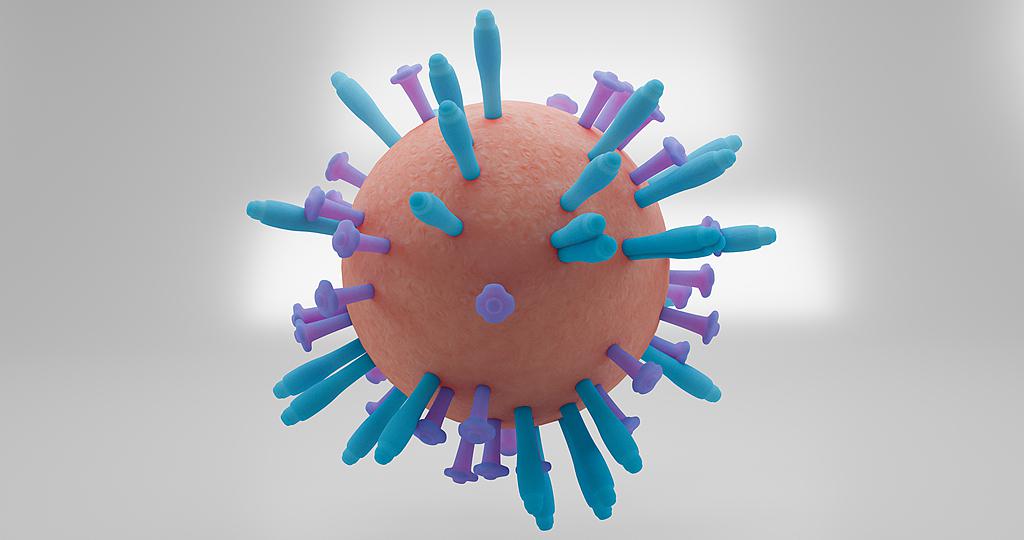
Recently, news of a Nipah virus outbreak in India has drawn significant public attention. According to Xinhua News and CCTV, citing foreign media, the virus has emerged in West Bengal, eastern India, with five confirmed cases, including healthcare workers. Nearly 100 people have been asked to self-isolate, and one patient is in critical condition.
The key question: Could Nipah virus spread on a scale similar to COVID-19?
Professor Jin Dongyan, Senior Vice Dean at the Research Institute of the Faculty of Biomedical Sciences, University of Hong Kong, told Blue Whale News that the consensus among experts is that Nipah virus is unlikely to trigger widespread outbreaks like COVID-19, so the public need not panic. Nipah virus is not new; over the past 20 years, small outbreaks with only a few cases per year have occurred, and this year is no different. Moreover, asymptomatic infection is rare, and isolation effectively curbs transmission.
Historical data shows that Nipah virus was first discovered in 1999 among pig farmers in Malaysia, with no new outbreaks reported in Malaysia since then. In 2001, Bangladesh experienced outbreaks, and small-scale outbreaks have occurred almost every year since. In eastern India, sporadic cases have been reported. Other countries may face risk, as evidence of the virus has been found in bats in Cambodia, Ghana, Indonesia, Madagascar, as well as in the Philippines and Thailand.
On January 26, Wang Xinyu, Deputy Director of the Department of Infectious Diseases at Huashan Hospital, Fudan University, emphasized the importance of “strategic vigilance” and “tactical calm” when confronting Nipah and related viruses. Recommended measures include:
- Eco-health awareness: Outbreaks often result from ecological disruption. Deforestation forces bats into orchards and villages. Protecting wildlife habitats protects humans.
- Personal protection and food hygiene: Avoid wild animals, wash and peel fruits thoroughly, and do not consume raw palm or date palm juice in epidemic areas.
- Medical alertness: Travelers returning from outbreak regions with fever, headache, confusion, or respiratory symptoms should seek immediate medical attention and disclose travel history.
- Scientific hope: Although no specific treatment exists, research continues. Nipah vaccines (e.g., ChAdOx1 NipahB) are in clinical trials, and monoclonal antibodies (e.g., m102.4) show promise under compassionate use.
In terms of detection, multiple companies including Antu Biotech, Shuoshi Biotech, JinHao Pharma, CapBio, ZJ Biotech, Sinocare, Vibexin Biotech, and Shengke Original Bio have developed nucleic acid test kits for Nipah virus, providing technical support for epidemic monitoring. Some insiders noted that procurement demand has arisen in affected regions, and domestic key ports maintain related test kit reserves.
In summary, while Nipah virus warrants attention, its high controllability and advances in research and testing provide strong safeguards for public health.