A week ago, I downloaded Typeless, an AI voice input app, unaware it would completely change the way I work.
Since the second half of 2025, AI voice input has become a booming trend. Doubao Input Method focuses on voice input, Zhipu launched Zhipu AI Input, and Sogou announced on January 27 a 98% recognition rate with nearly 2 billion daily voice inputs, leading the industry. Overseas, Wispr Flow raised $81M, while Typeless topped Product Hunt charts and launched multi-platform versions. Startups and individual developers, including Shandianshuo, LazyTyper, Spokenly, and Miaoyan, are also innovating in this space.
I initially expected another short-lived AI novelty, but Typeless became the most impressive AI product I’ve used since ChatGPT. In less than a week, I abandoned my 20-year typing habit and switched entirely to voice. The draft of this article was completed using Typeless: 5,500 characters in 53 minutes, averaging 155 characters per minute, saving around 2.5 hours.
01 Faster, More Accurate: AI Voice Input Hits Hard
Even as an experienced typist, my typing speed maxed out around 80–90 characters per minute. Voice input easily reaches 150 cpm, and top users can hit 250 cpm, surpassing the 2013 Chinese Character Input Championship’s 175 cpm. Accuracy is excellent too: Chinese voice input error rate 6.67% vs. 17.73% for keyboard.
AI-powered voice input is no longer mere transcription—it’s an “intent-aware input method.” It removes filler words, corrects grammar, smooths sentences, and even adjusts tone, context, or translation. Mistakes can be corrected via voice commands, e.g., Typeless can fix homophones instantly.
Voice input is also discreet. In my office, colleagues barely noticed me whispering commands. Even under 20 dB, recognition accuracy remains 97%. Longer sentences yield better accuracy, as large models understand context better.
02 Beyond Text Fields: Building a Super Entry Point
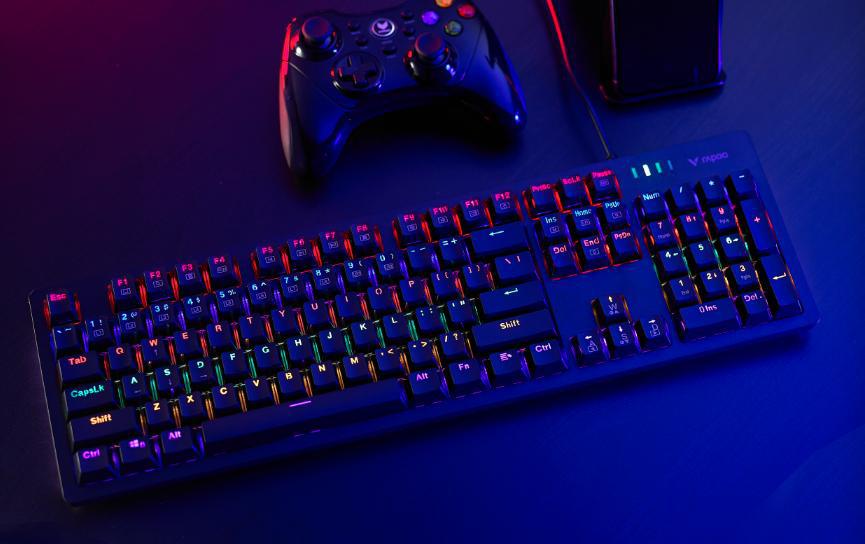
AI voice input could transcend traditional typing to become a cross-App, system-level entry point. In the future, dedicated keyboards may vanish; system AI assistants could handle input everywhere, bridging virtual and real worlds—essentially an advanced Siri. Apple reportedly plans a 2026 AI assistant update, integrating core apps and conversational interaction.
03 Typing is History; Voice is the Future
Typing has existed for only 150 years, while spoken language has been around for tens of thousands. Typing relies on “System 2” effortful processing, whereas voice is “System 1,” instinctive and natural. Chinese input remains complex; Wubi, Pinyin, Zhuyin, and Cangjie each have strengths and weaknesses but do not fully solve the speed-vs-accessibility dilemma. As large models mature, AI voice input is likely to become dominant.
My personal experience yielded two unexpected benefits:
- Writing anywhere: I can draft articles on sofas, toilets, or subways, abandoning long blocks of dedicated writing time.
- Efficient AI interaction: Long prompts can be spoken in one go, often producing satisfactory results in a single attempt.
Future generations may never understand why we once typed on screens—voice input is the most natural human communication method.