2025 New Energy Vehicle Insurance Premiums Up 30% YoY: Higher Repair Costs Than Gas Cars and More Frequent Smart-Driving Accidents
Fast Technology reported on January 31 that China’s auto insurance industry recorded approximately R...
Fast Technology reported on January 31 that China’s auto insurance industry recorded approximately RMB 996.37 billion in written premiums in 2025 (including both commercial auto insurance and mandatory traffic liability insurance), representing a 2.99% year-on-year increase. Within that total, written premiums for new energy vehicle (NEV) commercial auto insurance reached about RMB 157.61 billion, jumping 33.88% YoY. Paid claims for NEV commercial auto insurance totaled roughly RMB 79.92 billion, up 36.09% from the prior year.
From a growth perspective, NEV insurance has clearly become the engine of expansion across the broader auto insurance market. Its premium growth rate far outpaced the overall industry, highlighting how strongly NEVs are reshaping insurers’ portfolios.
This trend aligns with the broader market reality. China’s total vehicle sales reached 34.40 million units last year, up 9.4% YoY. NEV sales hit 16.49 million units, rising 28.2% YoY, and NEVs accounted for more than 50% of domestic new-car sales—an important milestone for the industry’s transition.
NEVs also show a higher commercial insurance penetration rate than traditional internal combustion engine vehicles. A key driver is risk transfer: repair costs for NEVs are often higher, giving owners a stronger incentive to rely on insurance coverage rather than absorb potential losses out of pocket.
Industry observers have previously noted that NEVs can experience claim incidence rates roughly 70% higher than gasoline vehicles, with loss ratios also around 10 percentage points higher. Contributing factors include a higher share of younger drivers (who may be more prone to aggressive driving), a learning curve around smart-driving features that can lead to accidents when drivers over-rely on the systems, and the use of some vehicles in higher-risk scenarios such as ride-hailing.
Repair economics further amplify the pressure. NEV maintenance can be significantly more expensive due to high-cost components like batteries and LiDAR sensors. Even minor battery damage may require full pack replacement, with single repairs potentially reaching tens of thousands of yuan. Replacing a single LiDAR unit can cost more than RMB 20,000.
In addition, some automakers’ integrated design approaches can limit repairability—turning what might have been a fix into a full part replacement. This “replace rather than repair” dynamic pushes claim costs higher and, in turn, reinforces the upward pressure on NEV insurance premiums.
A-Share Fortunes Are Knocking — Will You Answer?
A Market Phenomenon: Small Caps and Loss-Makers on the RiseA striking trend has emerged in China’s A...

The truth about workplace power dynamics isn’t just about competence— it’s about who understands how to “play the role” and manage perceptions better.
In many people’s view, the workplace is a battleground of skills, performance, and working hours.But...
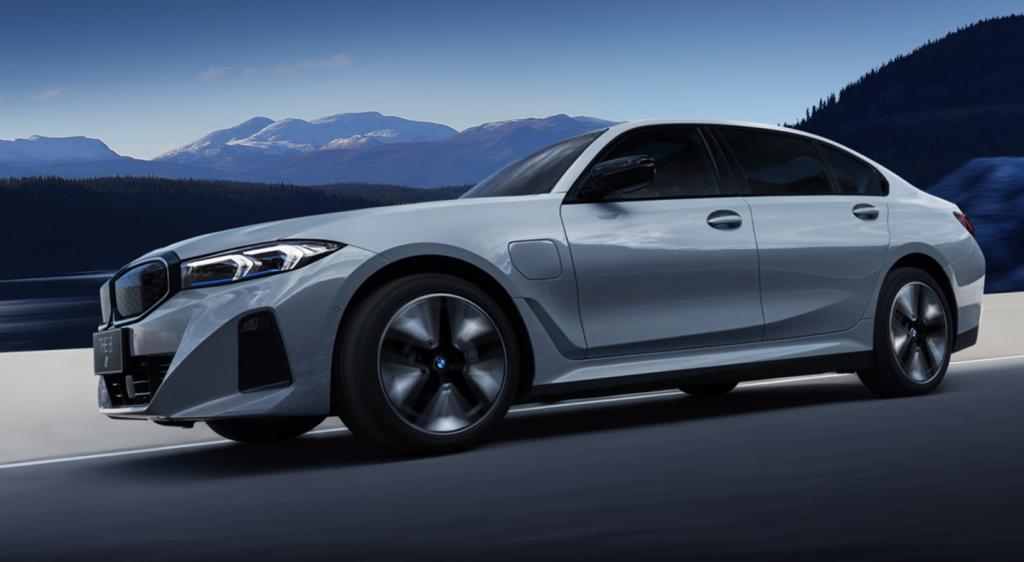
BMW recalls 7,740 electric vehicles in China, including the i7, iX, i5, iX1, and i3 models.
IT Home, November 28 — According to China’s State Administration for Market Regulation, BMW (China) ...
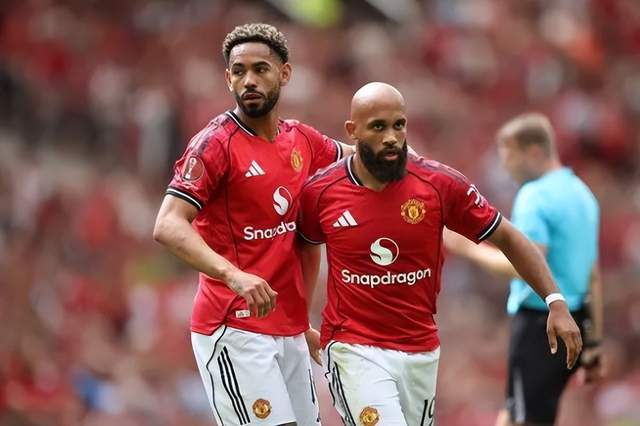
7th in the Premier League! Manchester United Showing Real Progress — £71M Star Declares: “We Can Win the Title Within Two Years!”
After 14 rounds of the 2025-26 Premier League season, Manchester United sit 7th with 21 points, show...
Westbrook Makes History with 207th Triple-Double, Surpasses Jokic on a Minimum Contract — Team Reporter Salutes the 37-Year-Old Veteran
On December 9 (Beijing time), the Sacramento Kings suffered a 105–116 loss to the Indiana Pacers in ...
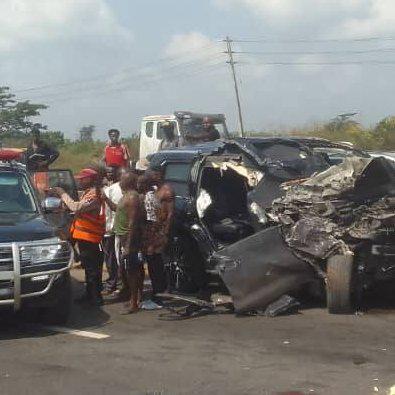
British heavyweight boxing champion Anthony Joshua was involved in a serious car accident in Nigeria, resulting in the tragic deaths of two of his coaches.
On December 29 local time, Joshua’s Lexus SUV, reportedly speeding, collided with a stranded truck o...
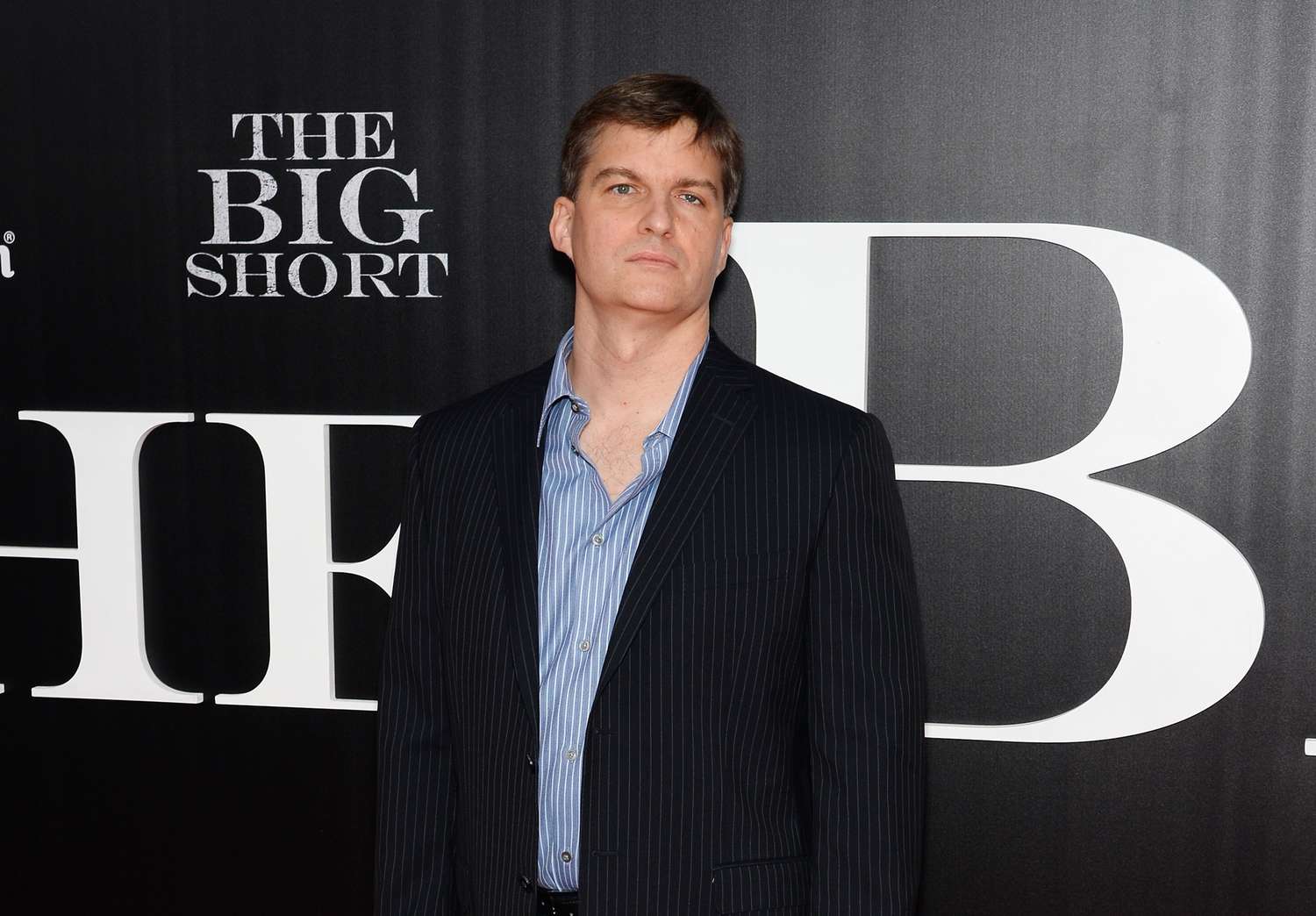
Big Short’s Michael Burry Bets Against Oracle, Citing Concerns Over Its Positioning and Financing
Michael Burry—the investor made famous by The Big Short—revealed in a Substack post published after ...

My Smart Coffee Machine Refuses to Make Coffee
Mornings are supposed to start with a cup of coffee and a boost of energy. But for one tech reporter...
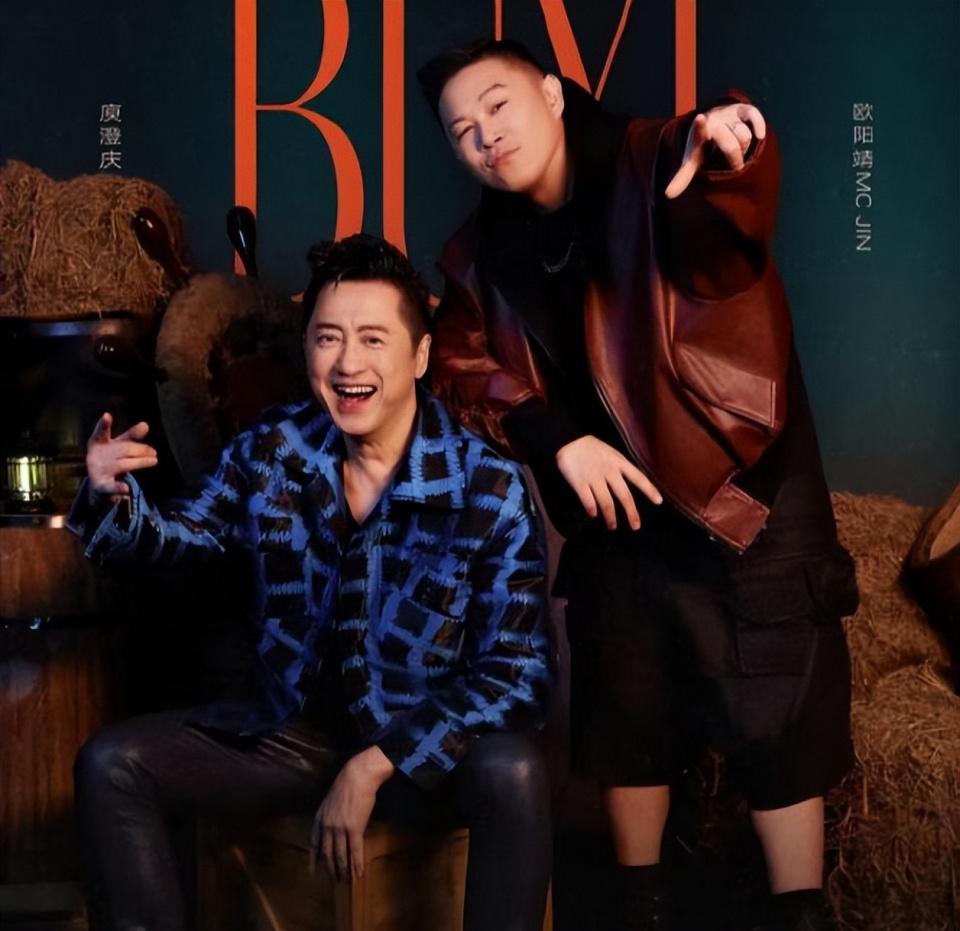
While Changsha is freezing below zero, Ouyang Jing is still wearing shorts. He Jiong joked, “Doesn’t he know that nobody wears shorts in Changsha anymore?”
The trending topic “MC Jin wearing shorts in Changsha” turned out to be more than just a joke—it bec...
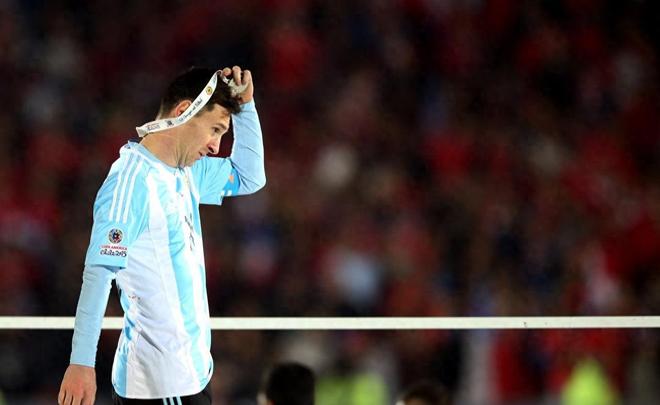
A game-changing attack! Why Ronaldo couldn't shake Messi's status as the king of football
In the world of football, every star brings their own magic, but when it comes to the title of “GOAT...
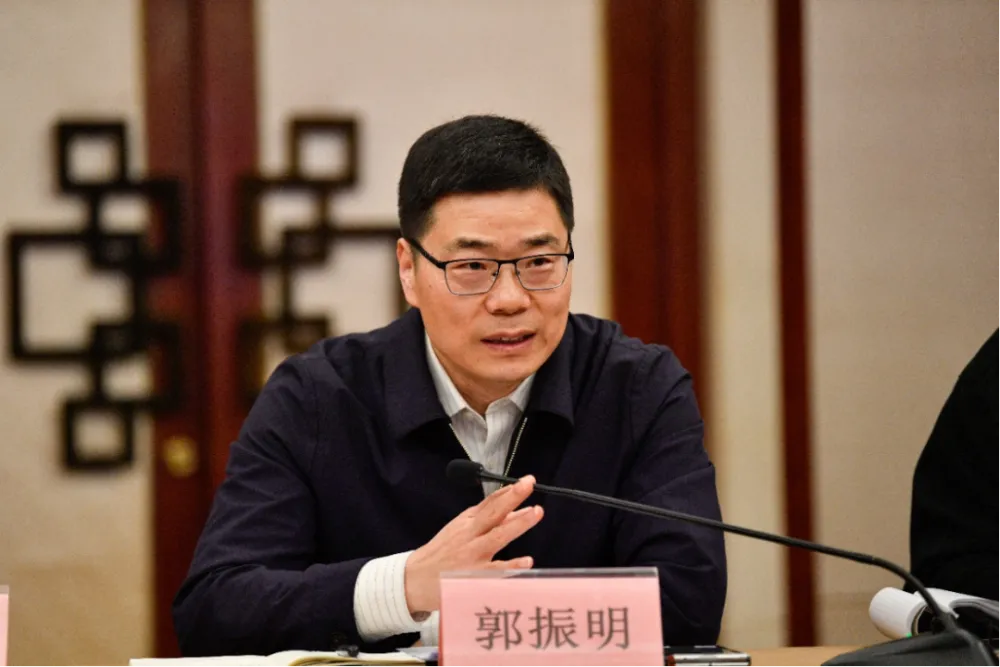
China’s national team ratings are out! Hu Hetao ranked at the bottom, drawing criticism, while Yan Junling topped the team with a 7.3 rating. Three substitutes also impressed with strong performances.
(Beijing, March 31) The Chinese Basketball Association has reportedly held a reform meeting regardin...