BTS concert at Gwanghwamun sparks public complaints as repeated emergency alerts draw backlash
(Seoul, 22nd) Global K-pop group BTS has officially reunited following the completion of members’ mi...
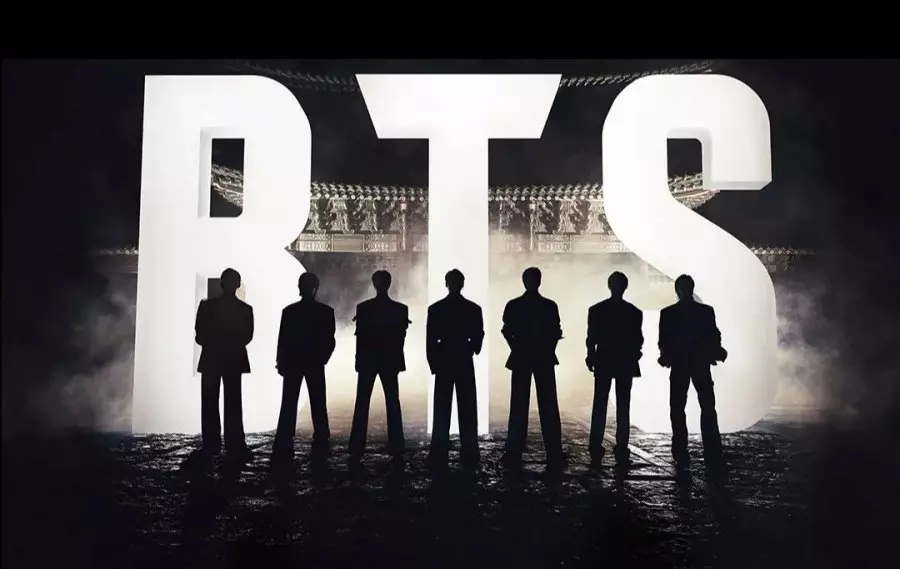
(Seoul, 22nd) Global K-pop group BTS has officially reunited following the completion of members’ military service, marking their comeback with a new album ARIRANG after a four-year hiatus. On the evening of the 21st, they held a large-scale comeback concert at Seoul’s iconic Gwanghwamun Square, drawing an estimated crowd of 260,000 people.
The free event, titled “THE COMEBACK Concert | ARIRANG,” took place from Gwanghwamun to City Hall, attracting fans—known as ARMY—from around the world. In response to the massive turnout, the Seoul Metropolitan Government implemented heightened security measures, deploying approximately 15,000 police and emergency personnel.
Authorities established 31 entry checkpoints around the venue, requiring all attendees to pass through metal detectors. However, some passersby who were not attending the concert were also subjected to security checks, leading to complaints.
Additionally, the city government began issuing frequent emergency alert messages starting from the 20th, notifying residents about road closures and crowd control measures. According to official announcements, Sejong-daero was closed from 9 PM on the 20th until 6 AM on the 22nd, with nearby underpasses temporarily shut down. Subway stations including Gwanghwamun, Gyeongbokgung, and City Hall also implemented non-stop operations to reduce congestion.
The frequent alerts, however, sparked criticism among some residents. Complaints ranged from message fatigue—“even during martial law it wasn’t this frequent”—to confusion caused by multilingual alerts, with some mistaking them for spam. Others questioned whether the national alert system was being overused, joking that it felt more like promotion for the concert.
Despite the backlash, some citizens defended the measures, arguing that repeated notifications were necessary to ensure public safety during such a large-scale event. “It’s better to over-inform than risk someone missing critical information,” one comment noted.

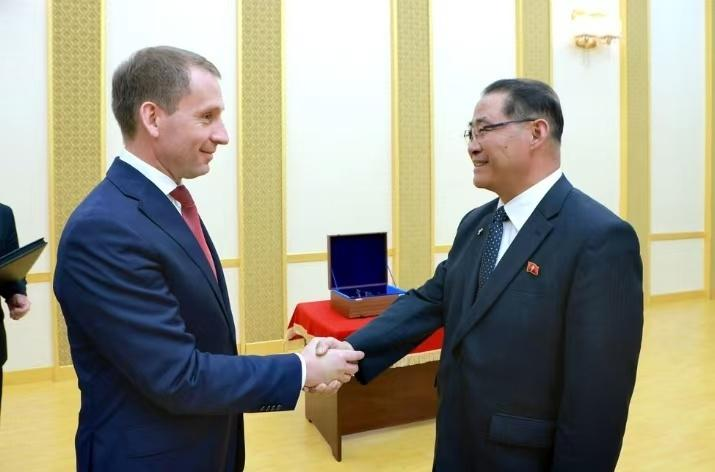
DPRK–Russia Hold High-Level Talks in Pyongyang, Focus on Trade, Economic and Technological Cooperation
On July 28, senior officials from North Korea and Russia convened in Pyongyang for a bilateral meeting aimed at strengthening cooperation in trade, economic development, and science & technology. The talks were held at the Mansudae Assembly Hall, serving as a key session under the DPRK–Russia Intergovernmental Committee on Trade, Economic and Scientific-Technical Cooperation.

Tesla Meets Tesla: Highway Crash Captured by Another Tesla on Camera
On October 19, Fast Technology reported a remarkable Tesla coincidence caught on camera — a highway ...

Jordan Chan once “couldn’t even afford a meal”; his wife, Mrs. Chan, stepped in to negotiate and helped him through the tough times.
(Hong Kong, 28th) Cecilia Cheung’s mother-in-law Chen Lan, known as Mrs. Xiang, wife of Hong Kong fi...
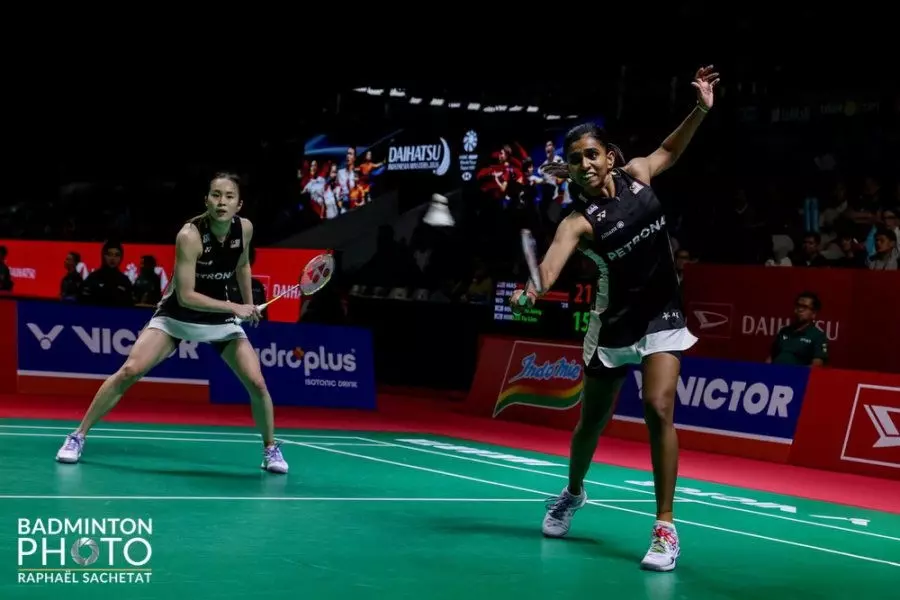
[Indonesia Masters] Japanese women’s doubles pair withdraw; Le-Ti win the title by walkover
(Jakarta, 25th) Malaysia’s women’s doubles pair Pearly Tan / Thinaah Muralitharan—widely known as th...
Li Guoqing Refuses to Fade Into the Background
Once a high-profile entrepreneur, now a full-fledged internet personality. After a highly publicized...

Alibaba doubles down on Taobao Flash Sale: willing to absorb losses for three years as its counteroffensive begins early
On Feb. 11, LatePost reported that Alibaba’s core leadership encouraged teams at an internal meeting...
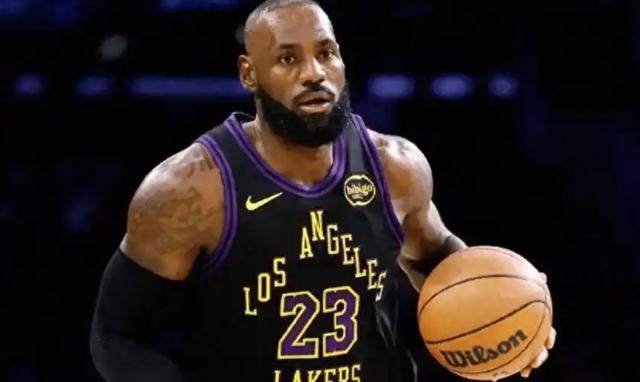
Stephenson: I Just Love LeBron, He’s Always a Team Player
Former Pacers and Lakers guard Lance Stephenson appeared on Brandon "Scoop B" Robinson’s podcast, sh...

€75 Million Move! Arsenal Target Anthony Gordon After Champions League Prowess
This summer, Anthony Gordon is poised to become one of the hottest names on the transfer market. Acc...
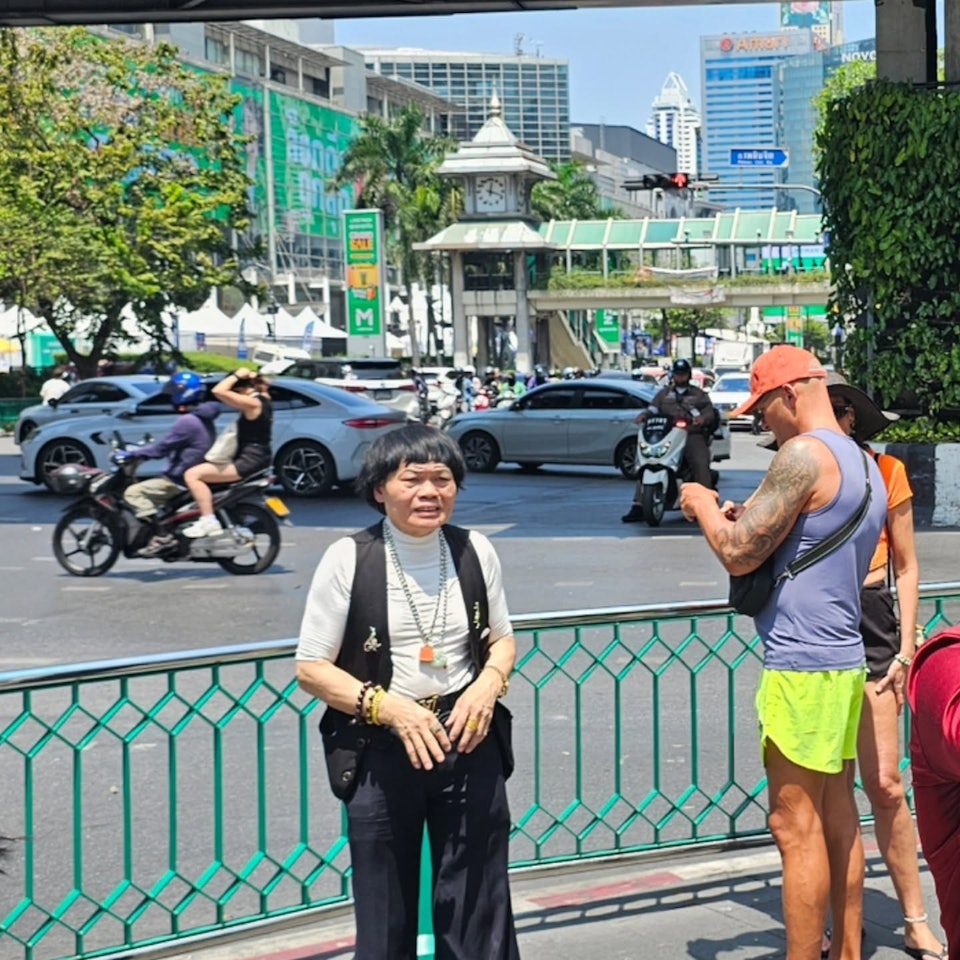
“Baat Leung Gam” Spotted Praying at Erawan Shrine in Bangkok, Son’s Latest Look Compared to Jacky Heung
(Bangkok, 21st) 72-year-old Hong Kong actor Bobby Yip, famous for his signature “mushroom haircut” a...

Liu Haoran Accused of “Improper Visit” to Escort KTV — Fellow Actor Quickly Clarifies It Was a Private Gathering
(Beijing, March 28) Chinese actor Liu Haoran, best known for his role in the Detective Chinatown fra...

Zhong Meimei Imitates Hao Lei Face-to-Face — “Being Unpopular Is the Original Sin,” Fans Say It’s Spot-On
On April 18, episode three of the acting reality show Infinity and Beyond Class 4 aired, featuring a...