Another 0-Point Game, 0-for-2 from the Line! Earning 18 Million for This? Fans Slam: “A Nightmare for Owners”
Once a protégé of Liu Weiwei, Wang Yibo has struggled to justify his top-tier contract this season w...
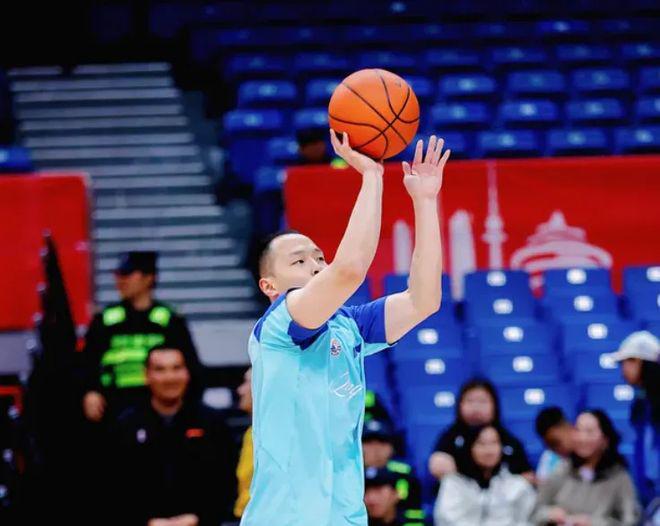
Once a protégé of Liu Weiwei, Wang Yibo has struggled to justify his top-tier contract this season with Qingdao Eagles.
In Qingdao’s 90–95 loss to Beijing Ducks, Wang came off the bench for just 4 minutes and 41 seconds, failed to attempt a single field goal, missed both free throws, and recorded no meaningful statistics aside from one foul. His lack of impact quickly drew criticism from fans.
What makes the situation more striking is his history with coach Liu, who once played a key role in developing him during his Zhejiang days. Now reunited in Qingdao, Wang has yet to rediscover that form, with his playing time steadily declining as the season progresses.
So far this season, he averages 4.6 points, 1.2 rebounds, and 3.1 assists in 16.9 minutes per game. While he showed flashes early on, his offensive output and playmaking influence have diminished over time.
Given that Qingdao signed him to a three-year, 18 million RMB top contract, questions are already being raised about the value of the deal—even before the first season concludes.
For Wang, a maximum contract comes with expectations, not just security. With the playoffs approaching, failure to improve could further limit his role in crucial moments.
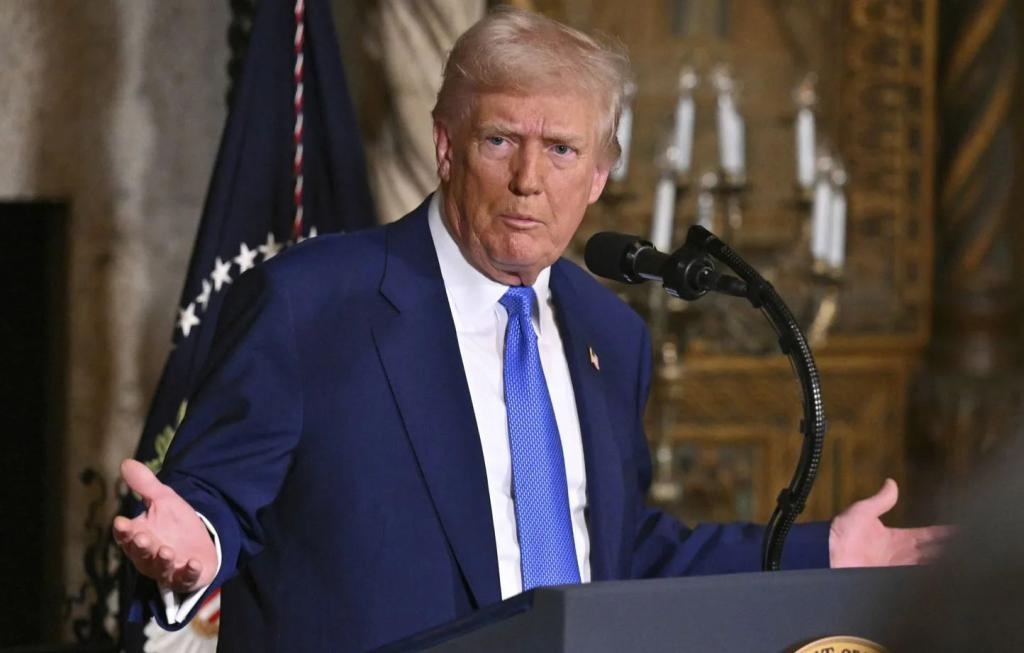
Escalation of the China-U.S. Trade War: The Clash of Rare Earths and Chips — The Contest Behind the Non-Tariff Barrier Battle
This article analyzes Liu Heping’s perspective on the new developments in the China-U.S. trade war. It points out that after the tariff war has largely subsided, the Trump administration has turned to non-tariff barriers—tightening visa scrutiny for Chinese students, suspending exports of high-tech products, and restricting high-end chips. In response, China is leveraging rare earth export controls, exposing America’s “Achilles’ heel” of dependency on Chinese rare earths. The conflict has shifted from tariffs to a battle over technology and resources centered on rare earths and chips. Liu emphasizes that China’s rare earth strategy is more about defensive maneuvering to push the U.S. to ease chip controls, rather than a total export ban. If the standoff persists until 2030, both sides risk losing markets and facing industrial decoupling, with far-reaching global economic impacts.
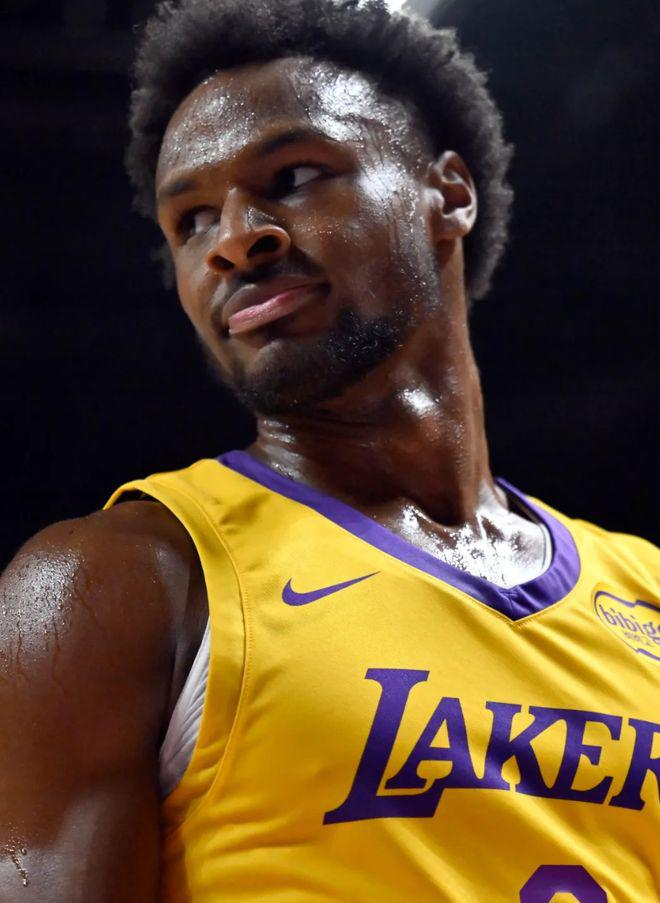
Bronny James Shines in Summer League with Perfect Half: 12 Points, 4 Rebounds, 3 Assists, 123% TS
On July 15, Bronny James delivered a breakout performance in the NBA Summer League as the Lakers fac...

Upset Alert! Mima Ito Shocked in First-Round Exit, Falls 2–3 to Zeng Jian — Her First Loss to the Rival in Nine Years
On the evening of October 24, Beijing time, the 2025 WTT London Star Challenge delivered one of its ...

Michele Lee Celebrates 17th Wedding Anniversary, Shares Sweet Photo and Subtle Display of Gold Bracelet
(Hong Kong, 24th) Michelle Reis, 55, known widely for her longstanding presence in the entertainment...

Reportedly suffering a cervical spine injury, 63-year-old Gallen Lo pushes through the pain to take the stage.
(Hong Kong, Jan 4) 63-year-old TVB three-time Best Actor winner Gallen Lo has been focusing much of ...
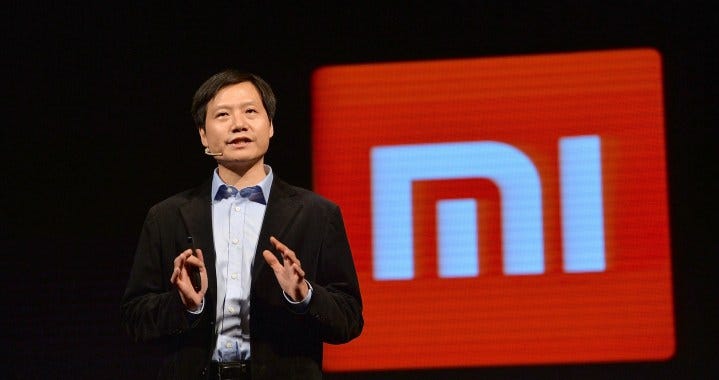
YU7 Isn’t Just a Taller SU7—Lei Jun Says Its Air Filtration Outperforms N95 Standards
Kuai Technology reported on January 11 that, during a recent personal livestream, Lei Jun revisited ...

New-Generation Outlet Malls Are Raising the Bar—and Leaving Mediocre Shopping Centers Behind
Last week, while visiting Shanghai Bicester Village, I stumbled upon a surprising and telling shift:...

“Dog Language Translator Collar” Goes Viral: Priced at RMB 4,000, It Secures RMB 50 Million in Funding
A collar that can “understand dog language” has just secured RMB 50 million in funding. In January, ...
FIBA World Cup Qualifiers: Day 1 Best Five – Hu Jinqiu Leads with 20+12, Naturalized Player from Chinese Taipei Included
FIBA announced the Best Five lineup for the first day of the second window of World ...
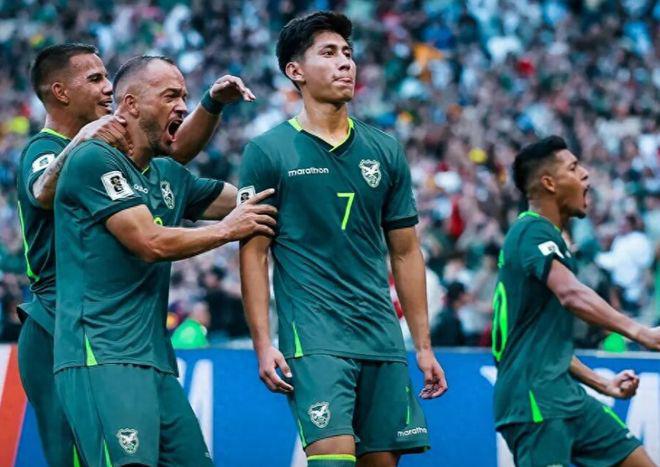
1–0 dramatic winner! A nation of 100 million erupts in celebration, qualifying for the World Cup for the second time after a 52-year wait
On April 1, the DR Congo national football team defeated the Jamaica national football team 1–0 afte...
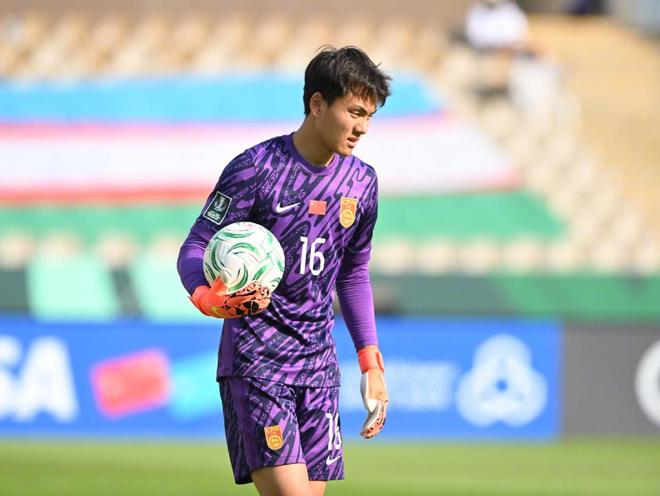
Costly Blunder in CSL! Li Hao’s “Butter Fingers” Error Leads to Goal — 50 Conceded This Season, Du Yuezheng Nets a Last-Second First-Half Strike
In Round 8 of the 2026 Chinese Super League, Chongqing Tonglianglong hosted Qingdao West Coast. Duri...