China’s film and television industry has entered a so-called “cooling-off period,” with fewer productions being greenlit and tighter investment flows. On April 27, a report claiming that “four projects starring the same actor all failed approval” sparked widespread discussion, highlighting increasingly strict platform review and casting standards.
According to data from Q1 2026, the four major platforms launched only 28 long-form dramas—nearly a 50% drop compared to the same period in 2022. Funding has become more concentrated in “pre-determined hits,” typically top-tier IPs paired with high-traffic stars, making it significantly harder for mid- and low-budget projects to pass approval. The “approval process” refers to a pre-production evaluation by platforms and investors, assessing scripts, cast lineups, and commercial viability before granting the green light.
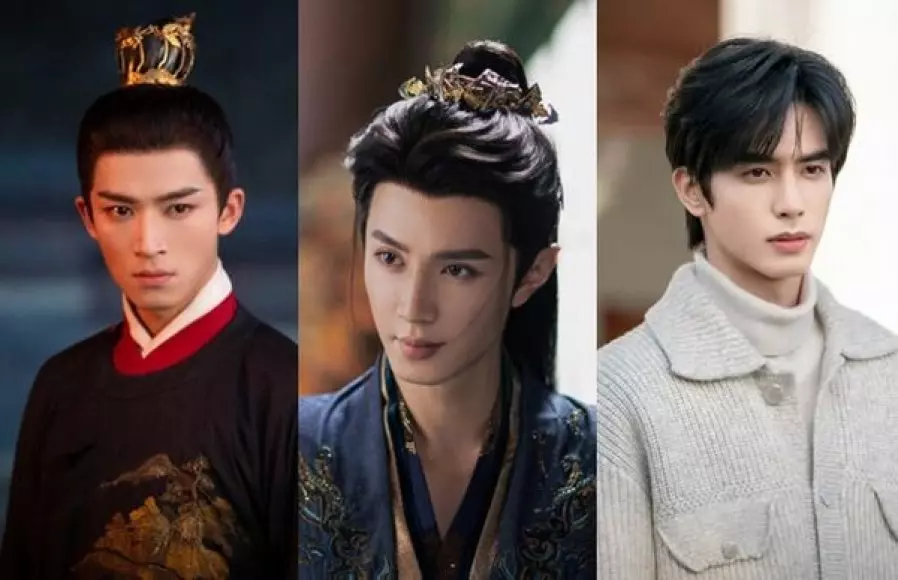
Under these conditions, platforms are prioritizing “low-risk” actors. Industry insiders have pointed to Song Weilong, Wang Xingyue, and Chen Zheyuan as the current “safe bets” for costume idol dramas. Song Weilong benefits from strong public recognition following Go Ahead; Wang Xingyue is backed by strong resource integration and promotion support; while Chen Zheyuan, boosted by the success of Hidden Love, is seen as a reliable choice with stable public image and high cooperation.
However, this “safe list” has also sparked debate. Some insiders argue it reflects only limited project experiences rather than an industry-wide standard. Critics warn that overly conservative casting may lead to homogenization in costume dramas and limit opportunities for emerging talent, potentially harming the industry’s long-term creativity and growth.