Analysis:
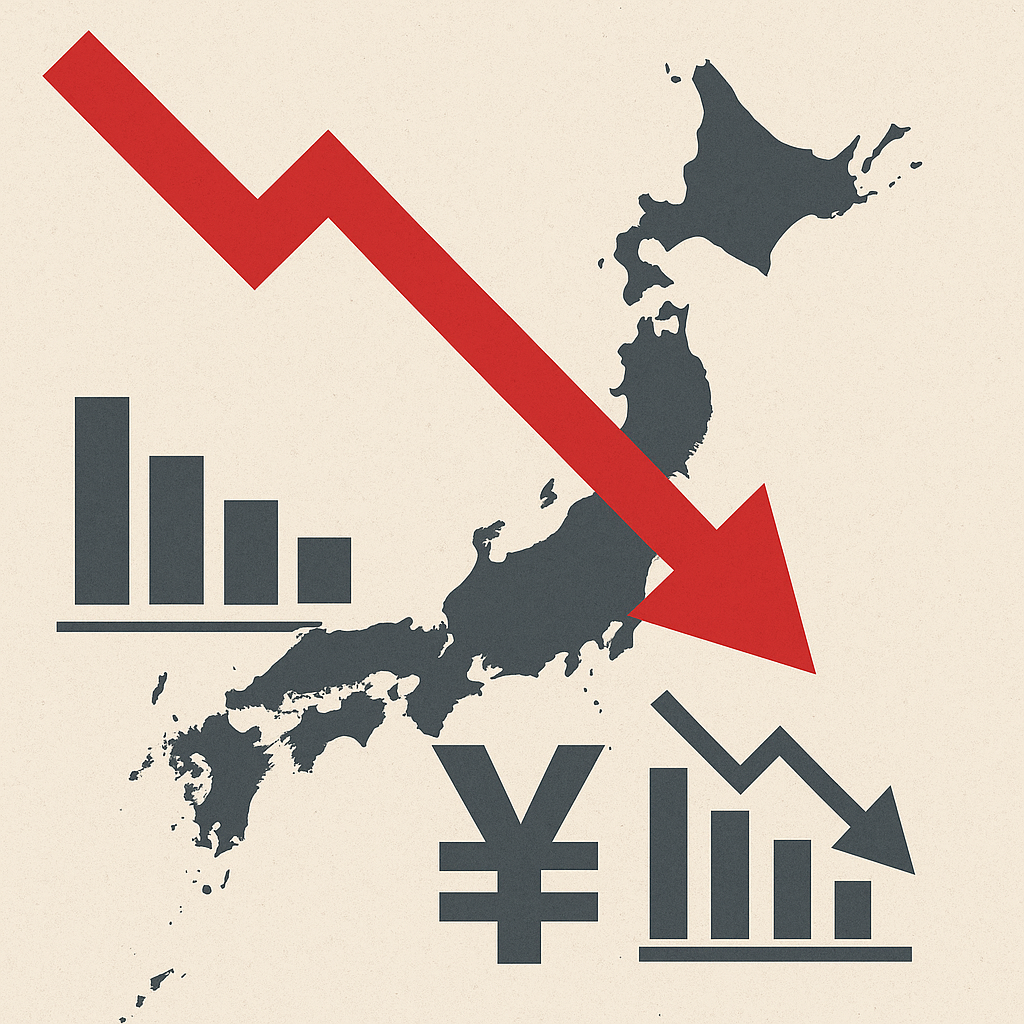
Japan’s current unexpected economic contraction reflects not only domestic structural challenges but also the profound impact of dramatic shifts in the global economic landscape and geopolitical risks on open economies. As a manufacturing powerhouse heavily reliant on exports, Japan’s economic fate is closely tied to the global trade environment. The ongoing U.S. trade protectionism and tariff measures, particularly targeting the automotive and steel sectors, have become significant external pressures weighing on Japan’s economy.
Although the U.S. “reciprocal tariffs” have yet to be fully implemented, market anticipation of trade tensions has already influenced investment and consumption behaviors, leading to weakened Japanese exports and rising imports, turning net exports from positive to negative. This indicates that Japanese companies face not only tariff barriers but also dual pressures from global demand weakening and supply chain realignment. U.S. trade policies towards Japan carry strategic intent to curb Japan’s competitive edge in high value-added manufacturing and to prompt Japanese firms to adjust their global footprint, potentially intensifying economic fluctuations in the short term.
Meanwhile, the continued appreciation of the yen, while lowering import costs in the short term, severely undermines export competitiveness, threatening Japan’s manufacturing status in global markets. The Bank of Japan faces a policy dilemma: it must contain inflation while avoiding excessive harm to economic growth, limiting room for interest rate hikes.
More complexly, domestic consumption is sluggish and real household incomes are shrinking. Despite wage growth reaching a 30-year high, inflation erodes purchasing power, aging demographics, and low consumer confidence hinder private consumption growth. Weak domestic demand deepens Japan’s reliance on external demand, leaving economic recovery on fragile footing.
From an international perspective, intensified U.S.-China technological and trade rivalry, global supply chain restructuring, and slowing global growth further strain Japan’s export-oriented economy. Meanwhile, insufficient demand from emerging markets negatively impacts Japanese trade.
Japan’s future economic trajectory hinges critically on several key factors:
- Progress in U.S.-Japan trade negotiations: Success in easing tariffs on critical sectors like automotive will directly affect exports and manufacturing vitality.
- Global macroeconomic environment: The pace of global demand recovery, especially in the U.S., China, and EU markets, strongly influences Japanese exports.
- Monetary policy adjustment pace: How the central bank balances inflation targets with growth to avoid premature rate hikes that could stifle consumption or destabilize asset prices.
- Strength of structural reforms: Including boosting domestic demand, optimizing the labor market, and enhancing innovation capacity to reduce external vulnerabilities.
In summary, Japan’s economy stands at a pivotal juncture marked by challenges and transformation. In the short term, trade frictions and external demand slowdown may continue to exert pressure, but with flexible policy responses and international cooperation, there is potential for gradual relief and steady structural transition.