Investors might have hoped the turmoil in financial markets last month was over, but renewed volatility in US borrowing costs shows worries remain.
On Monday, the interest rate on the US government’s long-term debt surpassed 5%, reaching its highest level since October 2023, before slightly retreating. This came after Moody’s downgraded the US government’s credit rating last Friday, citing the rising debt over the past decade.
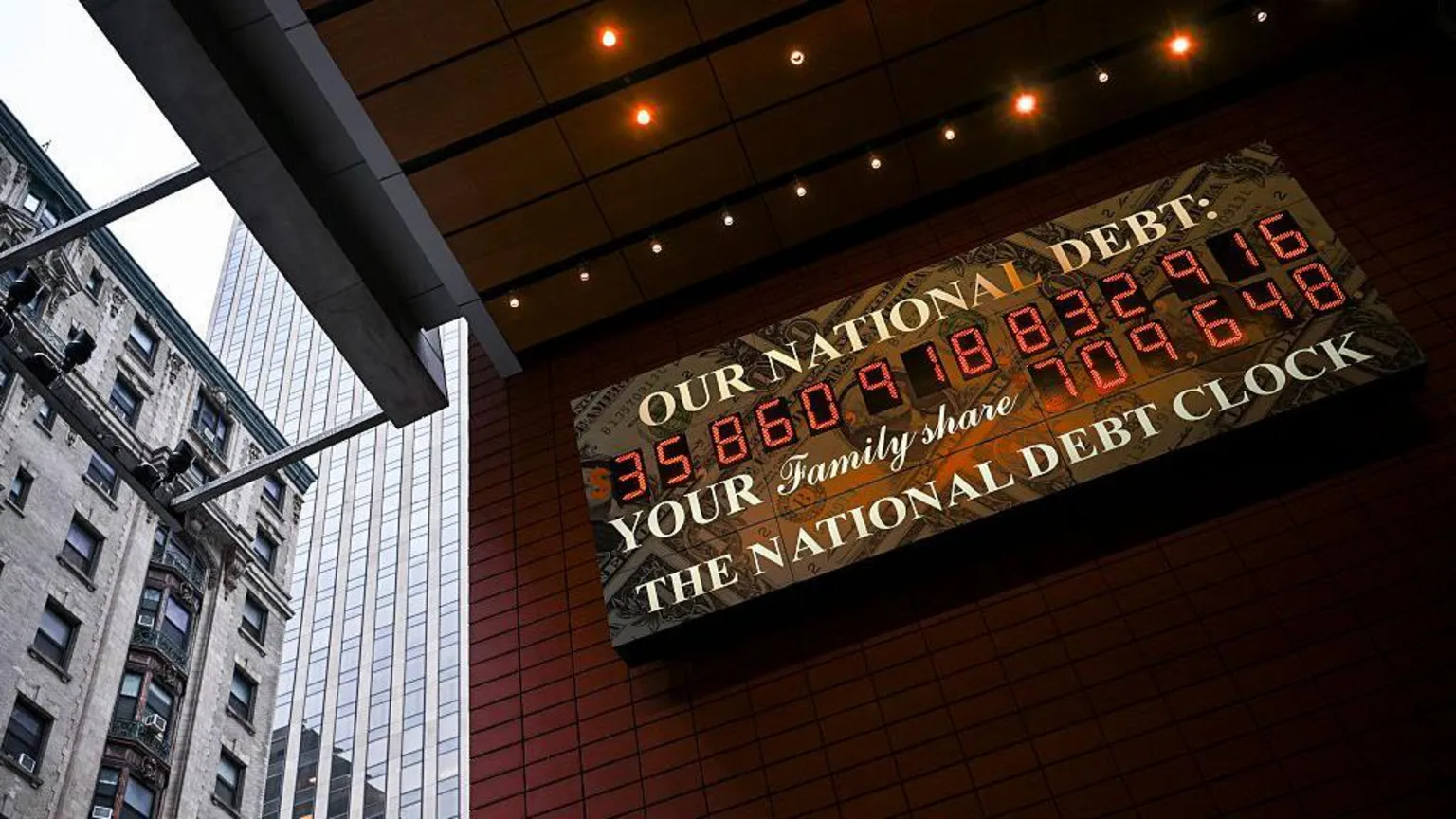
Meanwhile, the US Congress is advancing a tax-and-spending bill expected to add trillions to the government’s $36 trillion debt over the next decade.
What are government bonds?
When governments need to borrow money, they usually issue bonds (also called Treasuries) on financial markets. Investors buy these bonds, providing cash to the government, which repays principal and interest over a pre-agreed period.
Riskier bonds tend to pay higher interest rates (yields). Buyers include pension funds, central banks (such as the Bank of England), and other financial institutions. Some hold bonds to maturity, while others trade them.
Current situation of US bonds
US Treasuries have long been viewed as safe assets, so government borrowing costs have been low. The US economy has been strong, inflation stable, and the government seen as a reliable borrower unlikely to default.
Following the 2008 financial crisis, 30-year Treasury yields hovered around 3%. In October 2023, yields crossed 5% for the first time in 16 years.
On Monday, 30-year Treasury yields rose to 5.04%, up from 4.9% on Friday before the downgrade, then dropped slightly below 5%.
Why are risks rising?
Yields started climbing in 2021 due to soaring prices after the Covid-19 pandemic. Market concerns intensified last month after President Trump’s global tariffs, which analysts say could harm the economy and raise prices.
US debt has grown rapidly with no sign of slowing. Moody’s downgrade highlights growing debt and lack of progress in addressing it. The downgrade, while expected, underscores political and institutional dysfunction that shakes market confidence.
What does this mean for ordinary Americans?
Moody’s warns that by 2035, interest payments could consume 30% of federal revenue, compared to 9% in 2021. Rising debt service costs may squeeze government budgets and public spending.
Importantly, government borrowing rates influence loan rates for households and businesses, such as mortgages and credit cards. Higher government rates mean higher borrowing costs for others.
Small businesses are likely to feel the immediate impact most, while many US homeowners have fixed-rate mortgages lasting 15 to 30 years, lessening short-term effects.
If credit access tightens, economic growth may slow and job losses could result over time. First-time buyers and home movers may also face higher costs.