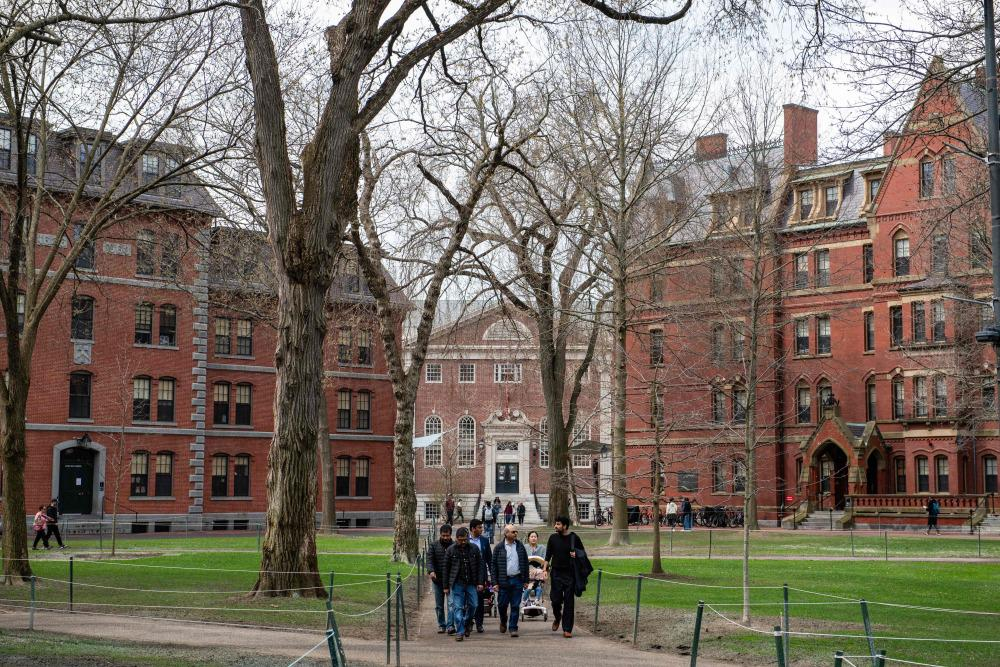
On May 22, the U.S. government announced the cancellation of Harvard University's Student and Exchange Visitor Program (SEVP) certification, effectively banning the school from enrolling international students starting from the 2025-2026 academic year. The decision could affect thousands of current and incoming international students, prompting Harvard to consider legal action.
According to Harvard's data, as of Fall 2023, international students made up over 27% of the total student body, with nearly 6,800 international students from more than 140 countries—most of whom are graduate students.
U.S. Secretary of Homeland Security, Mr. Noam, stated that beginning in 2025, Harvard would no longer be allowed to admit new international students. Current international students must transfer to other institutions or risk losing their legal status in the U.S. Incoming students who have already been accepted will not be able to enroll this fall unless the decision is reversed or blocked by the courts.
The Department of Homeland Security noted that Harvard could have its certification reinstated if, within 72 hours, it submits previously withheld materials, including disciplinary records and audio-visual documentation of international students involved in protests.
Harvard has not yet issued a public response, but many observers believe the university will challenge the decision through legal means, possibly seeking an injunction from a federal court.
Sarah Spreitzer, Vice President for Government Relations at the American Council on Education, commented that while SEVP revocations typically stem from administrative issues—such as inadequate facilities or unqualified faculty—this case, involving political and protest-related concerns, is virtually unprecedented.
Background & Impact Analysis:
While the official reasoning cites safety and compliance, this “admissions freeze” has sparked concerns over academic freedom and tightening immigration policy. Harvard, as a top global institution, relies heavily on its international students for research strength and cultural diversity, making the move symbolic of broader tensions in U.S. higher education.
If implemented, the decision could damage the global reputation of the American academic system and disrupt the plans of thousands of students. Long-term, it could undermine the confidence of prospective international applicants considering study in the United States.