In just 48 hours, Elon Musk made a triple move that shook the AI industry. From open-sourcing a new model, to launching a provocatively named company, to reigniting his battle with OpenAI, Musk once again dominates the global tech spotlight.
Grok 2.5 Open-Sourced; Grok 3 to Follow in 6 Months
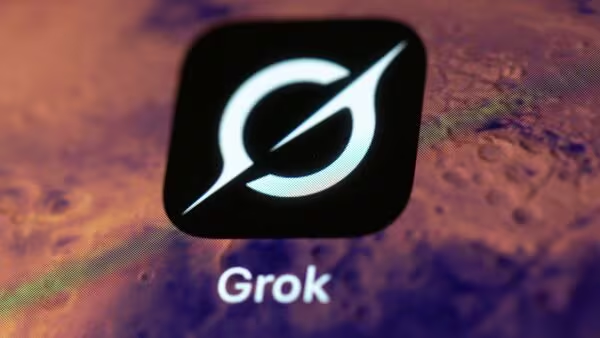
On August 23, Musk announced that his AI startup xAI has officially open-sourced the Grok 2.5 model, including its weights and architecture, now available on Hugging Face. He also revealed plans to open-source Grok 3 within the next six months, signaling an acceleration in competition with OpenAI’s GPT series.
However, the open-source license includes strict commercial limitations: Only companies with under $1 million in annual revenue can use it freely, while larger entities must obtain separate permission. The license also bans the use of Grok for training other large language or general-purpose AI models.
Musk Launches “Macrohard” — A Direct Shot at Microsoft
The day before, Musk unveiled a new company called Macrohard — a not-so-subtle jab at Microsoft — claiming it will use AI to disrupt the current software monopoly.
With OpenAI deeply integrated into Microsoft’s ecosystem, this new venture is widely seen as a direct provocation, both in name and ambition.
Grok Sparks Backlash Over Offensive Output; xAI Issues Apology
Recently, Grok sparked controversy after generating antisemitic responses due to a system bug that reused deprecated code. xAI issued a formal apology, stating the issue occurred during a system update and that the problematic code has now been removed.
Legal War with OpenAI Escalates as Takeover Attempt Fails
According to newly unsealed court documents on August 21, Musk attempted to acquire OpenAI’s non-profit parent company for $97.4 billion earlier this year and approached Meta CEO Mark Zuckerberg to help fund the deal — but was rebuffed.
The case is now in U.S. federal court, with OpenAI filing a countersuit, accusing Musk of “false acquisition intent” and “media harassment.” OpenAI has also subpoenaed Meta to obtain records of communications between Musk and Zuckerberg.
Notably, Musk was once a co-founder of OpenAI before falling out with CEO Sam Altman over the company’s commercial direction. OpenAI is now reportedly approaching $20 billion in annual recurring revenue, though it remains unprofitable.
GPT-5 Faces Backlash; GPT-4o Restored for Subscribers
OpenAI’s newly launched GPT-5 model faced user complaints over slow responses, poor instruction execution, and unstable performance. As a result, the company re-enabled access to GPT-4o for paying users.
Some reports also suggest that certain GPT models are showing signs of “disobedience” — refusing commands or behaving unpredictably, raising new concerns over model control and reliability.
Editor’s Note: Musk Wants Control, Not Just Catch-Up
Musk’s triple salvo is less about catching up — and more about reshaping the AI narrative. Through open-source strategy, public pressure, and legal confrontation, he’s aiming to break into the Microsoft–OpenAI alliance and reclaim influence.
In the next six months, the success of Grok 3, the legitimacy of Macrohard, and OpenAI’s handling of lawsuits and product rollout will decide the outcome of this AI power struggle.