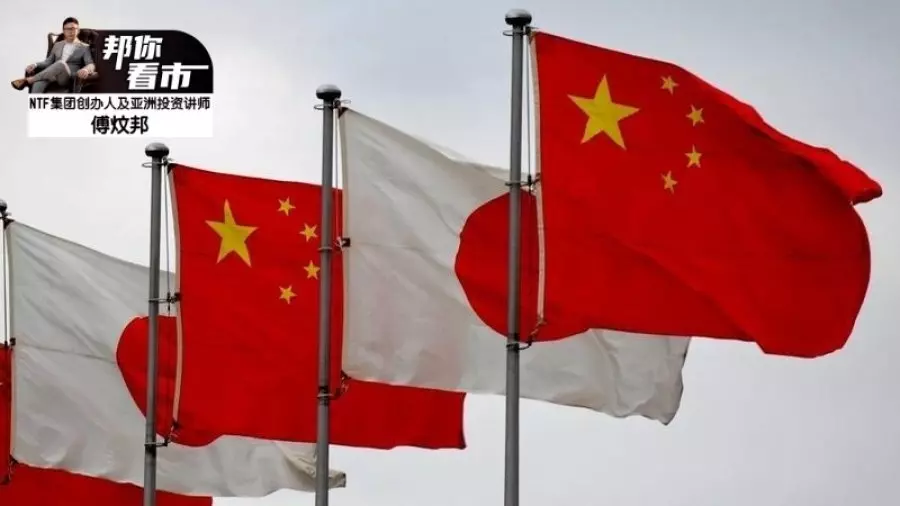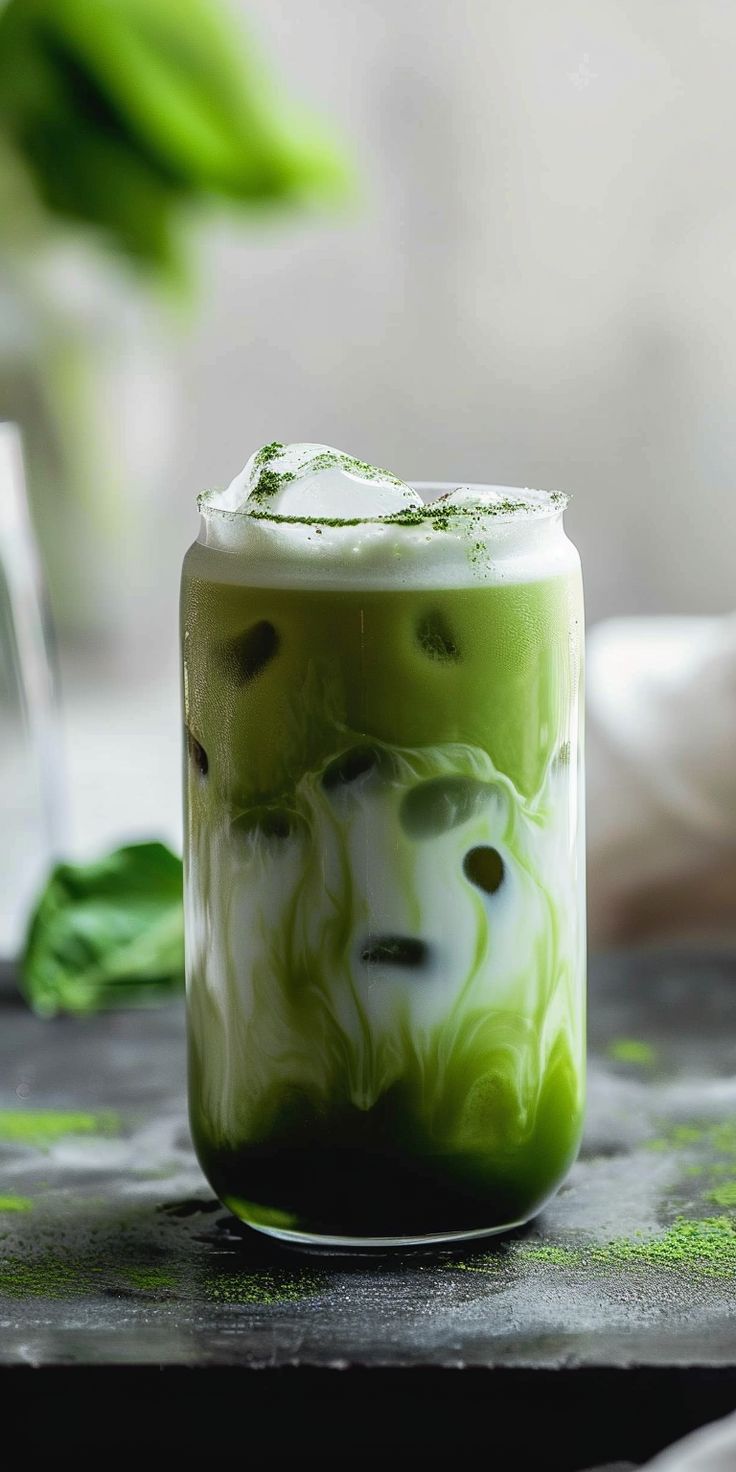
This summer’s food delivery wars were blazing hot — and so was the milk tea craze. Among the rainbow of flavors on every milk tea shop’s menu, one green star consistently shines: matcha. From matcha milk tea to matcha lattes, matcha jelly to matcha foam caps, brands are racing to infuse this vibrant flavor into everything possible. In 2024 alone, beverage companies launched 73 new matcha-based drinks, with HeyTea’s “Triple Thick Matcha” selling nearly 10 million cups in just two months after its late-2023 debut. For matcha lovers — those who swear by “a little green every day” — it doesn’t stop at drinks. Matcha cakes, cookies, ice cream, chocolates… you name it, they want it. But here’s the surprise: despite its Japanese-sounding name, most of the matcha in your favorite drinks and desserts comes from China.
Matcha’s roots trace back to China. In the Southern Song Dynasty, Japanese monk Eisai brought the method of making powdered green tea back to Japan. There, it became a cultural icon — a pillar of Japanese tea ceremony. True matcha isn’t just any green tea powder. The tea leaves, known as tencha, must be grown under shade, boosting levels of amino acids, caffeine, chlorophyll, and polyphenols — giving matcha its signature flavor. In Japan, the finest “first flush” matcha (ichibancha) is whisked with hot water and savored ceremonially — never baked into cookies or blended into frappés. By contrast, the matcha used in snacks, ice creams, and chocolates is typically E-grade — mass-produced, machine-harvested, and prized for affordability rather than aroma.
Outside Japan, most people know matcha through these E-grade products — and here, China dominates. As early as 2020, China became the largest matcha producer in the world, making 3,916 tons that year, surpassing Japan’s sub-3,000-ton output. By 2024, China’s total was projected to exceed 5,000 tons. Unlike Japan, where ceremonial use is still central, 70% of Chinese matcha goes into food processing — the very powders in your matcha lattes, biscuits, and chocolates. Zhejiang and Guizhou are China’s twin matcha capitals. Zhejiang’s decades of steady growth, with production roots dating back to the 1980s, have made it the largest matcha region globally. Guizhou’s rapid rise since 2017, driven by government support and ideal high-altitude, cloudy conditions, has earned it the nickname “China’s Matcha Capital.” In Guizhou’s Tongren City alone, factories produce 1,300 tons annually — about a quarter of Japan’s entire output — while employing nearly 100,000 tea farmers.
Japan hasn’t abandoned matcha — in fact, it’s a major export. In 2024, nearly 60% of Japan’s green tea exports were in powdered form. But production struggles to keep pace with demand due to severe farmer aging, shrinking tea fields, and climate stress. Three-quarters of tea growers are over 60, cultivation area has fallen by 25% since 2008, and extreme heat since 2020 has repeatedly hurt yields. The result: iconic brands like Ippodo and Marukyu Koyamaen faced shortages in 2024, with some products rationed or suspended. Premium Japanese matcha now sells for as much as $89 for 40g — far from everyday affordability.
From Starbucks’ matcha drinks to your favorite “Uji matcha” cookies, the green powder inside is very likely 100% Chinese. While Japan’s matcha legacy remains iconic, China’s unmatched scale, favorable growing conditions, and industrial efficiency have made it the quiet supplier behind much of the world’s matcha boom. The next time you sip that creamy green latte, remember — it’s not just delicious, it’s a taste of modern Chinese agricultural power.