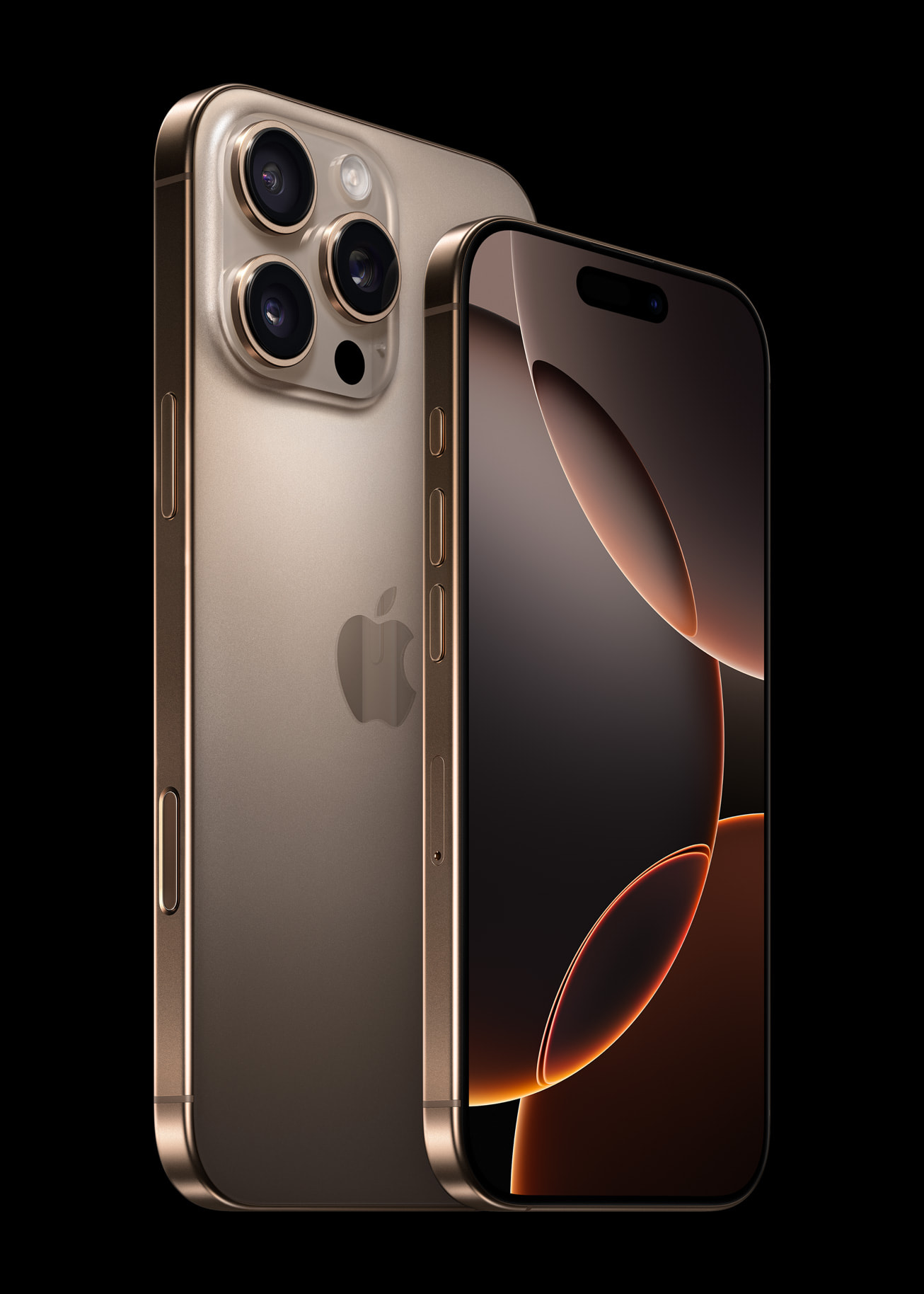
On September 10, 2025, Tim Cook finally unveiled the highly anticipated iPhone 17. While headlines celebrated Apple’s “squeezed-to-the-limit” hardware upgrades, one element was surprisingly underplayed—Apple Intelligence. Industry commentators quickly noted that the iPhone 17’s AI features were mostly supportive or system-level enhancements—useful, but hardly transformative. Unlike the fanfare around Apple’s design, chips, displays, cameras, and cooling systems, AI was barely mentioned in most early reviews of the China-market models released on September 17. In stark contrast, Google’s Pixel 10 launch was drenched in AI. With four new models, “Gemini” was the buzzword, integrated seamlessly across phones, watches, and earbuds. Meanwhile, leaks of OpenAI’s upcoming pocket-sized, context-aware hardware—expected as early as 2026—added more excitement to the AI hardware race. Apple may have delivered impressive hardware updates, but on AI, it still feels like the company is holding back.
The key question isn’t whether AI adds new functions, but whether it redefines the smartphone itself. History provides a warning. When the first iPhone launched, Nokia dismissed it as just “a phone with a bigger screen.” Apple, of course, proved otherwise. Could Apple now be underestimating AI in the same way? AI has the potential to redefine operating systems—moving from “connected devices” to true “intelligent systems” capable of functioning even offline with powerful on-device models. It can reinvent interaction—shifting from “users searching for apps” to “AI anticipating needs” and executing tasks through agents, much like Iron Man’s JARVIS. It can also restructure knowledge management—organizing, storing, and retrieving information automatically without manual effort. In this future, the smartphone isn’t simply a device with AI features—it becomes a black box of intelligence, with AI at the core of its identity.
The competitive edge will no longer rest on faster chips or brighter screens, but on who builds the most powerful AI ecosystem. This echoes Steve Jobs’ 2007 revolution: the iPhone wasn’t about better hardware, but about a new way to interact with technology. Similarly, the decisive factor in the AI era won’t be “how many AI features a phone has,” but whether AI defines the phone itself—interfaces, resource allocation, and user experience. If Apple hesitates, history may repeat itself.
Just as the shift from feature phones to smartphones created app stores and thriving developer ecosystems, the AI era will reshape the entire value chain. Operating systems will evolve into AI agent platforms. App stores will give way to AI-driven service calls, transforming developers from app sellers into service providers. Model providers such as Google, OpenAI, Anthropic, and Microsoft will become the new “brains” of the system. Hardware makers must deliver AI-friendly chips optimized for local inference. Users will transition from passive tool users to active beneficiaries of AI assistants. This transition threatens Apple’s golden goose—the App Store. With AI assistants bypassing app downloads and directly invoking services, the traditional 30% revenue cut faces an existential challenge.
Apple hasn’t ignored AI entirely. Its Apple Intelligence strategy blends on-device AI with private cloud processing, emphasizing user privacy. Writing Tools allow rewriting, proofreading, and summarization. Summarize condenses emails and notifications. Image Playground enables creative generation, while Genmoji creates custom emojis. Apple insists that personal data stays on-device whenever possible, while cloud processing on its M-series servers is temporary, secure, and privacy-audited. But here’s the problem: the user experience lags behind independent apps like ChatGPT, Gemini, and Grok. Worse, the very success of Apple’s current ecosystem—the App Store—faces disruption from AI’s new service-first model.
Nokia once dominated mobile phones, with over 40% market share at its peak. But when smartphones redefined the market, its Symbian OS couldn’t keep up, and by 2013 Nokia’s mobile business was sold to Microsoft. Apple risks falling into the same trap. iOS today sells strongly, but the real battle is whether it can evolve into an AI-native OS. If not, Apple could find itself on the wrong side of history’s next paradigm shift.
Apple faces both crisis and opportunity. On one hand, Siri has stagnated for years, lacking true conversational depth. Apple’s cautious stance on privacy and architecture has slowed its AI momentum. On the other hand, with Apple Intelligence, the company can deliver a unique, privacy-first AI experience—if it can scale it quickly and match user expectations. The stakes are clear. Just as Nokia underestimated the smartphone revolution, Apple cannot afford to underestimate the AI revolution. If it treats AI as just another “feature,” it risks losing leadership in the very era it once defined.
The bottom line: AI is not just another upgrade. It is a paradigm shift, capable of rewriting the rules of mobile technology. If Apple doesn’t seize the moment, the next chapter of smartphone history may be written without it.