Which other industry would dare speak to its customers this way?
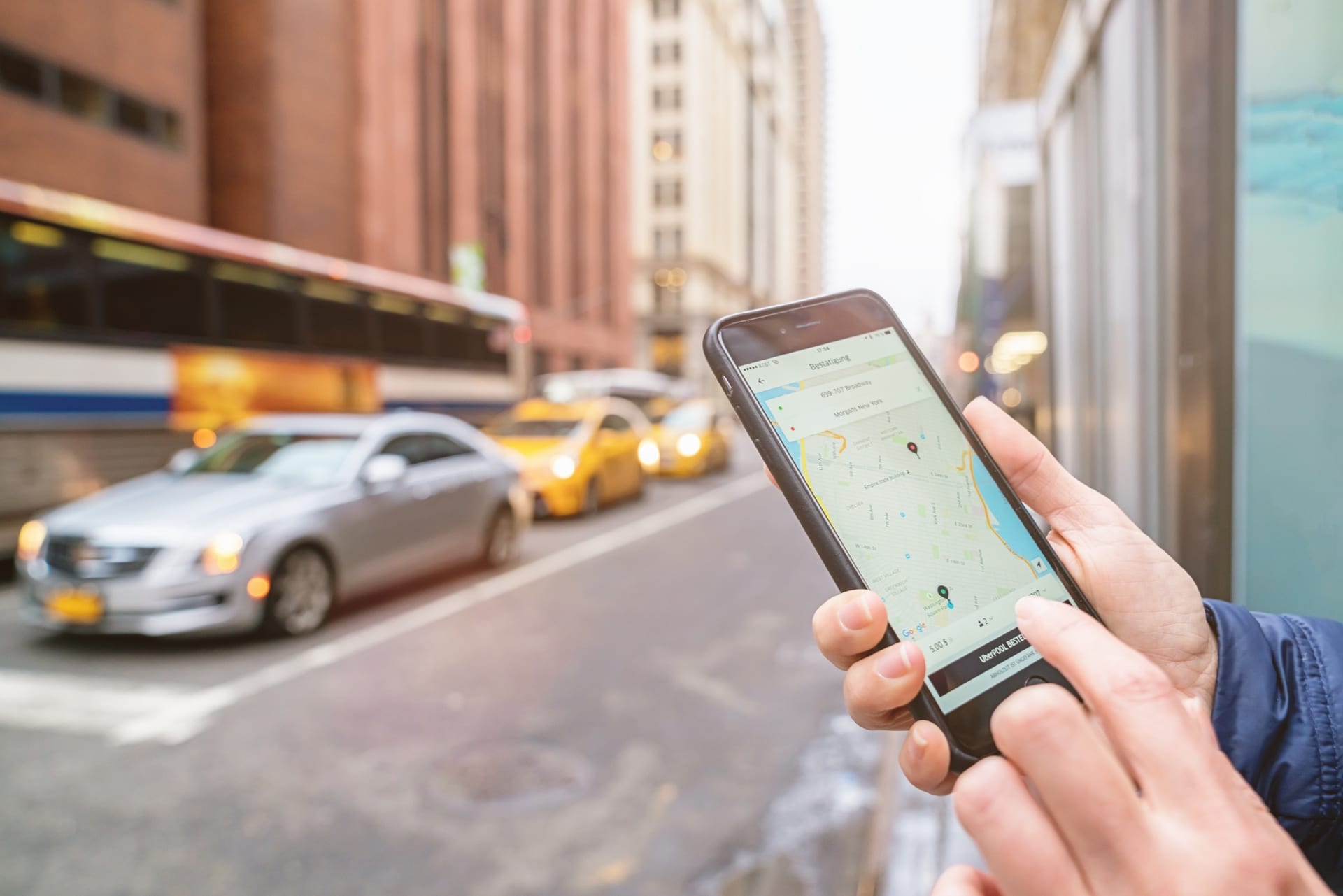
Somewhere along the line, hailing a ride online became a blind-box experience — the kind of driver you encounter depends entirely on luck.
On social platforms, stories of chaos and bizarre encounters appear everywhere.
It’s astonishing. No other service sector carries this much resentment or unleashes such colorful language at its own customers.
Of course, there are the tough ones and the “soft but unreasonable” ones. A colleague of mine once got into a car during a scorching summer day. The driver told her he had a condition that made him carsick whenever he turned on the air conditioning, so for “safety reasons,” he couldn’t use it. My colleague calmly responded, “Sir, here’s my driver’s license. I’m perfectly fine. How about I drive instead?”
In the end, the driver grumbled and switched on the air conditioning.
This widespread frustration largely stems from fixed-price rides and “special discount orders.” Because fares are low, drivers work long hours yet earn very little. Over time, that pressure turns into anger.
But here’s what’s odd — since when does paying a cheaper fare mean passengers deserve to be scolded? I used to live in an old urban village, riding a two-yuan motor tricycle to the metro every day. Even those drivers never spoke to customers like that.
Protecting carrot fields… and protecting drivers
To address this growing tension, cities across China have begun restricting fixed-price ride orders.
In recent months, Ningbo, Xi’an, Chongqing and others have introduced measures to manage fixed-price rides, aiming for transparent pricing systems and stronger driver protections.
The approaches vary, but the intention is clear: protect drivers’ rights and income.
Fixed-price rides are the cheapest option available. Once a passenger selects a starting point and destination, the fare is locked in — even if there’s heavy traffic or a detour.
Naturally, passengers love this. No matter how long the road is jammed, the cost won’t increase, and there's no fear of intentional rerouting.
But for drivers, this can mean working harder for less, or working harder for nothing. Regulators have received waves of complaints from drivers, which eventually prompted policy action.
But here’s the big question: By banning fixed-price rides, are we really improving driver income and protecting their rights?
A functioning ride-hailing market requires both drivers and passengers
For ride-hailing to work, people must book rides. This is a two-party system. If you protect only one side, what do you think happens next?
The negative ride-hailing experiences mentioned earlier occur nationwide. Other than posting a complaint online, what else can passengers realistically do? Has any misbehaving driver actually been punished or even warned?
There’s an old joke about poor service in state-run stores: a sign on the wall says “No beating or scolding customers.” At least there was some self-awareness. But ride-hailing? Screenshots of rude, dismissive comments are openly displayed, targeting every passenger, as if blaming customers could magically cure driver frustration.
A car is a tiny space. When hostility appears in that confined environment, passengers cannot escape — they absorb the full blast of that emotional garbage.
When choosing a ride type, passengers are essentially choosing their fate.
Beyond the eternal debate over air conditioning, there’s the perennial issue of unpleasant, unclean cars. You never know what awaits behind that door. And the chance of encountering a genuinely pleasant ride feels more and more like winning the lottery.
Passengers simply want a convenient, comfortable trip. Instead, it becomes an unexpected emotional drain.
As the saying goes: Everything in this world has its price — whether openly displayed or silently implied.
The cheaper the ride, the more you pay in other ways.
If fares were higher, would everything improve?
For a single trip, maybe. Pay more, get better service, everyone leaves happy.
But for total ride volume? That’s another story.
Premium services already exist. Some drivers wear suits, open doors for passengers. But how many trips do they get a day? Think of commercial aviation. Are there more seats in economy class or in business class? If airlines flew only private jets and business cabins, could they sustain pilots and cabin crew?
If only top-tier drivers operate premium rides, could everyone afford them? And if not… we’re right back to looking at the basic market.
And who is the basic market?
That’s right — the vast majority of everyday passengers.
Drivers often assume that people choosing fixed-price or discounted rides do so because they want to make drivers suffer, as if passengers are out to “destroy” them.
But here’s the truth: A person who chooses a 10-yuan ride will not suddenly choose a 20-yuan ride just because fixed prices are gone.
They’ll simply take the subway.
And once insulted by a driver, no passenger will voluntarily spend more. Customers aren’t that masochistic.
The ride-hailing market was not ruined by passengers — it was ruined by a small group of drivers who refuse cheap orders yet explode at the passengers who take them. As one driver admitted in an interview, fixed-price rides are indeed unprofitable during rush-hour traffic, but drivers always have the freedom to turn them off. When rides are scarce, these same orders help fill idle time. The drivers who resort to insulting passengers are often the same ones who used to overcharge, detour, or refuse passengers back in the taxi era.
Drivers and passengers should be a community of shared interest
Remember how ride-hailing first overtook traditional taxis to become the preferred way to travel?
Remember the era before regulations, when passengers even helped drivers avoid strict inspections?
It was because rides were affordable.
Drivers and passengers should be moving toward the same goal: reaching the destination quickly and safely.
Beijing’s roads are complicated. Many passengers help drivers navigate and part with a kind “Drive safe.” Once, I encountered a rookie driver who couldn’t handle a complex interchange. I guided him through it and reassured him not to panic. He paused the meter and apologized repeatedly. That was what human respect used to look like.
Work always has its smooth moments and its difficulties. In any industry, once the contract is signed and the price is set, you either do the work or step aside.
Everyone works hard. If we calculate work hours the way some drivers do — from the moment you leave home until you return — then every worker in every profession is “exhausted.”
Drivers and passengers both struggle. So who’s actually winning?
It’s like the high return rate during Double Eleven: sellers and buyers blame each other, yet the party truly profiting stays conveniently invisible.
Perhaps instead of focusing solely on fare structures, regulators should pay more attention to platform responsibilities. Are commissions reasonable? Is management fair? You can’t stare only at the flies while ignoring the elephant in the room.
Blaming passengers for industry hardships is nothing more than mutual harm among those at the bottom.
And at the end of that cycle, when no one books rides anymore, everyone loses — especially the drivers.