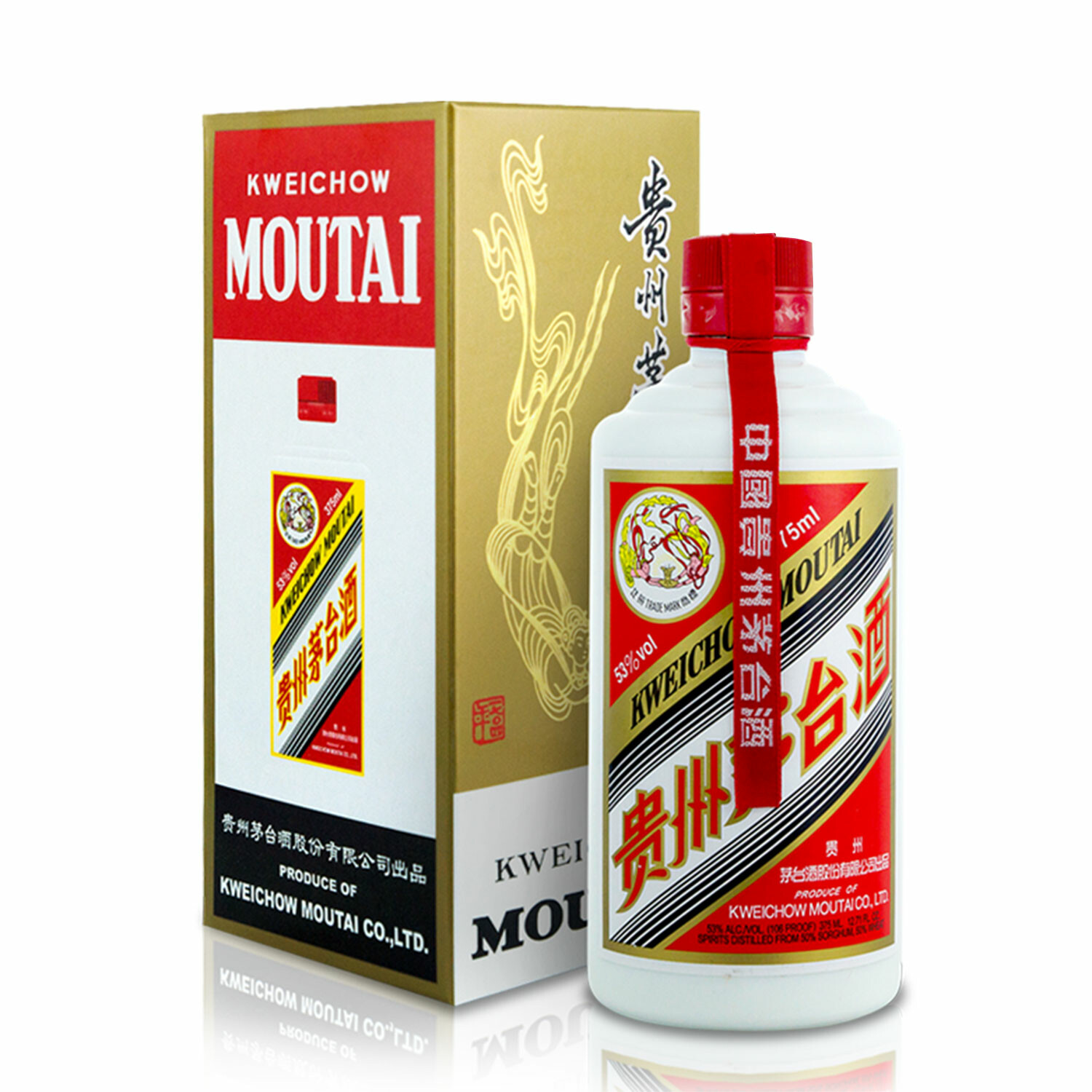
Up just two months into the role, Moutai Chairman Chen Hua has already rolled out another major move.
On December 28, the National Moutai Liquor Distributor Association Conference was held in Guiyang. Attendance exceeded 2,000 people, marking a record-breaking scale for the event.
“We can’t keep ‘making money while lying down’ like in the past,” Chen said.
He set this year’s theme as: “Staying Consumer-Centric and Fully Advancing the Market-Oriented Transformation of Moutai’s Marketing.”
Over the past 10 days, Feitian Moutai has launched a round of price “defense,” signaling management’s clear stance on stabilizing the market.
Looking ahead to 2026, Moutai’s product and channel strategies—and its approach to balancing volume and price—are set to change. The biggest headline: the company will no longer rely on a distribution-based model.
Stability Comes First
“Make the market more stable.”
At the conference, Chen announced that in 2026 Moutai will dynamically adjust supply based on real market demand, aiming to optimize allocation and strengthen the overall product structure.
In other words, the core of market-oriented reform is matching supply to demand. “We must do everything possible—and try our absolute best—to prevent price speculation,” Chen emphasized.
Management also reiterated a consumer-first strategy: making products better aligned with consumption needs, while further optimizing product structure and the pricing system.
More specifically, Moutai plans to build a “pyramid-shaped” product lineup:
At the base is the 500ml Feitian Moutai (the classic flagship).
In the middle tier, Moutai will strengthen products such as Moutai Boutique and Zodiac editions, with a clear ambition: to turn Boutique Moutai into another major blockbuster product.
At the top, premium offerings such as aged Moutai and cultural-themed products will see a measured reduction in planned supply, helping preserve high-end value.
Chen also called for pricing that “moves with the market.” In his view, only scientifically reasonable pricing can deliver a win-win: stronger reputation and stronger marketing performance.
The message is clear: Moutai is pursuing a healthier, more sustainable product structure and pricing system—rather than chasing short-term volume at any cost.
“When Moutai’s prices returned to a more rational level, the consumer base expanded,” China’s independent alcohol industry commentator Xiao Zhuqing told 21CBR. “Middle-class households, small and mid-sized business owners, and independent operators are increasingly willing to use Moutai to host friends and family.”
As the user base grows with more accessible pricing, Xiao believes bottle-opening rates could rise significantly.
In 2024, Moutai recorded revenue of RMB 174.1 billion. Based on the 6.32% growth rate reported for the first nine months of this year, full-year revenue may surpass RMB 180 billion.
Ending the Distribution Model
“No more distribution.” That was Chen Hua’s most consequential policy signal.
Previously, Moutai’s provincial sales companies distributed products to agents at roughly 90% of the suggested retail price.
But for some products beyond the 500ml Feitian Moutai, market prices fell below suggested retail levels—intensifying losses and pressure on agents.
“When the market is strong, it’s manageable. Right now, the pressure is definitely heavy,” one distributor said.
By ending distribution in 2026, Moutai is effectively reducing the burden on the channel.
The shift is bigger than a single rule change:
It’s a move from “produce first, then sell” to “sell first, then produce.”
It’s a move from the distribution model to an application-based allocation model—where the market signals its needs, and the producer supplies accordingly: no forced inventory, no imposed quotas.
Chen said he wants to work with channel partners to build a “clean and constructive” manufacturer–dealer relationship—one that is close, but disciplined; cooperative, but principled.
He also made his stance explicit: everyone must earn their results. No more “lying down to make money,” and no more situations where “good work and bad work are treated the same.”
For distributors, the direction is equally clear: transform the operating mindset. The focus should shift to precisely reaching consumer groups, delivering high-quality experiences, and creating value through deep market cultivation.
Chen specifically highlighted online efforts:
Use i Moutai more effectively, strengthen oversight of existing e-commerce channels, and gradually introduce new platforms with proven capability, credibility, and compliance.
At the same time, Moutai will encourage qualified channel partners to open authorized online stores, building a wider, more compliant, and more transparent online channel network.
A Broader Customer Strategy Shift
Notably, Moutai is also launching a customer-base strategy transformation in parallel.
Channels are being asked to expand deeper into new-economy and new-business-format consumption, as well as personal scenarios such as family banquets and private gatherings. Using data—such as the number of large-scale enterprises—Moutai plans to model and identify regional consumption potential.
This signals a future where Moutai’s channel footprint is determined less by legacy arrangements, and more by each market’s real needs—and each partner’s ability to understand and serve those needs.
From product optimization, to ending distribution, to pushing compliant online expansion, the new leadership’s tactical overhaul is already reshaping what the next Moutai will look like.