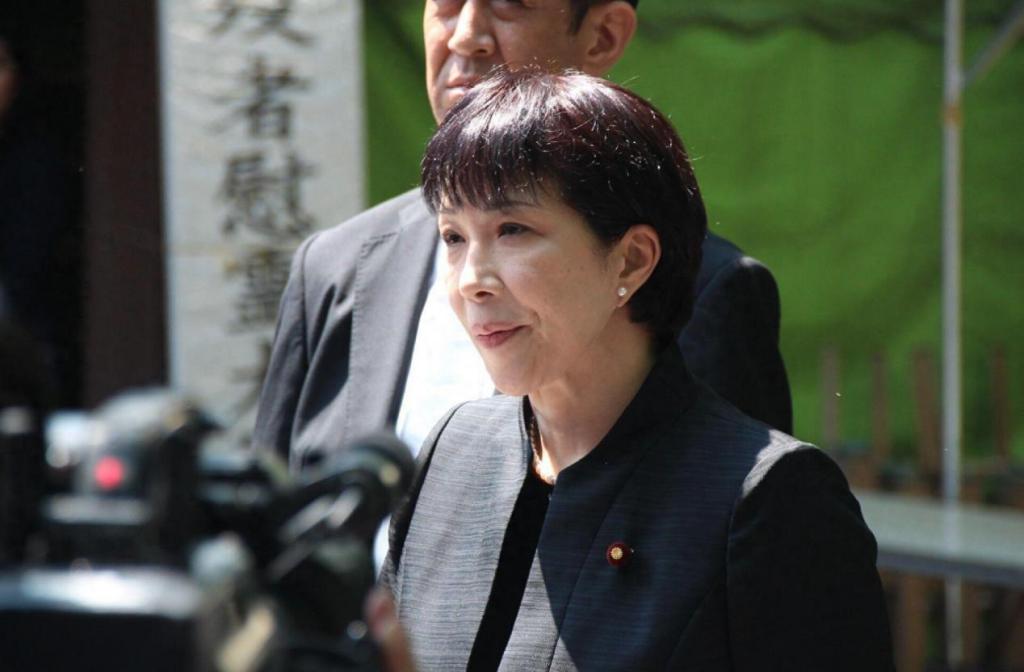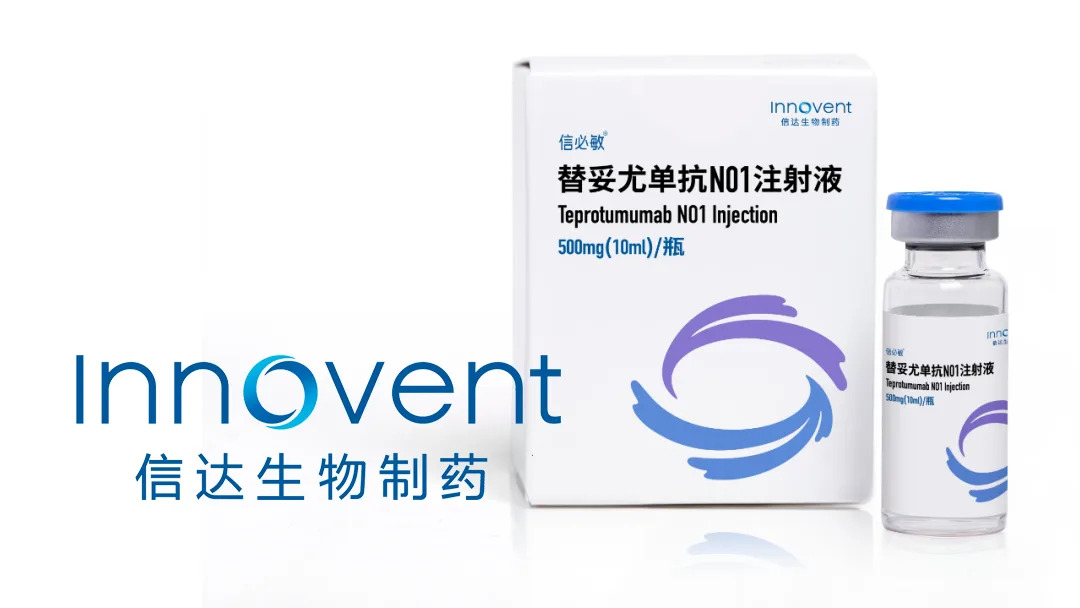
Blue Whale News, January 4 (Reporter: Tu Jun) — The updated National Reimbursement Drug List officially took effect on January 1, 2026. In a major early milestone, the first prescription issued nationwide after reimbursement coverage began was written for Innovent Biologics’ teprotumumab N01 injection (XINBIMIN) for thyroid eye disease (TED). The prescription was issued by the team led by Academician Fan Xianqun at Shanghai Ninth People’s Hospital, affiliated with Shanghai Jiao Tong University School of Medicine.
The drug is being recognized as the first domestically developed targeted therapy for TED in 70 years. TED is a common orbital disease affecting more than 4 million patients in China, often causing eye bulging (proptosis) and vision impairment, while historically offering limited effective treatment options.
As China’s first—and currently the only—targeted therapy covered by national medical insurance that can reverse proptosis, teprotumumab has delivered notable clinical outcomes. Data cited in the report show a proptosis reduction response rate of up to 85.8%, with an overall eye-related efficacy reaching 94.2%. Following inclusion in the reimbursement list, the drug’s price has dropped by approximately 60%, and insurance reimbursement is expected to significantly reduce the financial burden on patients. Since receiving approval for the TED indication in early 2025, the therapy has already seen broad clinical adoption across China.
Industry observers noted that under the National Healthcare Security Administration’s unified rollout, the 2025 edition of the National Reimbursement Drug List became effective nationwide on January 1, 2026. From that date, newly listed medicines are technically eligible for reimbursement. However, for patients to access them in hospitals in practice, several key steps are still required—such as listing the medicine on provincial procurement platforms and completing hospital pharmacy committee reviews to add the product to each hospital’s formulary.
Li Yanshou, Vice President of Innovent Biologics, previously said in a media interview that throughout 2025 the drug had already achieved various forms of hospital access at nearly 100 hospitals in China. These routes included formal formulary inclusion, temporary procurement as a stocked clinical need, and direct integration with hospital HIS (Hospital Information System) workflows. With XINBIMIN now included in the national reimbursement list, the company’s next focus will be supporting hospitals as they convene pharmacy committee meetings for negotiated products and advance formulary inclusion.
On January 1, Sun Jing, Chief Ophthalmologist at Shanghai Ninth People’s Hospital, issued the first reimbursable prescription for teprotumumab N01 to a 38-year-old patient, Mr. Yu. Mr. Yu first sought medical attention in May last year for bilateral eyelid swelling, worsening eye bulging, and double vision. He was diagnosed with TED at a local hospital and treated with conventional steroid therapy, which briefly reduced redness and swelling but only for two to three days, while his proptosis continued to worsen.
Mr. Yu later visited the ophthalmology department at Shanghai Ninth People’s Hospital, where he was diagnosed with moderate-to-severe active TED. After starting treatment with the targeted therapy teprotumumab N01, his proptosis receded, ocular inflammation improved significantly, and his double vision also showed signs of relief.
During the 2025 reimbursement negotiations, Innovent Biologics had seven innovative products successfully added to the updated National Reimbursement Drug List (2025). The company has launched 17 innovative medicines to date, with 12 now included in the national reimbursement catalogue.