A New Option Emerges for Seres?
At the start of 2026, Seres’ performance on the A-share market presents a puzzling divergence. Its f...
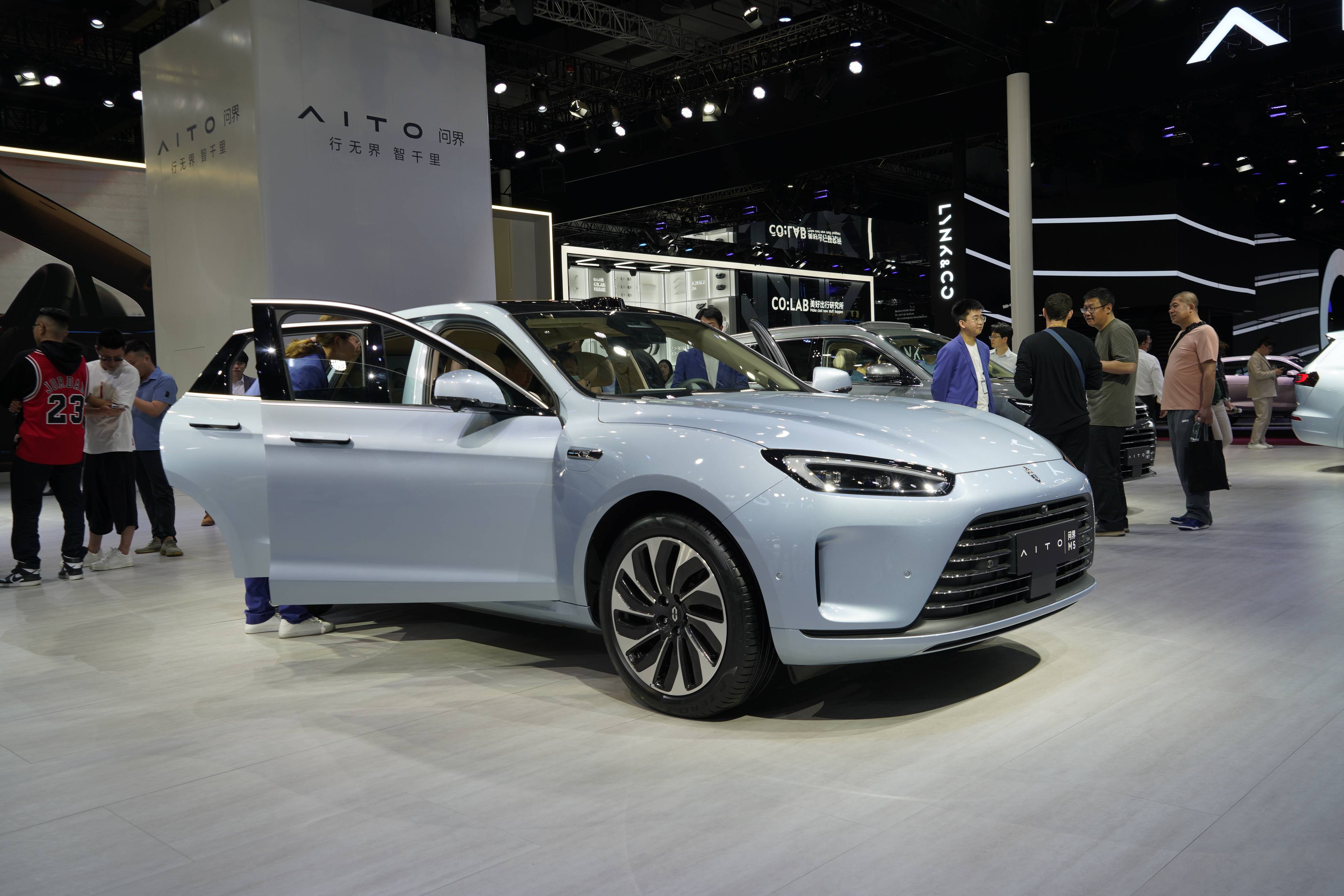
At the start of 2026, Seres’ performance on the A-share market presents a puzzling divergence.
Its financial statements remain polished, delivery figures are undeniably strong, yet the stock price tells a different story. Even after the AITO brand topped monthly sales rankings in January 2026, posted more than 10% growth for full-year 2025, and officially announced the M6, the share price showed no sign of a meaningful rebound.
Amid this mounting unease, Seres has offered an answer—one that comes in the form of a new company with a symbolic name: “Phoenix.”
In January 2026, corporate registry data quietly revealed the establishment of Shanghai Seres Phoenix Intelligent Technology Co., Ltd., with registered capital of RMB 50 million and full ownership by the Seres Group. Its stated business scope cuts straight into the heart of artificial intelligence: intelligent robotics R&D, foundational AI software, and theoretical and algorithmic AI development.
Once crowned by the capital markets as the “flagship beneficiary of Huawei ADS sentiment,” Seres now finds itself at a precarious crossroads. This is not a short-term fluctuation, but a collective anxiety triggered by a weakening of the underlying narrative. Investors are recalculating the true value of being a “Huawei partner.”
The temperature gap widens as dividends fade
Rewind two years, and Huawei flagship stores were packed with customers drawn almost exclusively by AITO. At the time, AITO was the only four-wheel intelligent terminal in Huawei’s showrooms, enjoying unparalleled exposure and attention.
Today, the center of gravity has shifted. Zhijie and Xiangjie now occupy the most prominent positions in Huawei stores. Feedback from sales staff at core locations in Beijing and Shanghai suggests that many customers now look past the AITO M9, gravitating instead toward the more executive-styled Zunjie, the aggressively designed Xiangjie, or the more value-oriented Zhijie.
Has Seres made a mistake? Not at all. AITO remains a solid product, and the Chongqing super factory continues to deliver at efficiency levels that surpass many new-energy peers. Yet this highlights the harshest truth in business: aesthetic fatigue and dividend dilution.
In the overlapping worlds of consumer electronics and intelligent vehicles, novelty itself is a premium. As Huawei’s “technology shelf” opens more evenly to four partners—Seres, Chery, BAIC, and JAC—and as brand momentum increasingly tilts toward Zunjie, Seres transitions from being the sole favorite to merely the eldest son.
The eldest son is steady and dependable, but also the easiest to overlook. Within the same ecosystem, the market now sees alternatives that feel more distinctive and more imaginative.
For Seres, this means not only a potential diversion of sales, but a downward shift in its valuation anchor. Where the market once assigned Seres a “technology stock” multiple for being the exclusive carrier of Huawei’s intelligent driving, it is now leaning toward a manufacturing valuation as Huawei’s circle expands. Few things are more damaging to a company than this kind of narrative re-rating.
When HarmonyOS traffic no longer favors a single brand, Seres’ moment of real danger begins to emerge.
From localized risk to systemic fragility
A single-product strategy delivers extreme efficiency in favorable conditions, but extreme vulnerability when the wind turns.
For companies embedded in a giant’s ecosystem, even a minor strategic adjustment by the giant can translate into systemic risk. A subtle change in HarmonyOS traffic allocation, or a few extra mentions of Zunjie at a product launch, can erase tens of billions in market value from Seres overnight.
Looking back, Huawei’s original choice of Seres was an asymmetric game. What Huawei valued was not Seres’ brand premium, but its flexibility, its strong supply-chain base, and—most critically—its willingness to fully align. This partnership fueled Seres’ early surge and made it one of the most successful transformation stories in China’s automotive industry.
Yet every gift comes with a price.
This deep binding left Seres without an independent moat. As the “Huawei concept” becomes diluted and more automakers gain access through Hi or selective partnership models, Seres’ scarcity disappears. The core paradox is clear: Seres will not lose Huawei, but it is losing the market’s exclusive attention to the Huawei narrative.
“Without Huawei, there would be no AITO today,” said Seres Group Vice President Kang Bo in response to calls for early independence from Huawei. The more successful Seres becomes, the harder its future becomes. Huawei’s empowerment is evident in AITO’s remarkable sales, and replicating that path across more partners is simply more efficient for Huawei.
Huawei will never all-in on Seres. But Seres must remain all-about Huawei.
Phoenix takes flight: a defensive offensive
Against this backdrop, Seres has no choice but to move fast.
The establishment of Shanghai Seres Phoenix Technology Co., Ltd. is a revealing signal. With RMB 50 million in capital and full ownership, its mission goes far beyond vehicle manufacturing, explicitly targeting intelligent robotics and AI software.
The name “Phoenix” is deliberate. It reflects a desire to rise from the ashes, to evolve from a mere vehicle assembler into a creator of intelligent entities.
Equally telling is its location. Phoenix is based in Shanghai, not Chongqing, signaling a deliberate pursuit of top-tier AI talent and capital operations. It is designed as a new organism, separate from the existing automotive system.
The symbolism deepens as Seres simultaneously strengthens ties with Volcano Engine. The fire of the phoenix may well be volcanic.
Why would Seres seek deeper collaboration with ByteDance after already committing so fully to Huawei? To some investors, this appears counterintuitive, even disloyal. From management’s perspective—watching a steadily weakening share price late at night—it makes perfect sense. This is a defensive offensive, a calculated bet on a second computational anchor.
Seres remains committed to Huawei’s ADS and HarmonyOS cockpit, but in embodied intelligence and broader AI applications, it no longer wants to be just an executor. What it values in Volcano Engine is ByteDance’s core strength: recommendation algorithms and large generative models.
Autonomous driving depends on perception and control. Humanoid robotics, by contrast, demands generalized decision-making and human-machine interaction—areas where ByteDance holds unique advantages.
This is leverage upon leverage. By introducing Volcano Engine, Seres does not abandon Huawei, but injects another super variable into its capital narrative. The downside is equally clear: the “pure HarmonyOS” label fades, and a return to being a contract manufacturer for tech giants becomes visible on the horizon.
The ultimate wager: from cars to intelligent agents
Without this move, Seres’ valuation would remain permanently capped by a manufacturing ceiling. Its price-earnings ratio would swing violently with AITO sales before settling into the 10–15x range typical of conventional automakers—an outcome Seres cannot accept.
The future Seres is likely to pursue a dual-engine strategy. One hand remains firmly on Huawei, using AITO to sustain cash flow and profits. The other bets aggressively, through Phoenix and Volcano, on embodied intelligence and humanoid robotics.
The risks are enormous. Robotics has a far longer commercialization cycle than automobiles, with capital demands that feel bottomless. Yet in 2026, Seres appears to have no alternative.
When danger closes in, yesterday’s shelter becomes tomorrow’s grave. Seres understands this. It must move, and it must change. This may be its most dangerous moment—but also the beginning of true independence. In capital markets, nothing is more frightening than the loss of imagination.
Even if this path looks like divergence, survival comes first. All loyalty exists to ensure continuity. For investors, understanding Seres’ anxiety may matter more than understanding its financials.
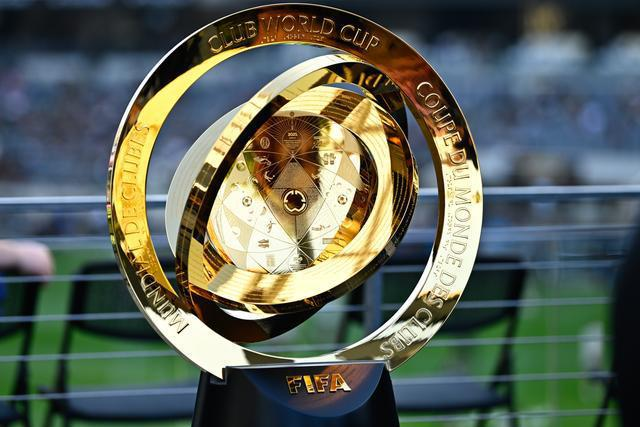
Club World Cup Shakes the Balance: Is European Football Really That Dominant?
With the expanded 2025 Club World Cup underway, 64 intercontinental clashes are not only thrilling fans but also challenging long-held assumptions about global football dominance. ESPN columnist Ryan O'Hanlon points out that a string of upsets against traditional powerhouses is reshaping our definition of what “strong” means in world football.
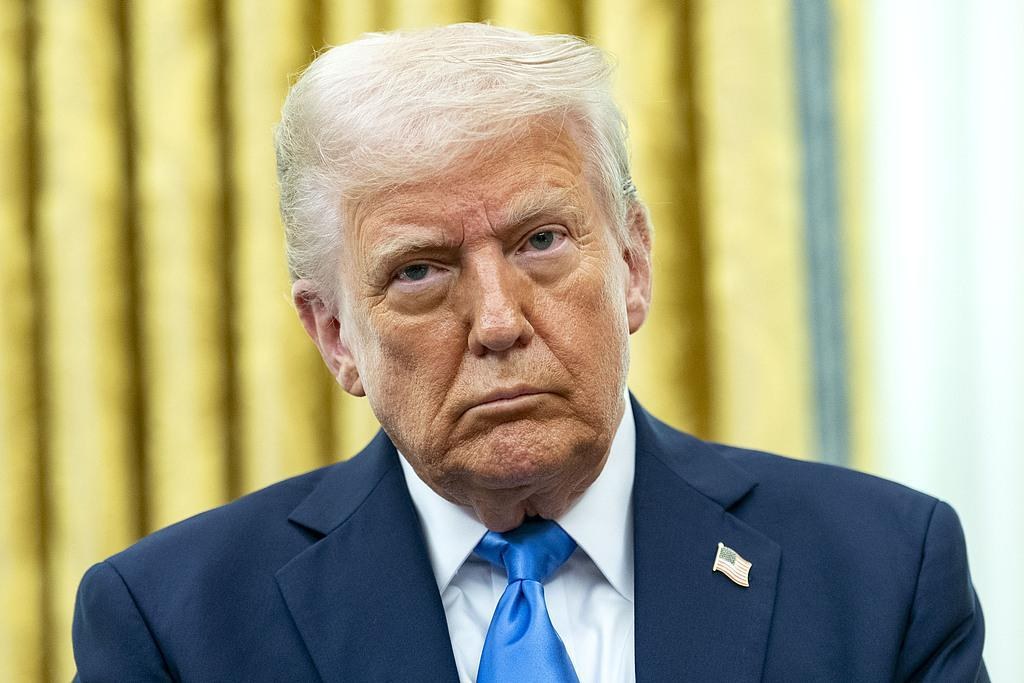
Trump Announces "Comprehensive Trade Deal" with South Korea: $350B Investment Pledge, 15% U.S. Tariff on Korean Imports
U.S. President Donald Trump announced on July 30 that the United States and South Korea have reached a “comprehensive and complete” bilateral trade agreement. Under the new deal, the U.S. will impose a 15% import tariff on Korean goods, while American products will be exempt from South Korean tariffs and enjoy expanded market access.
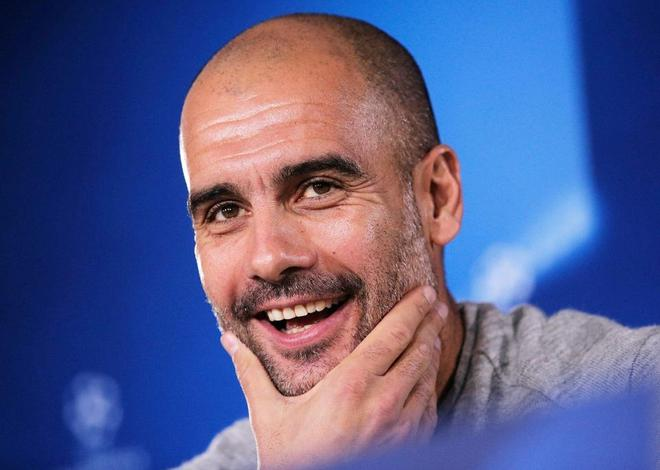
Guardiola Targets €100M Star! Man City Join Premier League Battle for Real Madrid’s Attacking Ace
As the summer transfer window enters its final stretch, Manchester City have shifted gears. While th...

OpenAI Forecasts $13 Billion in Revenue for 2025, Nearly $10 Billion from ChatGPT
Revenue Outlook RaisedAI company OpenAI is on track for stronger-than-expected financial results thi...
Huawei Confirms Kunpeng Processors Now Fully Compatible with Galaxy Kylin OS V11
Huawei and Kylin Software Achieve Full Compatibility Between Kunpeng Processors and Galaxy Kylin OS ...
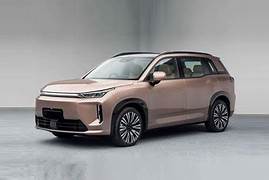
Aion’s First Range-Extended SUV, the i60, Opens for Pre-Sale on November 3 — Touted as Possibly the Most Beautiful A-Class SUV on the Planet
On the morning of October 31, GAC Aion officially unveiled the first images of its highly anticipate...
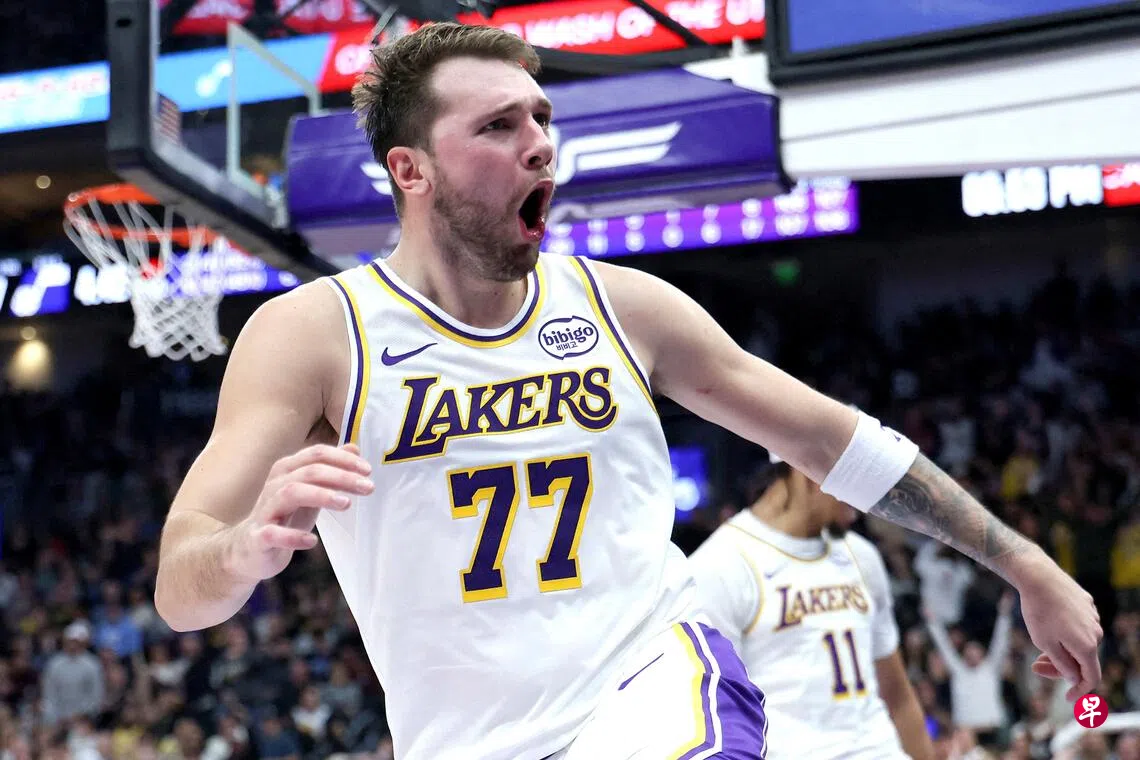
Lakers beat the Jazz twice in one week, extending their winning streak to four.
(Salt Lake City) The Los Angeles Lakers edged out the Utah Jazz 108–106 on Monday (Nov 24, Singapore...
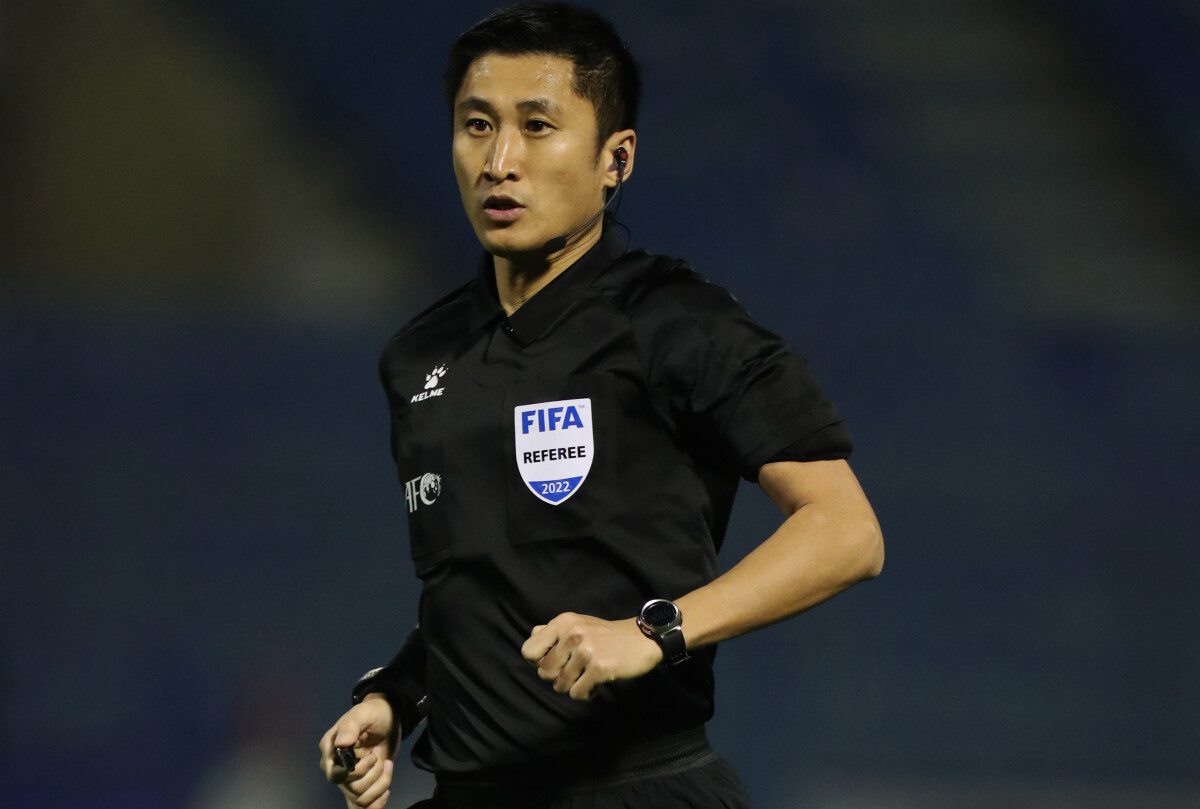
After 16 Straight Years Without a World Cup Appointment, Korean Media Sparks Heated Debate: “A Disgrace—Even Chinese Referees Made the Cut”
China’s football scene has earned a clear win over South Korea this time—at least on the refereeing ...
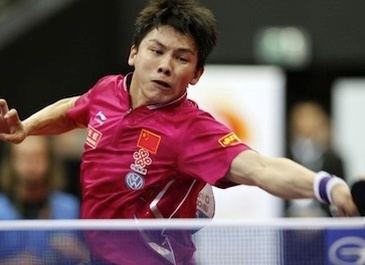
Fan Sends Threatening DMs to Chen Qi: “You’re Finished” and “Someone Will Kill Your Whole Family” — Chen Left Speechless by the Utter Madness
On December 28, Chen Qi—former Chinese national table tennis player and current coach of the Jiangsu...
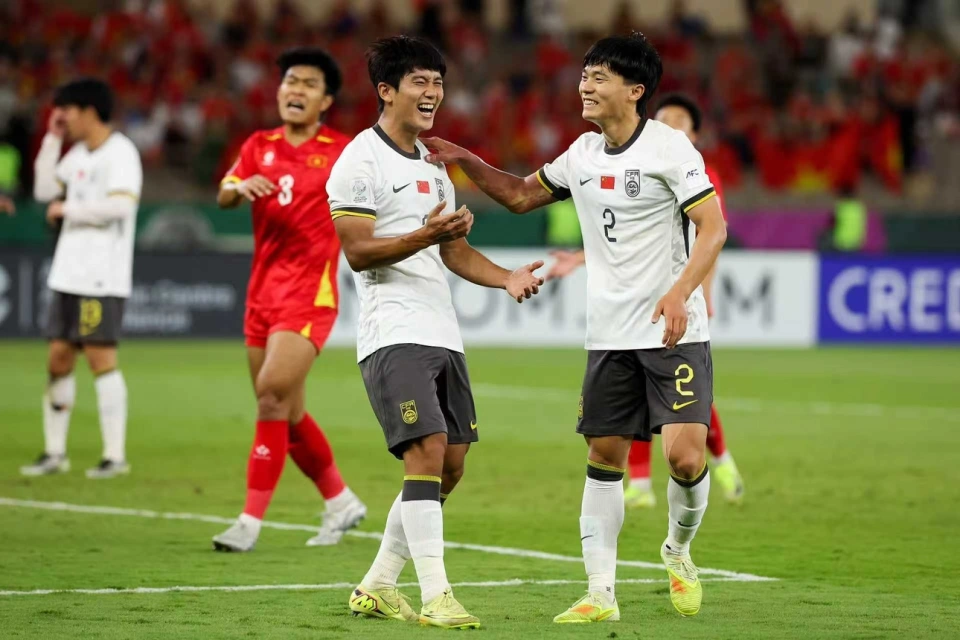
China U23 Men’s Team Reaches Asian Cup Final After 22 Years! 5 Clean Sheets, Final vs Japan
On January 21, in the 2026 U23 Asian Cup semifinal, China U23 defeated Vietnam 3-0, reaching the fin...
Qwen’s “3 Billion” CNY Free-Order Giveaway Goes Viral: Riders Rush to Grab Deliveries, Netizens Joke “Your Drink Depends on the Courier’s Luck”
On February 6, Fast Technology reported that Qwen rolled out its “Split 3 Billion” Lunar New Year ca...
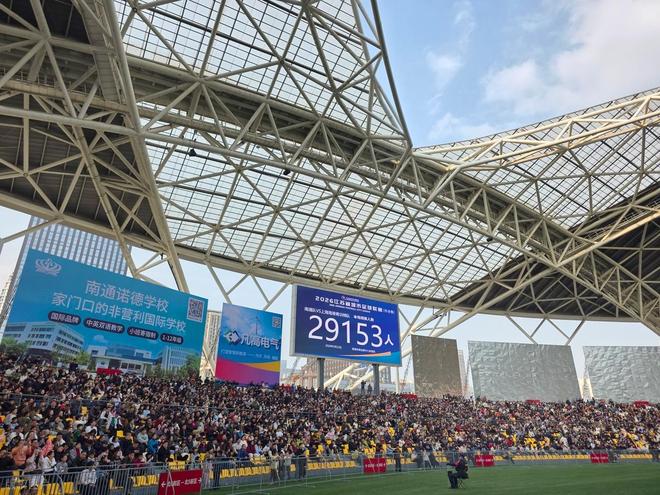
With just eight days to go, the Jiangsu Super League is building serious momentum. Star performers are set to light up the stage, backed by major sponsorship from Adidas. The famed “Thirteen Heroes of Jiangsu” will reunite on the pitch, reigniting football excitement across the region.
With just 10 days to go, the 2026 Jiangsu City Football League (“Su Super League”) is set to kick of...