Will Buying an iPhone Cost More?
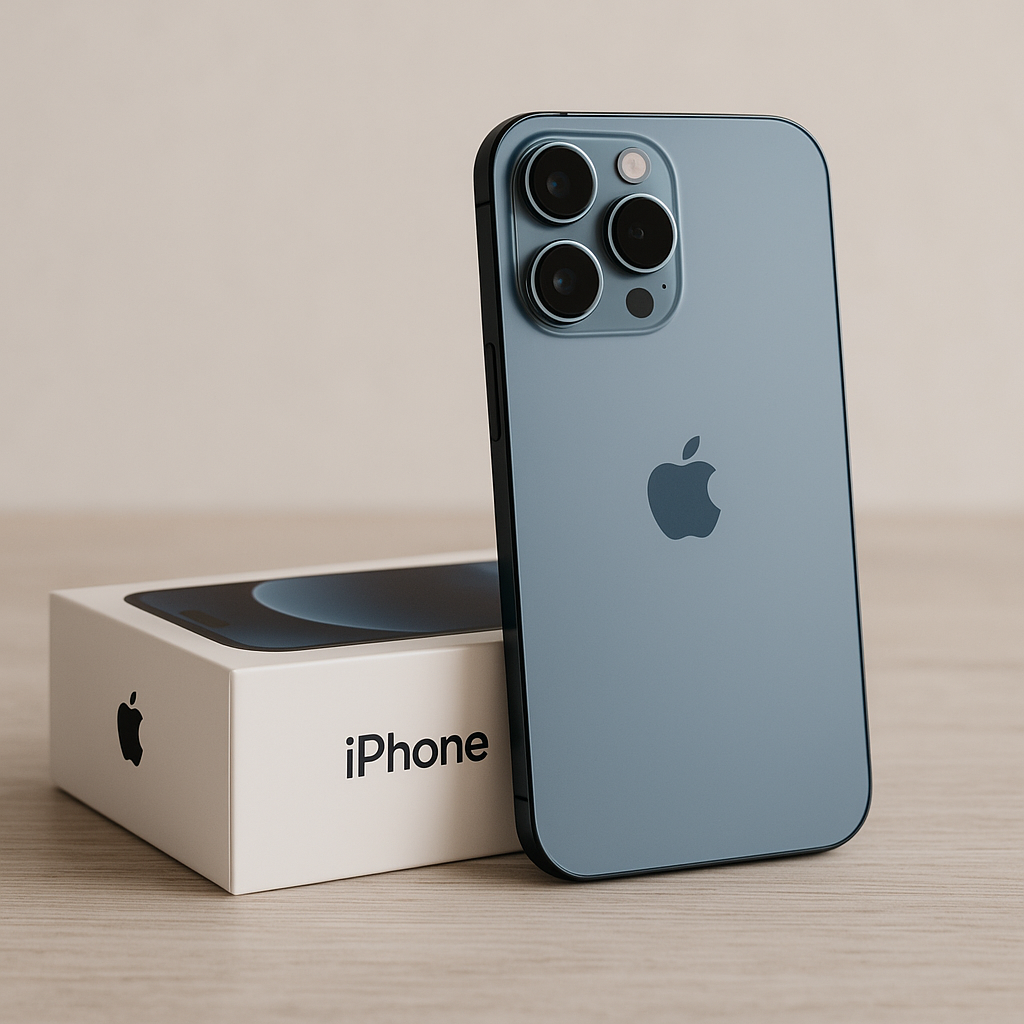
As Trump’s tariff threat looms over the tech world, the question most on consumers’ minds has surfaced: will iPhones become more expensive?
In the era of globalization, Apple’s symbiotic relationship with China’s supply chain was once a model for cross-border industrial cooperation. Since the U.S. imposed tariffs on China in 2018, Apple has endured multiple buffer periods. But the real test only began this April.
While CEO Tim Cook petitions the White House and intensifies PR efforts in China, one must ask: how irreplaceable is “Made in China”? And if price hikes are inevitable, how should consumers respond?
01 Will iPhones Get More Expensive?
iPhone prices have always been a sensitive topic for Chinese consumers. Over the past decade, iPhone pricing in China has shifted from being the "world's most expensive" to "globally aligned," influenced by currency fluctuations and Apple's strategic repositioning.
Currently, retail prices in China remain unaffected by tariffs, thanks to Apple’s local supply chain strategies and currency hedging. For instance, a flagship Apple Store in Beijing still sees steady foot traffic and government subsidies on select models, though enthusiasm is moderate.
But in the U.S., the picture is different. Take the iPhone 16 Pro Max—it has already seen a $95 price hike due to a prior 25% tariff. If tariffs rise to 245%, prices may skyrocket beyond consumer tolerance.
This East-West pricing divide highlights Apple's delicate balance between cost and market strategy.
However, rising tariffs are reshaping the rules. Since 2023, tariffs now apply to whole devices. Apple has responded with a “tiered pass-through” pricing model. For global consumers, the impact is uneven:
- U.S. buyers bear the full brunt, though they’re more tolerant due to higher disposable income.
- In Europe, complex VAT systems allow Apple to offset costs via carrier subsidies.
- In emerging markets like India, low-end models are discounted through local production.
This divide-and-conquer pricing showcases Apple’s agility—but also exposes risks. Should tariffs surpass Apple’s cost-mitigation ability, grey markets could flourish and undercut official sales.
02 What If Prices Do Rise?
If Trump insists on a 245% tariff, iPhone prices in China could rise sharply. In that case, several trends may unfold:
- Price-sensitive users may migrate to high-end domestic alternatives. When iPhone prices rise over 8%, 22% of core buyers (ages 25–35) switch to Android. Huawei’s Mate 70 data shows 28% of its customers are ex-iPhone users, citing "better value at similar specs."
- Still, Apple’s user loyalty remains strong. The iOS ecosystem, features like AirDrop, and high resale value form powerful barriers. As one Beijing office worker puts it: “Even if iPhones cost ¥2,000 more, all my devices—from smart home to in-car systems—are tied to Apple. Switching costs more than the price gap.”
Price hikes will likely deepen market stratification. Among users earning over ¥20,000/month, 68% say they’d still buy an iPhone. But for those under ¥8,000/month, that figure drops to 19%.
This divergence is pushing the market toward a "dumbbell structure":
- High-end: dominated by Apple and Huawei.
- Mid- and low-end: fierce battles among Xiaomi, Honor, and Oppo/Vivo.
To cushion profits, Apple may raise AppleCare+ prices and extend software subscriptions, subtly reshaping long-term consumer spending.
But the real risk may not be prices—but innovation slowdown. Apple has postponed foldable iPhone plans, and iPhone 16 upgrades are limited to energy-efficient chips and minor camera tweaks. When cost control trumps R&D, products risk becoming uninspiring.
Fortunately, China’s upgraded supply chain—BOE displays, YMTC chips—is lowering costs for local brands, creating “reverse pressure” that may force Apple to revisit its pricing strategies.
03 Apple Can't Leave China
Despite Cook’s public push for supply chain diversification, Apple’s reliance on China has deepened—not out of sentiment, but business necessity.
After India’s Tata acquired Wistron’s plant, many predicted a shift away from China. But 2024 data tells a different story: iPhone 15 units made in India have a 72% yield rate—well below China’s 98%. Core modules still need to be air-shipped from Shenzhen.
This contradiction between “physical relocation” and “technical dependence” reflects three key pillars:
- Ecosystem Efficiency:
Within 200 km of Shenzhen, over 1,500 supply firms collaborate seamlessly. Every step—from PCB etching to lens calibration—can be coordinated in under 48 hours. That level of efficiency is unimaginable in Hanoi or Bangalore. - Engineering Evolution:
When Apple demanded 0.01mm CNC precision, Chinese suppliers retrofitted old machines to deliver. Mexican plants failed to meet this spec. This problem-solving stems from Chinese engineers working on ~12 new projects per year—a decade of hands-on learning emerging markets can’t yet match. - Infrastructure Advantage:
In Zhengzhou, Foxconn’s factory and bonded logistics center enable 4-hour customs-to-production cycles—5x faster than India. While Vietnamese wages are 1/3 of China’s, Chinese skilled workers produce 7x more, making total assembly cheaper in China.
Even if 15% of production shifts abroad, 78% of key iPhone components are still sourced from China. This is not true supply chain relocation—just a shift in final assembly.
That’s why Cook keeps coming back to China, saying: “We choose China not for low costs, but because it's irreplaceable.”
04 Conclusion
A sobering fact: In Q1 2025, Apple’s China shipments fell 9% YoY, dropping to 9.8 million units. Market share fell from 17.4% to 13.7%, slipping to third place domestically. If Trump continues using tariffs as a weapon, Apple’s future is uncertain.
In this tug-of-war over tariffs and supply chains, consumers are both bystanders and final decision-makers.
In the short term, Apple can buffer Chinese prices. But two long-term trends are clear:
- China’s strength is shifting from cost to tech.
- Consumers now have more premium choices than ever.
In a fully competitive market, whether iPhones rise in price or not, Chinese consumers will gain more choice, better technology, and fairer pricing. Ironically, the real losers in this tariff war may be across the Pacific.