In May 2025, Istanbul, Turkey, became the focal point of the Russia-Ukraine peace talks. Russia, Ukraine, the United States, and Turkey each displayed different stances, reflecting a complex geopolitical game.
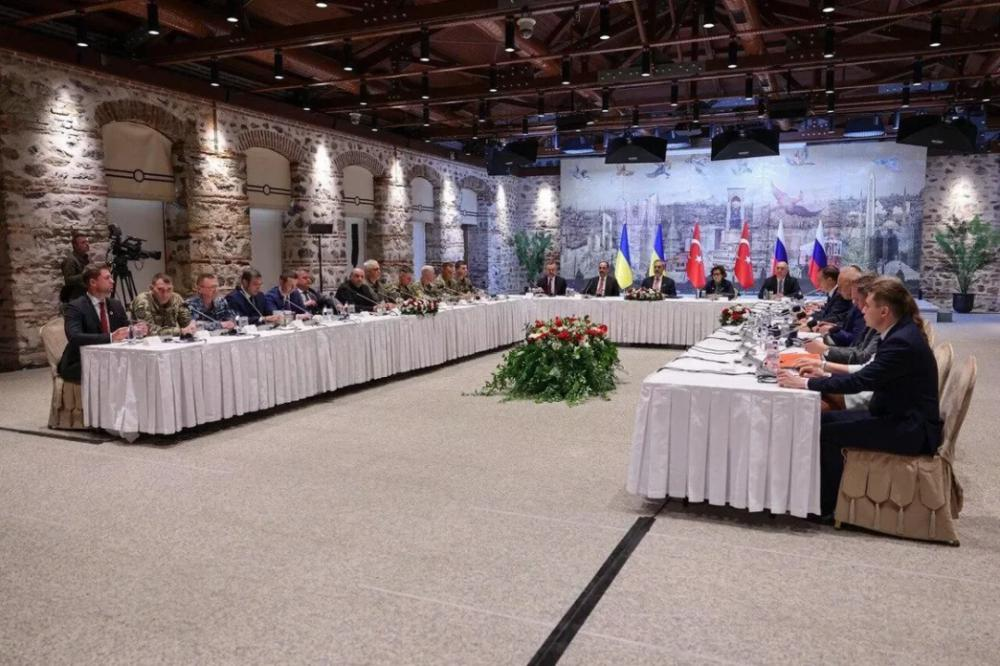
On May 16, delegations from Russia and Ukraine held their first direct talks in Istanbul. Turkish Foreign Minister Hakan Fidan wished both sides "good luck" at the opening and emphasized that Russia and Ukraine would independently determine the future path of the conflict.
However, the "meeting" was not a real face-to-face between leaders: neither Russian President Vladimir Putin nor Ukrainian President Volodymyr Zelensky attended. Putin had previously stated he would not travel to Istanbul, while Zelensky insisted on meeting only with Putin personally.
Interestingly, although Zelensky arrived in Turkey, he stayed in Ankara and did not enter Istanbul, the negotiation venue. Russia sent Presidential aide Vladimir Mekhinsky to lead their delegation. Zelensky then flew to Tirana, Albania, appointing Ukraine’s Defense Minister Oleksii Umerov as the delegation leader, emphasizing that all parties must show sincerity in negotiations and that unconditional ceasefire is the first step to peace.
From this perspective, these talks mark the first resumption of negotiations since they paused in Turkey in spring 2022. Russia proposed "eliminating the roots of the conflict and establishing long-term peace," but with low-level officials involved, rapid breakthroughs are unlikely.
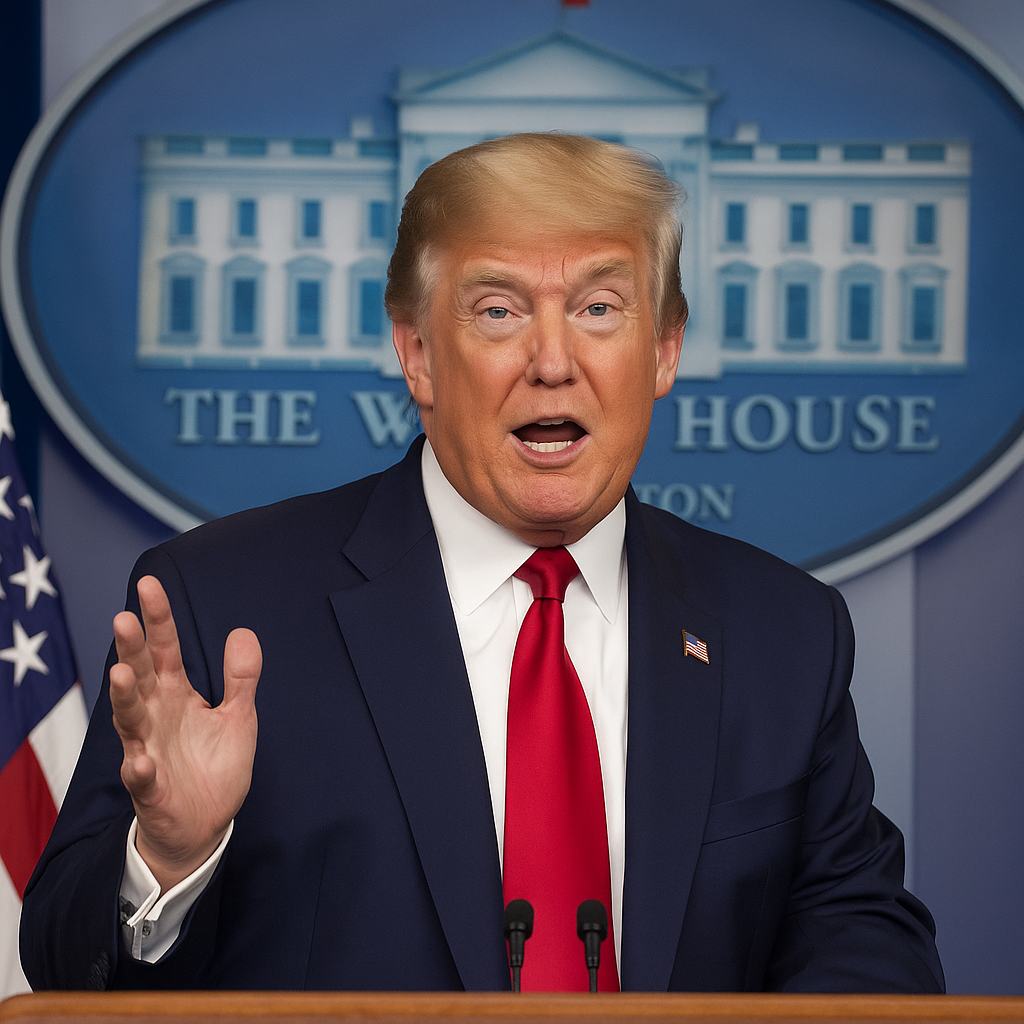
This meeting was largely about testing each other’s bottom lines and preparing for future high-level talks between Putin and Zelensky. U.S. Secretary of State Rubio stated that a meeting between Trump and Putin is the only chance to resolve the crisis, though the date and location remain undecided. If true, a Putin-Zelensky meeting in Istanbul in mid-May is improbable.
Zelensky’s presence in Turkey was more to demonstrate sincerity to the international community and signal that he is waiting for Putin. He also understood that meeting with Russian presidential aides or lower officials would not respect Ukraine’s sovereignty, hence his criticism of Russia’s delegation rank being too low.
Despite Putin’s mention that a ceasefire might be agreed upon, fierce battles continue on the front lines. CCTV reported that on May 15, dozens of clashes occurred in frontline regions between Ukrainian and Russian forces. Russia claimed to have shot down over 100 Ukrainian drones and destroyed a Ukrainian unmanned boat in the Black Sea.
Even if a ceasefire agreement is reached, it must be approved by the parliaments and signed by presidents to become legally binding and enforceable on frontline troops, a complex and lengthy process.
As for whether Trump will visit Turkey, it seems more symbolic. His real challenge is how to genuinely promote peace rather than pursue U.S. self-interest. Turkey also emphasized that President Erdogan made great efforts to facilitate the meeting, showing Turkey’s firm desire to end the war.
Analysis and Opinions
- Talks are preliminary probes; the real negotiations have yet to start
Current Russia-Ukraine talks involve low-level officials and are more symbolic than substantive. Key leaders Putin and Zelensky have not met, indicating critical talks are still forthcoming. - Zelensky’s strategy shows sincerity while safeguarding sovereignty
Zelensky’s trip to Turkey signals his willingness to negotiate but by staying out of Istanbul, he avoids engaging low-level Russian officials, upholding diplomatic equality and preventing perceived concession. - War and talks proceed simultaneously; ceasefire hard to achieve soon
Fighting continues despite talks. Even if ceasefire agreements occur, legal and political ratification will delay implementation, so conflict likely continues. - U.S. and Turkey’s roles are complex; U.S. has broader interests
U.S. statements highlight the importance of Trump-Putin talks but no concrete schedule exists. The U.S. position is complex, possibly prioritizing geopolitical interests over pure peace efforts. - Turkey’s active role as mediator
Erdogan’s efforts to convene talks show Turkey’s diplomatic flexibility and desire for regional stability. - Future hinges on direct dialogue between top leaders
Delegation talks are preparatory; real progress depends on Putin-Zelensky direct meetings.