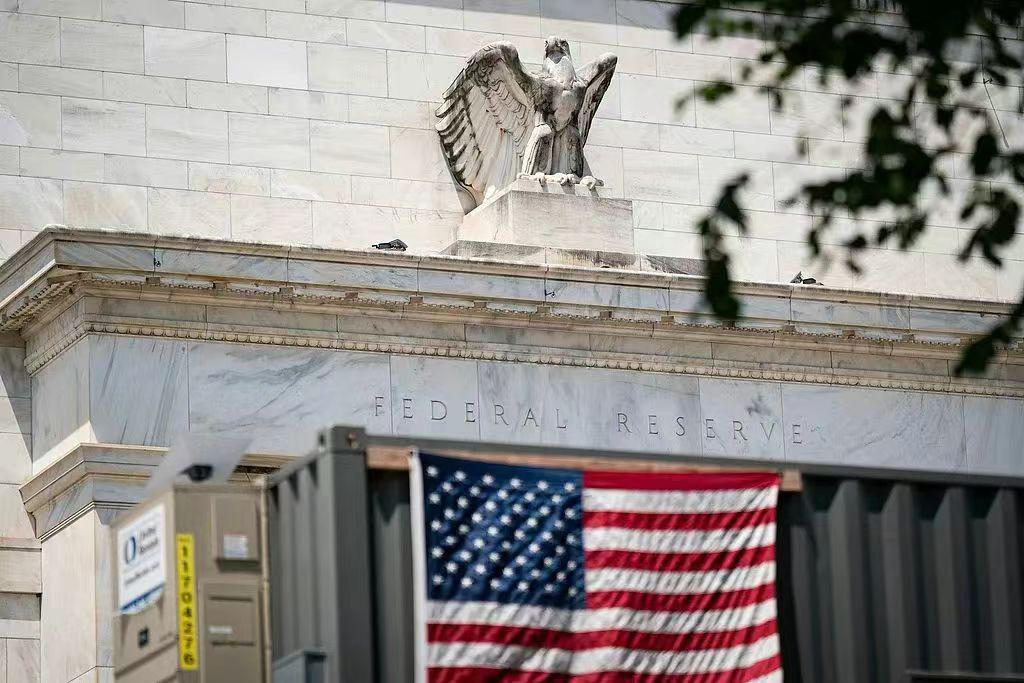
On July 30, Federal Reserve Chair Jerome Powell stated it’s too early to determine whether a rate cut will happen in September, emphasizing that future decisions will be based on economic data. The Fed maintained its benchmark interest rate between 4.25% and 4.50%, marking the fifth consecutive time this year without a change.
Despite mounting pressure from former President Donald Trump, who repeatedly called for an immediate rate cut and even threatened Powell’s dismissal, the central bank stuck to its cautious stance. Unusually, two Fed board members—appointed by Trump—voted against the decision, supporting a 25 basis point rate cut. This is the first time since 1993 that two governors simultaneously dissented.
Powell declined to comment on whether he would remain in office after his term ends in May 2026, further fueling speculation of rising tensions between the Fed and the White House. U.S. Treasury Secretary Bessent had previously hinted that Powell should step down to avoid future “policy chaos.”
Market reactions were swift. According to CME’s FedWatch Tool, the probability of a rate cut in September dropped from 68% before the meeting to 45% afterward. Meanwhile, the odds of holding rates steady increased to 55%.
Analysts believe that internal dissent highlights growing concerns over labor market softness and recession risks. While Trump’s pressure has not directly shifted the Fed’s path, it has complicated the policy outlook.
In summary, the Fed’s decision to hold rates steady reflects both caution and internal conflict, leaving the market to navigate uncertainties around future policy direction and the Fed’s independence amid political pressure.