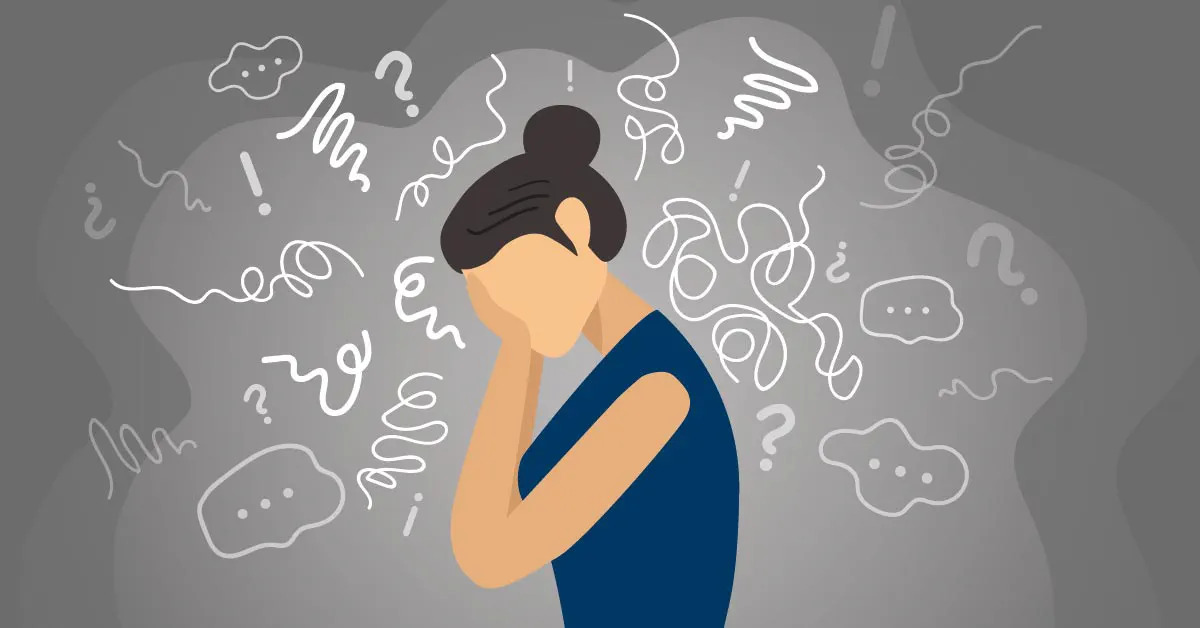
When faced with sudden challenges or intense pressure, it’s not uncommon to feel irritable, dizzy, restless, lose your appetite, struggle to fall asleep, or find it hard to focus. However, if these symptoms persist for six months or more, it may be a sign of anxiety disorder.
Anxiety disorder is a mental health condition characterized by persistent anxiety in the absence of organic brain disease or other neurological disorders. Clinically, it is typically categorized into acute anxiety (panic disorder) and chronic anxiety (generalized anxiety disorder), making it one of the most common mental health conditions worldwide.
Global epidemiological studies estimate that 7.3% of the population suffers from anxiety disorders, with the vast majority being chronic cases. Standard treatments include medication and psychotherapy. But beyond clinical interventions, simple lifestyle changes—like regular physical activity—can make a remarkable difference.
The Science: Exercise as a Powerful Anxiety Reliever
A 2021 randomized controlled trial from the University of Gothenburg, published in the Journal of Affective Disorders, revealed that exercise significantly reduces anxiety symptoms, even at low intensity.
Researchers recruited 286 patients from primary healthcare facilities in Gothenburg and northern Halland County—half of whom had been living with anxiety for at least a decade. The average age was 39 years, and 70% were women.
Participants were randomly assigned into three groups: two exercise intervention groups and one control group.
- Exercise program: Both intervention groups completed a 12-week program, training three times per week for 60 minutes per session. Workouts included cardiovascular activities (such as step-ups, lunges, jump rope, burpees) and strength training (such as squats, planks, glute bridges, crunches, push-ups).
- Intensity levels:
- Low-intensity group: 40–60% of maximum heart rate.
- High-intensity group: 75% of maximum heart rate.
Researchers monitored heart rate and used other physical exertion scales to ensure accurate intensity tracking.
The Results: Stronger Workouts, Stronger Impact
After 12 weeks, most participants in the exercise groups improved from moderate/high anxiety levels to low anxiety levels—a notable contrast to the control group.
- Low-intensity group: 3.62 times more likely to see symptom improvement compared to the control group.
- Moderate/high-intensity group: 4.88 times more likely to improve.
Lead author from Halland Region noted:
“The improvement showed a clear intensity trend—the greater the workout intensity, the greater the relief from anxiety symptoms.”
The study concluded that exercise is low-cost, low-risk, and highly effective—and should be more frequently integrated into anxiety treatment plans.
Beyond Anxiety: Why Movement is Medicine
Exercise doesn’t just ease anxiety—it also improves sleep, relieves stress, boosts immunity, and enhances overall well-being. No wonder there’s a saying: “Exercise is medicine.”
Rather than relying solely on “an apple a day,” adding regular movement to your life may be one of the best investments in your mental and physical health.
When to Seek Help
It’s important to remember that mild, temporary anxiety is normal—it’s a natural emotional response that helps us react to challenges and adapt to change. However, persistent anxiety can harm mental health and often coexists with other conditions such as depression or substance abuse. In severe cases, it may lead to social withdrawal, suicidal thoughts, or overuse of healthcare services.
According to the DSM-IV-TR diagnostic criteria for generalized anxiety disorder, you should seek professional help if you experience:
- Excessive anxiety and worry about various events/activities lasting more than 6 months.
- Difficulty controlling the worry.
- At least three or more of the following symptoms:
- Restlessness
- Fatigue
- Difficulty concentrating
- Irritability
- Muscle tension
- Sleep disturbances
- Symptoms are not caused by substance use, physical illness, or other mental disorders.
- Anxiety, worry, or related symptoms cause significant distress or impairment in social, occupational, or other important areas of functioning.