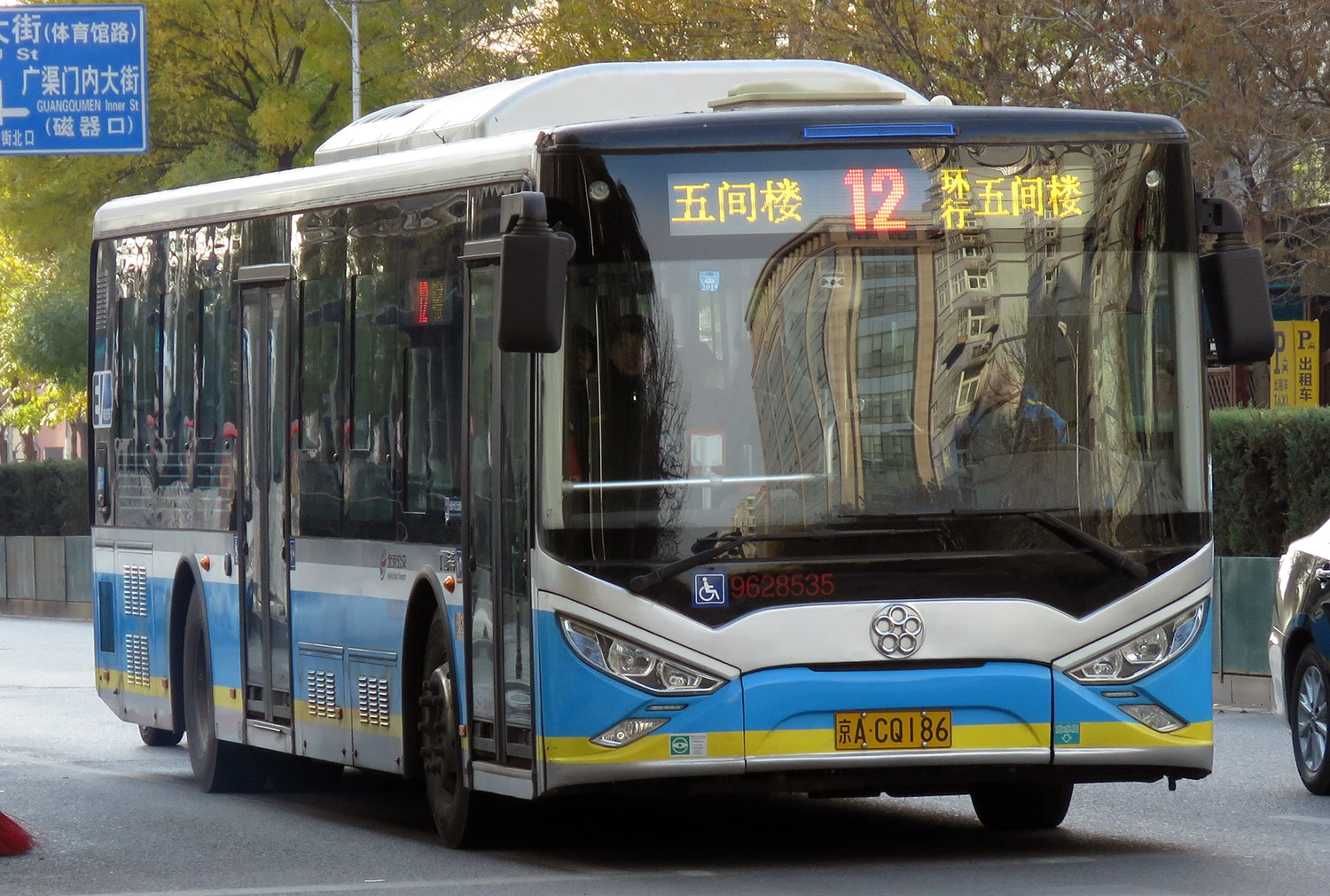
As metros expand and private cars flood the streets, traditional buses seem to be fading into the background. Data shows China’s bus system loses over 200 billion RMB annually, and nationwide bus capacity has dropped to half of what it was in 2014. Yet, despite these losses, buses remain an irreplaceable backbone of urban life.
Challenges for Buses
Major cities like Beijing, Shanghai, and Guangzhou have scaled back routes, while most buses in Shenzhen operate at a loss. With an average speed of just 29 km/h, buses lag behind both metros and private vehicles, often seen as “unattractive” compared to faster options.
The Hidden Value of Buses
But buses mean far more than just transportation:
- Urban Functionality: In Shenzhen, the seamless integration of buses with metros has kept congestion lower than in Beijing or Guangzhou.
- Livelihoods: Across provinces like Hebei, Jiangxi, and Zhejiang, “farmers’ bus lines” carry elderly farmers and baskets of fresh vegetables to city markets at dawn. For just 1 RMB, they sustain millions of smallholder families.
- Affordability: While bus fares in the U.S. and Japan range from 10–30 RMB and in South Korea from 7–12 RMB, China has kept fares at just 1–2 RMB, thanks to government subsidies and strict price-freeze policies.
Looking Ahead
Buses may no longer dominate urban mobility, but they embody public service, affordability, and social equity. Their quiet persistence guarantees stability and warmth in everyday life.
Like an old building on the street corner, a 24-hour hotline, or that familiar bus arriving on time for 1 RMB—China’s buses may not shine, but they remain irreplaceable.