Two “Gray Rhinos” Collide on Wall Street: A Sudden, Fierce Selloff Rocks U.S. Markets
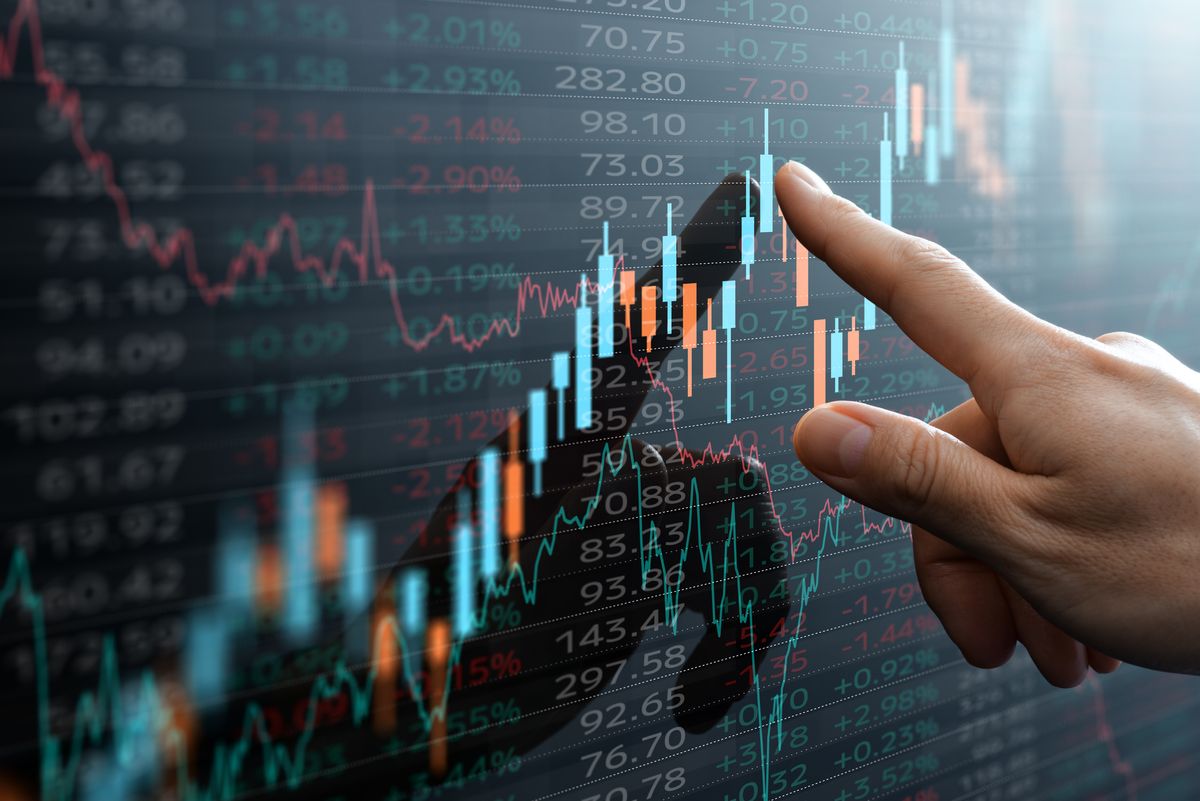
On October 10 (EST), Wall Street witnessed a dramatic and ruthless market reversal. Early in the session, the three major U.S. indices hovered near record highs, with bullish and cautious investors locked in a tense standoff. But by midday, panic struck. A one-two punch of escalating U.S.-China trade tensions and shocking news of “permanent layoffs” during the government shutdown sent shockwaves through the market. In a matter of hours, fear swept across Wall Street, triggering a collective plunge reminiscent of the “April Crash” six months ago. By the closing bell, the Nasdaq had plummeted 3.56%, the S&P 500 dropped 2.7%, and the Dow fell nearly 2%. The S&P 500 erased over ten days of gains in a single session as a wave of selloffs engulfed every sector, igniting full-blown panic.
Two major negative catalysts struck almost simultaneously, shattering the market’s fragile balance. First came the sudden deterioration in U.S.-China trade relations. Around 11 a.m., the Trump administration announced steep new tariffs on Chinese goods, and China swiftly retaliated by imposing additional fees on U.S. ships docking at its ports. This escalation turned market sentiment from caution to fear. According to U.S. Market Watch, such tariff-driven selloffs under Trump have historically created “perfect dip-buying opportunities.” But this time, something far more serious followed. Shortly afterward, OMB Director Russell Vought announced via social media that the administration had begun implementing massive permanent layoffs (RIF—“Reduction in Force”) amid the ongoing government shutdown.
This was unprecedented. In past shutdowns, federal workers were merely furloughed—not permanently dismissed. This time, at least nine federal departments and thousands of employees were affected. The move marked a deepening political standoff between the two parties, particularly over the continuation of Obama-era healthcare subsidies. The result: a major blow to confidence. Wall Street grew increasingly uneasy, fearing that permanent job cuts during a prolonged shutdown would not only hit household spending but also signal the White House’s intent to permanently defund Democratic stronghold projects. This heightened political uncertainty and polarization rattled investor faith in U.S. fiscal stability and economic policy direction.
While the sudden shocks were the spark, analysts argue the deeper causes lay in structural imbalances and overextended optimism. Over recent weeks, U.S. equities—particularly tech, AI, and meme stocks—had surged on exuberant retail sentiment. Beneath the euphoria, however, investors were already uneasy about stretched valuations and an overheating AI bubble. The twin catalysts of “layoffs” and “trade conflict” acted as the trigger, releasing weeks of pent-up anxiety and unleashing a broad-based selloff. From a market mechanics perspective, the drop bore clear algorithmic fingerprints. CTA (Commodity Trading Advisor) quant strategies amplified the decline. Goldman Sachs data shows that CTA long positions, which had peaked in July at $276.6 billion, had dwindled to just $29.6 billion by September—leaving funds vulnerable to forced liquidations once trend signals flipped. When trade tensions and government layoffs reversed those signals, systematic sell orders flooded the market, draining liquidity and causing the “free-fall” effect seen throughout the session.
Despite the S&P 500’s 34 record highs this year and a staggering $16 trillion rebound in market cap, doubts are mounting on Wall Street. A new Markets Pulse survey highlights the paradox: while investors remain confident in AI-driven earnings growth, skepticism is rising over whether corporations’ enormous AI investments are truly paying off. Conducted between September 29 and October 8 with 149 respondents, the survey found over two-thirds believe AI will continue to fuel corporate performance—confirming faith in AI as the next growth engine. Yet, nearly the same number question whether the spending matches the returns. The growing divide reflects a deep-seated anxiety that the ongoing “AI arms race” may prove far more costly than profitable in the near term. Recent multi-billion-dollar deals by Nvidia and AMD, some criticized as “circular transactions,” have only reinforced the market’s sensitivity to real performance versus hype. As BCA Research strategist Irene Tunkel put it: “Every day brings a new headline in the AI arms race. Before the frenzy cools, the bill could easily hit trillions. Whether it’s worth it depends on who’s paying.”
The upcoming third-quarter earnings season will test whether the U.S. market is in a genuine growth cycle—or sitting on a speculative bubble. Sell-side analysts project 7.2% YoY profit growth for S&P 500 companies, the slowest in eight quarters, with full-year EPS growth estimated at nearly 11%. Yet more than half of surveyed investors believe these forecasts are overly optimistic, expecting new tariffs to dent corporate profits in the coming quarters. One line item will face particular scrutiny: capital expenditure on AI. Markets Pulse estimates that between 2026 and 2029, AI-related investments by mega-cap firms could exceed $1.1 trillion, and total AI spending may surpass $1.6 trillion—more than five times the “Big Seven” tech firms’ combined capex over the past year. As Wells Fargo’s senior strategist Scott Wren cautioned: “In the years ahead, many companies—not just the mega-caps—will have to monetize their AI investments. For now, AI is a cost center, not a revenue stream. It’s not a problem yet, but it could become one.”
From billionaire investor Paul Tudor Jones warning that the next bubble burst could be “even more explosive than 1999,” to the mixed sentiment of institutional surveys, one thing is clear: optimism is no longer unanimous. Wall Street stands at a decisive inflection point—between the boundless promise of AI innovation and the sobering reality of profit margins under strain. As the earnings season unfolds, investors will finally discover whether the AI boom can translate into real financial performance—or whether today’s exuberance will set the stage for the next painful correction.