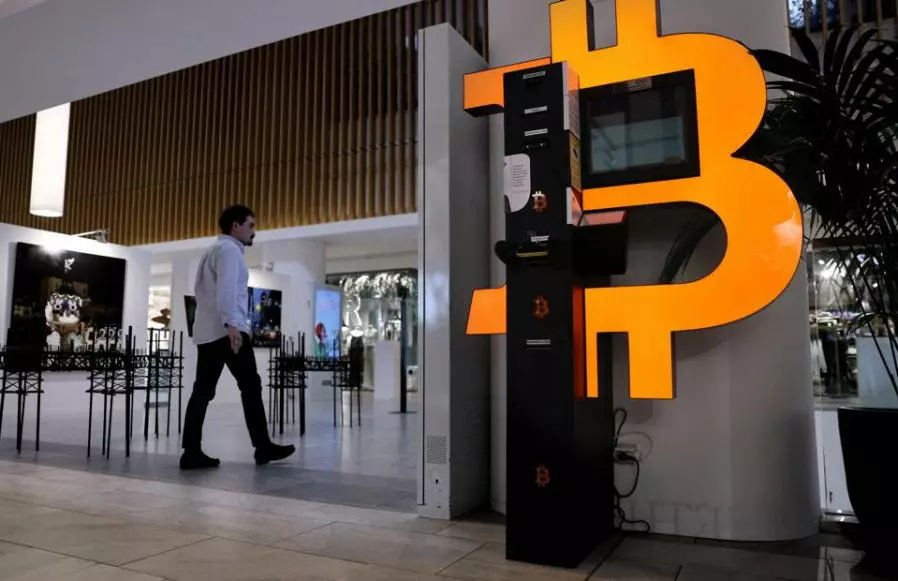
Washington, Jan 12 — FBI figures show that scams carried out through cryptocurrency ATMs caused losses of US$240 million in the first half of last year—roughly double the total recorded for all of 2024—prompting some policymakers to push for outright bans or tighter restrictions.
Spokane, Washington detective Tim Schwering said he noticed a rise in crypto-related crime as early as 2023. Many victims, he noted, are older or socially isolated individuals targeted by overseas fraud rings posing as romantic partners, exploiting cognitive decline, or using intimidation. In some cases, scammers impersonate government officials and threaten to wield IRS authority to pressure victims into transferring funds.
Schwering said the money often ends up overseas, making it “difficult to trace or recover,” and leaving some victims’ life savings wiped out. In response, Spokane City Councilmember Paul Dillon advanced a proposal to ban crypto ATMs citywide. The measure took effect last June, with operators rushing to remove machines before the grace period ends.
Still, debate continues over whether removing machines will solve the problem. States such as Arizona, Arkansas, and Vermont are tightening laws or weighing additional limits, while St. Paul, Minnesota is considering a citywide ban similar to Spokane’s. Some experts argue that large-scale removals may not eliminate scams and could create unintended consequences.
Alex Davis, founder and CEO of blockchain firm Mavryk, said crypto ATMs persist because they address needs the regulated financial system has not fully solved—accessible, privacy-preserving, low-friction money movement—while traditional finance is moving toward stricter protections and compliance with less tolerance for anonymous activity. Jared Strasser, COO of The Crypto Company, added that crypto ATMs mainly serve people who need immediate access to funds; scammers favor them because transactions are fast and irreversible.
Lev Breydo, an assistant professor at William & Mary Law School, argued the prevalence of bitcoin ATMs highlights deeper structural issues, including a large underbanked population and significant cash remittance flows. In his view, the machines reflect weaknesses in the financial system and the social safety net more than they represent “innovation.”