NVIDIA Releases Llama Nemotron Super v1.5: Breakthrough in AI Inference Efficiency, Optimized for Single-GPU Deployment
NVIDIA has officially launched its latest AI model, Llama Nemotron Super v1.5, delivering major brea...
Read more
941 articles
NVIDIA has officially launched its latest AI model, Llama Nemotron Super v1.5, delivering major brea...
[Global Report] The National Aeronautics and Space Administration (NASA) is bracing for a significan...
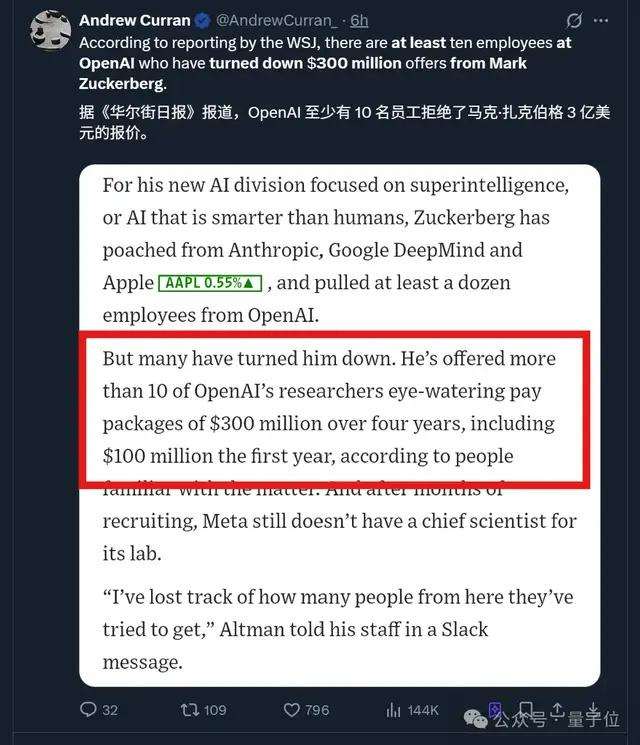
From a casual chat to a talent arms race—how Mark Chen's advice triggered Meta's aggressive AI team-...
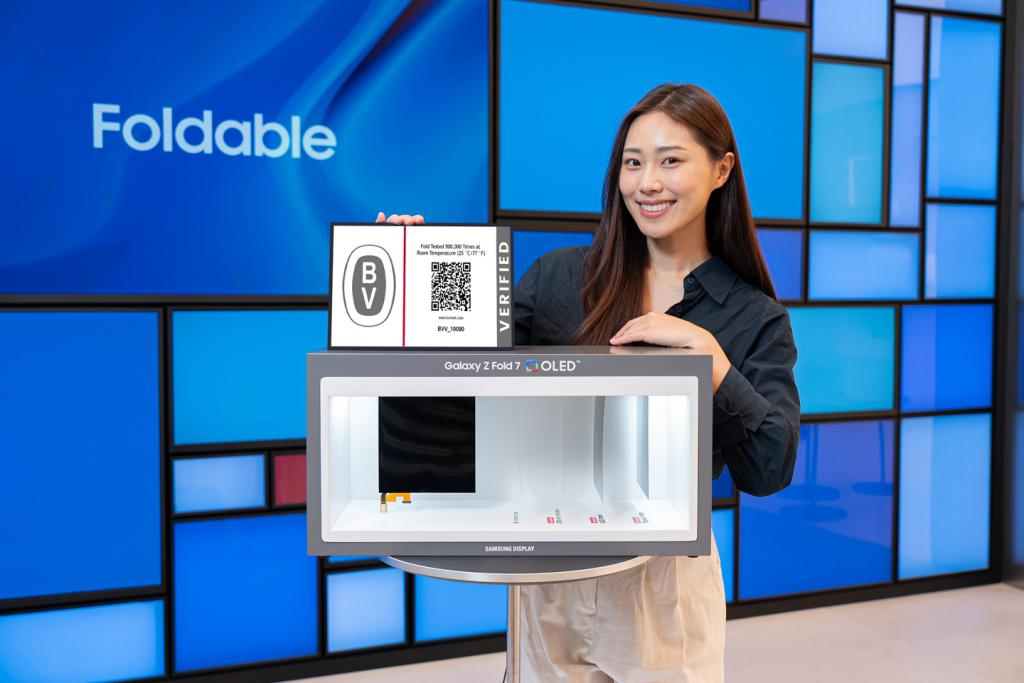
On July 21, Samsung announced that its flagship foldable, the Galaxy Z Fold7, has successfully passed 500,000 fold-and-unfold durability tests—independently verified by Bureau Veritas—2.5 times more than its predecessor and setting a new industry benchmark.
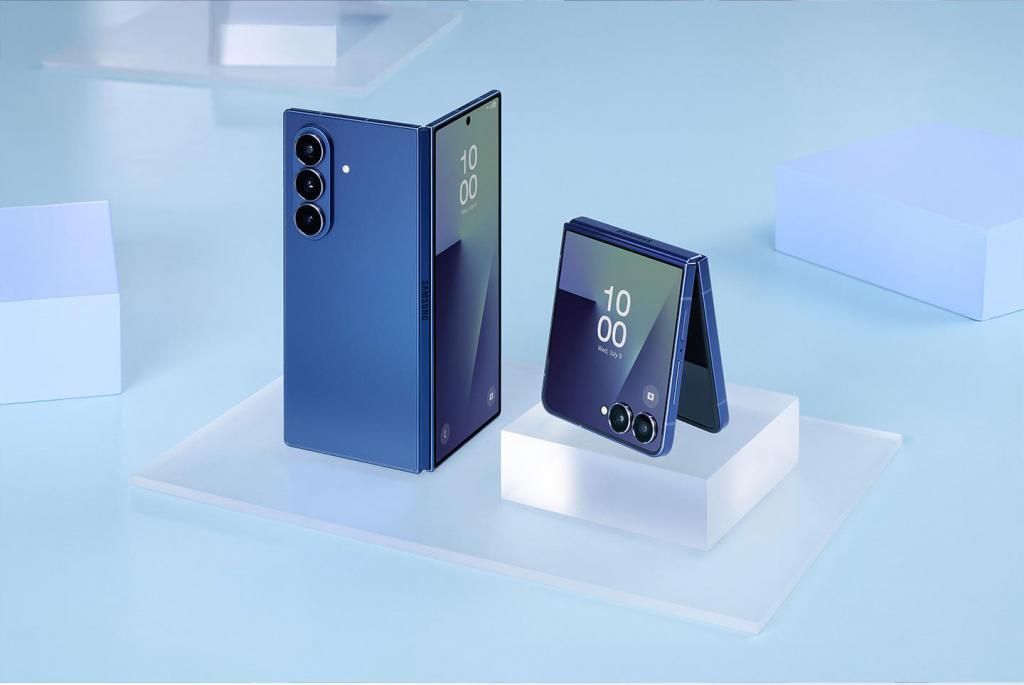
On July 21, Samsung unveiled the engineering behind the Galaxy Z Fold7 in a detailed blog post, showing how an ultra-thin hinge, lightweight chassis, and streamlined display panels combine to make it the thinnest foldable phone the company has ever built.
On July 22, ByteDance's Seed team introduced GR-3, a next-generation Vision-Language-Action (VLA) model. Unlike previous systems that require massive robot trajectory datasets, GR-3 can be efficiently fine-tuned on new tasks or unseen objects with just a handful of human demonstrations. It understands abstract language commands and performs dexterous manipulation of soft objects.
Tesla has just signaled a new variant in its China-market lineup: the Model Y L (Long). With a stretched wheelbase, a three-row "2+2+2" six-seat layout, and higher output dual motors, it targets families needing more room. Yet against a flood of genuine large six-seat SUVs and MPVs, the Model Y L's chances for mass appeal remain in question.
In 2021, China's Tianwen-1 probe captured its first high-definition "portrait" of Mars from about 2.2 million kilometers away, revealing surface channels and ridges in unprecedented clarity. Few know that this breakthrough relied on an off-axis three-mirror optical system once embargoed by Western countries—now independently mastered by Chinese scientists and set to become standard on future deep-space missions.
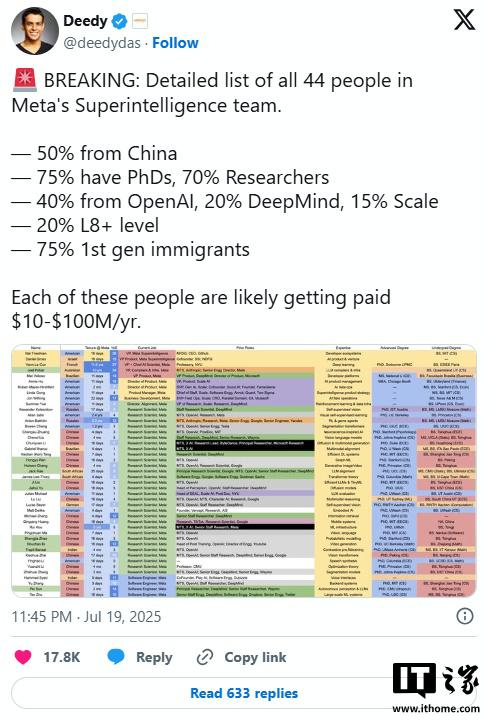
After the metaverse setback, Meta founder Mark Zuckerberg is making another bold move—this time into artificial intelligence. Insider sources reveal that Meta's "Superintelligence Labs" has recruited 44 AI research specialists, of whom 50% are from China and 40% previously worked at OpenAI, underscoring Meta's deep pockets and global talent hunt.
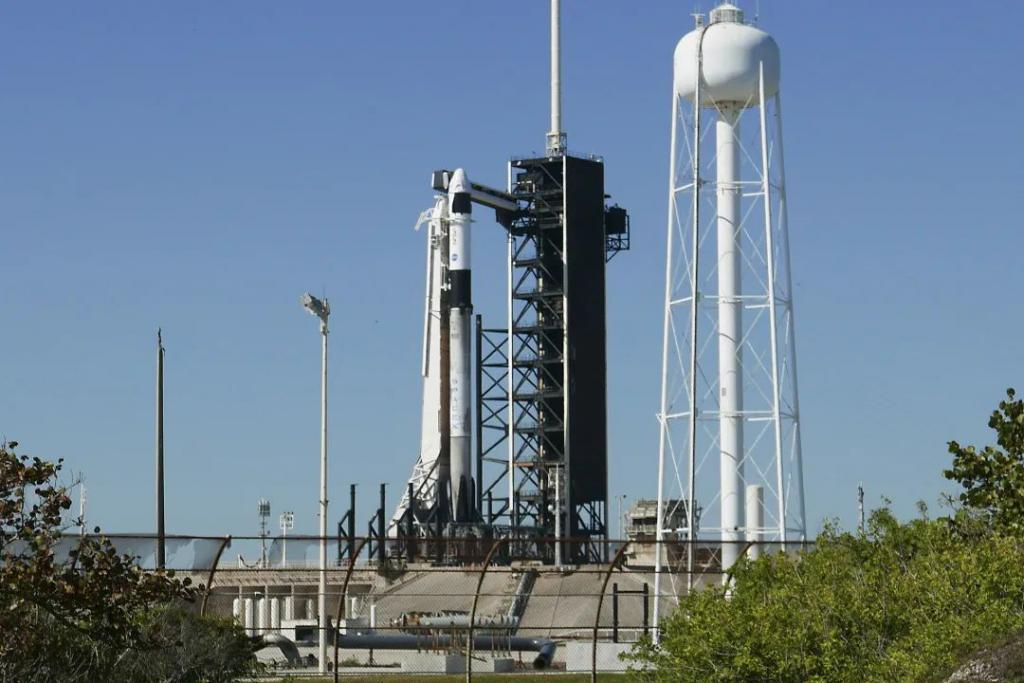
On July 19, the Wall Street Journal reported that U.S. officials reviewing Elon Musk's Space Exploration Technologies Corp. (SpaceX) federal contracts concluded they cannot cancel most of them because they are "vital" to the Department of Defense and NASA. The announcement comes after former President Trump threatened in early June to sever ties over Musk's lucrative subsidies, igniting a fresh debate over the government's reliance on SpaceX.
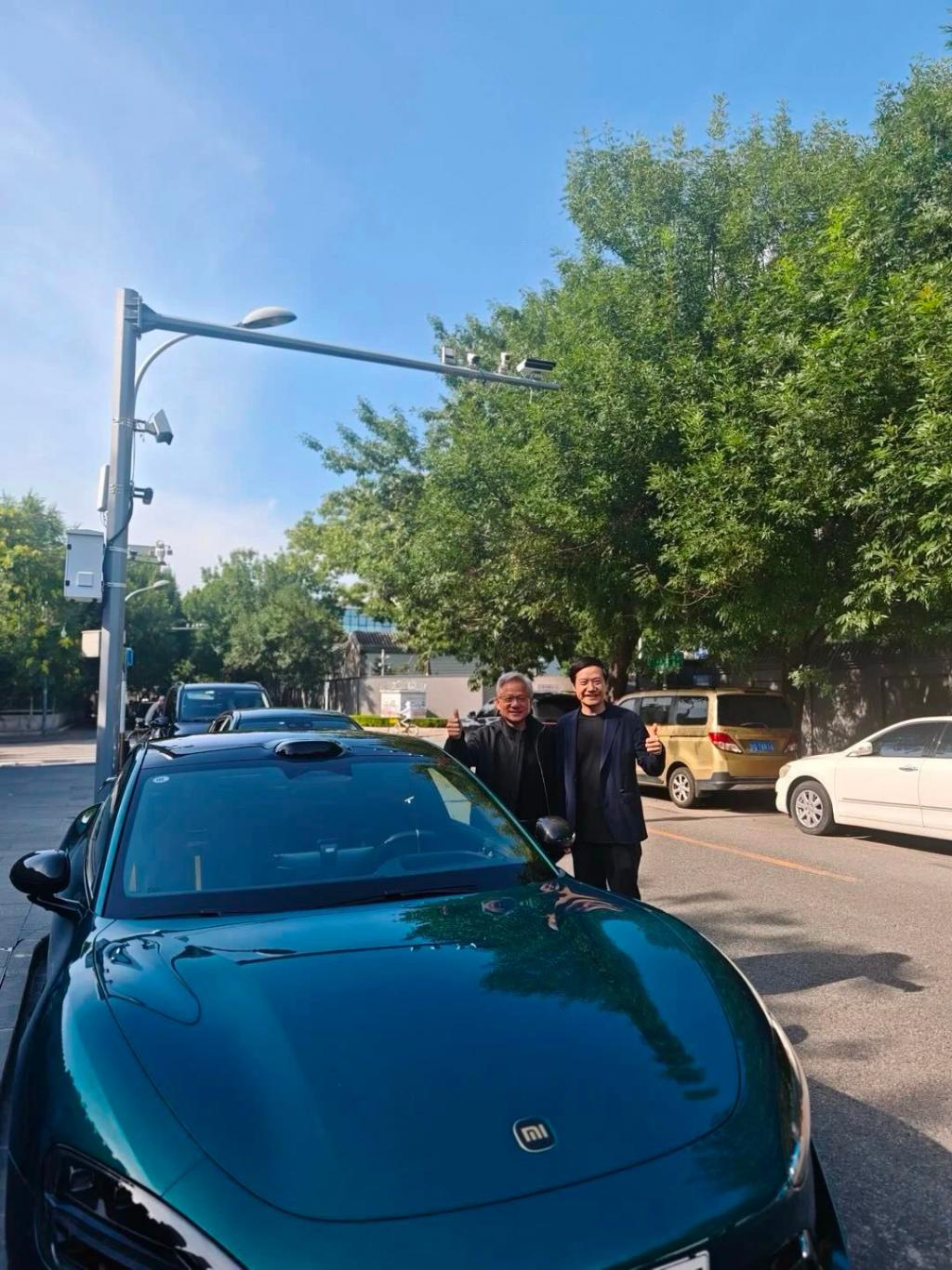
During his appearance at the 3rd China Chain Expo, NVIDIA CEO Jensen Huang expressed a strong interest in Xiaomi's electric vehicle, saying, "I really want to buy one," while highlighting the close collaboration between the two companies. He praised the rapid development of China's EV industry and affirmed confidence in overcoming global supply chain challenges. His recent photos with Xiaomi founder Lei Jun have also sparked widespread attention online.
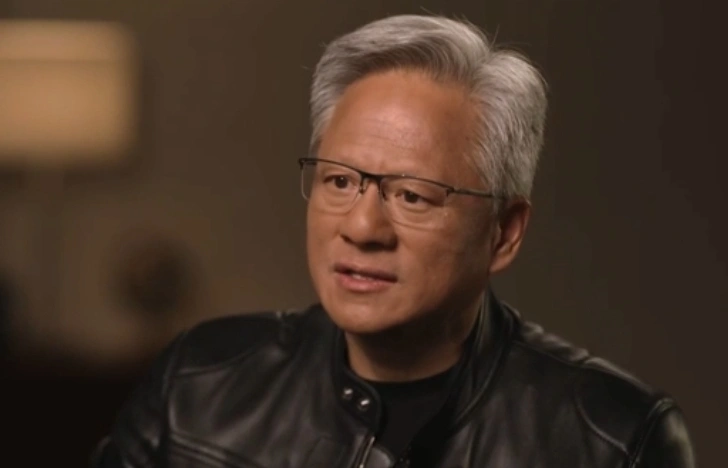
Ahead of his visit to China, NVIDIA CEO Jensen Huang once again addressed U.S. concerns over chip exports to China, particularly for military use. In a CNN interview aired on July 13, Huang emphasized that China already possesses vast independent computing power and would avoid using American technology due to geopolitical risks. He reiterated his opposition to U.S. export controls and called for a more open global AI ecosystem built on American technology standards.